

Visiting Thailand for the first time can feel like jumping into the deep end. Golden temples, paradise islands, street food for just a few dollars, and jungles where you could spend an entire day exploring. The question “What should you see in Thailand?" comes up for almost everyone planning their first trip, and for good reason. The country is so vast and diverse that without a well-planned list, it is easy to miss places that leave a lasting impression.
The problem is that most online travel guides either recycle the same obvious recommendations or suggest dozens of attractions without helping you narrow them down. For a first trip, something else matters: choosing the right places that you can realistically visit within 10-14 days, and knowing what to expect in each destination, from Bangkok to the southern islands.
This article brings together 14 tried-and-tested destinations we recommend based on our everyday experience. At AsiaTrip, a local travel agency based near Bangkok, we have been organizing tours across Thailand for international travelers since 2019. We live here permanently, personally accompany groups through these regions, and know which attractions genuinely live up to expectations and which are overrated. Below, you will find practical recommendations and useful tips to help you plan your first trip to Thailand without unnecessary stress.
1. Bangkok with AsiaTrip
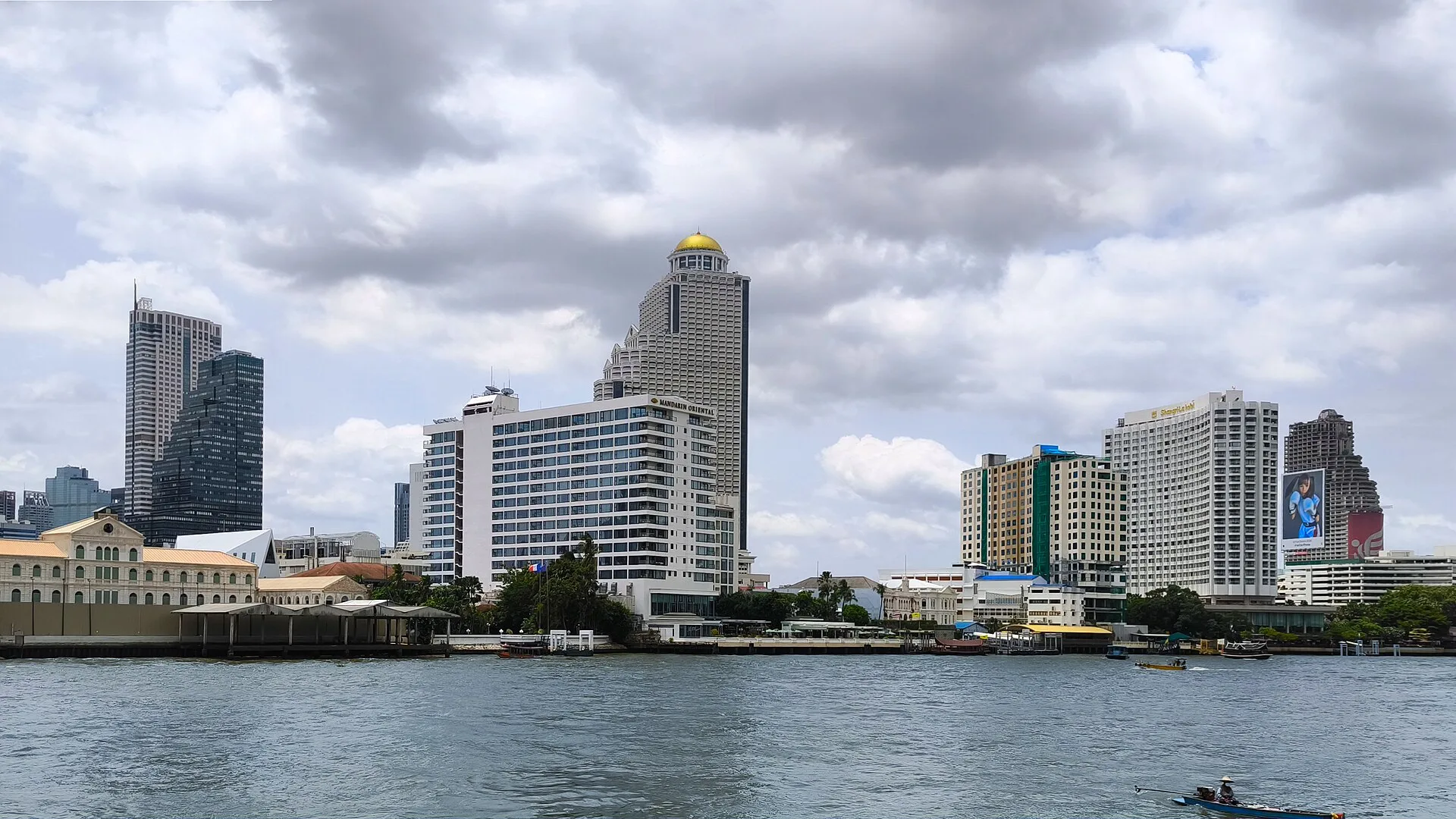
Bangkok is the first city most travelers see when arriving in Thailand, and that is a great place to start. This is where the adventure begins, where you will find the widest range of connections to other parts of the country, and where, in a single day, you can visit a golden temple, enjoy pad thai from a street vendor, and cruise through the canals of Thonburi in a traditional long-tail boat.
What to See in 1-3 Days
Bangkok offers dozens of attractions, but on your first visit, it is best to focus on a few highlights. Wat Phra Kaew and the Grand Palace are absolute must-sees – the sheer scale of the complex and its intricate decorations are breathtaking. Wat Pho, home to the Reclining Buddha, and Wat Arun across the river can easily fill one action-packed day.
Spend your second day exploring Chinatown (Yaowarat) and the Rot Fai Night Market. For your third day, consider the museum district on Rattanakosin Island or a relaxing cruise through the Thonburi canals, which reveals a completely different side of Bangkok from its bustling city center.
How to Explore Bangkok Without Rushing
Do not try to squeeze more than 2-3 attractions into a single day. Bangkok is enormous, and traveling between sights takes longer than the map might suggest. The smartest approach is to start early in the morning, when temperatures are lower and crowds are smaller, and plan your route along a single public transport line to avoid wasting hours in traffic.
If you would like to discover Bangkok with a knowledgeable local team, explore our private one-day Bangkok tours, featuring a licensed Thai guide and an English-speaking group coordinator.
Getting from the Airport and Around the City
From Suvarnabhumi Airport, you can reach central Bangkok by Airport Rail Link train in approximately 30 minutes for just a few dozen baht. During rush hour, this is considerably cheaper and faster than taking a taxi. For getting around the city, the most convenient options are the BTS Skytrain and MRT subway networks – both systems are affordable, air-conditioned, and easy to navigate even if you do not speak Thai.
What to Watch Out For and What to Wear at Temples
When entering temple grounds, you must cover your shoulders and knees. This applies to both men and women. At popular attractions, you can often borrow a scarf or covering near the entrance, but bringing your own is more convenient. Watch out for scammers around temples – if someone tells you an attraction is closed and offers you a tuk-tuk tour instead, it is a classic tourist scam that we explain in detail on our blog.
2. Ayutthaya
Ayutthaya is the former capital of Siam and one of those destinations that deserves a place on your itinerary when deciding what to see in Thailand. Ancient temple ruins, Buddha statues surrounded by tree roots, and the atmosphere of the historic city create an experience unlike anywhere else in the country.
The Most Important Ruins and Temples
The main highlights include Wat Mahathat, famous for its Buddha head entwined in banyan tree roots, Wat Phra Si Sanphet, with its three distinctive chedis, and riverside Wat Chaiwatthanaram, which looks particularly beautiful at sunset. Each temple has its own character, so it is worth setting aside enough time to visit all three.

Admission to each paid temple typically costs 50 baht, so keep some small change handy.
Exploring by Bicycle, Scooter, and Tuk-Tuk
Cycling is the most popular option and works well when the weather is manageable. You can rent a bicycle near the train station for around a dozen baht for the entire day. If you would rather avoid the heat and sweating, a scooter or tuk-tuk will get you around faster and make it easier to reach temples on the outskirts of the island without much effort.
Getting There from Bangkok and the Best Time to Visit
From Bangkok, you can reach Ayutthaya by train from Hua Lamphong or Bang Sue station in approximately 1.5 hours. It is a convenient and inexpensive option. Start sightseeing early in the morning, when temperatures are cooler and there are significantly fewer tourists.
How Much Time to Allow and How to Avoid the Crowds
One full day is enough to explore the main attractions at a comfortable pace. Crowds tend to peak between 10:00 AM and 3:00 PM, so head out before 8:00 AM, return to your hotel around midday, and venture out again in the evening to enjoy sunset by the river.
3. Kanchanaburi and Erawan National Park
Kanchanaburi is one of those destinations that does not appear nearly often enough on lists of must-see places in Thailand. Yet this region offers a combination of history, nature, and outdoor activities that you will not find in any of the popular southern beach resorts.
The Bridge over the River Kwai and Historic Sites
The Bridge over the River Kwai is an essential stop for anyone visiting Kanchanaburi. Built by Allied prisoners of war during World War II, it stands today as a symbol of those events. Near the bridge, you will find the CWGC War Cemetery, containing thousands of graves and ranking among the most moving historical sites in Thailand. Entry to the cemetery is free.
Erawan Waterfalls and Hiking Between the Levels
Erawan National Park is famous for its seven tiers of waterfalls with turquoise pools where you can swim. The lower levels are easier to reach and tend to be more crowded. If you prefer some peace and quiet, continue higher up – reaching levels 5, 6, and 7 requires approximately an hour of hiking, but rewards you with tranquility and better views.
Head to the waterfalls before 11:00 AM, as crowds grow considerably from midday onward and the water becomes less clear.
How to Get There and Where to Stay
From Bangkok, you can reach Kanchanaburi by bus from Mo Chit Bus Terminal in approximately 2-3 hours. You can also take the train, which is slower but offers scenic views along the way. Staying in a riverside bungalow is a popular choice here, and it is definitely worth spending at least one night so you do not have to rush through everything.
What to Pack for Hiking and Swimming
For a visit to Erawan, pack swimwear and a change of clothes, as you are almost certain to get wet near the waterfalls. Good shoes with grip for walking on slippery rocks are more important than flip-flops. Bringing snacks and water will also save you from paying inflated prices at the kiosk near the park entrance.
4. Chiang Mai
Chiang Mai is Thailand’s second major city and one of those destinations that appears on almost every list of must-see places in Thailand for good reason. Its moat-surrounded Old City, hundreds of temples within a few kilometers, bustling night markets, and mountains just beyond the city create an atmosphere unlike anything you will find in southern Thailand.
Temples and the Old City
The historic center is home to dozens of temples, but Wat Phra Singh and Wat Chedi Luang should be at the top of your list. Wat Chedi Luang is particularly impressive after dark, when the complex is illuminated and noticeably quieter than during the day. A walk through the Old City is best planned for a Saturday or Sunday evening, when the main streets transform into lively night markets filled with handicrafts and food stalls.
Doi Suthep and Scenic Viewpoints
Doi Suthep is a temple perched high on a mountain visible from across the city. You can climb around 300 steps or take the lift. The panoramic view of Chiang Mai from the terrace makes the effort worthwhile, especially in the morning before the city becomes hazy with exhaust fumes.
Visit Doi Suthep before 8:00 AM to have the viewing terrace almost entirely to yourself.
Night Bazaars and Street Food
Warorot Market is open daily and offers local food, spices, and textiles at prices far below those found in tourist-oriented shops. In the evenings, Nimman Road attracts crowds of younger travelers with its bars and fusion restaurants. Both areas are worth exploring on different days.
Day Trips and Ethical Animal Encounters
The area around Chiang Mai offers trekking trips to hill tribe villages and kayaking excursions on the Mae Ping River. If you are interested in seeing elephants, choose only sanctuaries where the animals can roam freely and are not forced to carry visitors.
5. Pai
Pai is a small mountain town in northern Thailand, about three hours by road from Chiang Mai. If you are looking for places to visit in Thailand away from crowded resorts, Pai is an excellent choice. Its laid-back atmosphere, views of rice fields and rolling hills, along with a wide range of outdoor activities, attract both backpackers and couples seeking a peaceful getaway.
Best Views and Sunset Spots
Pai Canyon features dramatic rock formations and narrow trails along steep drop-offs, offering sweeping views across the valley. Entry is free, and the best time to visit is about an hour before sunset, when the light softens and the crowds are still relatively small. Yun Lai Viewpoint is another worthwhile stop, especially early in the morning when mist blankets the valley.
Hot Springs and Waterfalls
Tha Pai Hot Springs are located a few kilometers from the town center and offer natural pools of warm water, with admission costing a few dozen baht. Mo Paeng Waterfall is easily accessible by scooter and makes a great short stop between other attractions.
Visit the hot springs before 9:00 AM to enjoy them with almost no one else around.
Getting There from Chiang Mai and the Famous Winding Road
The road from Chiang Mai to Pai features 762 curves and takes approximately three hours by minibus through mountain passes. If you are prone to motion sickness, take medication before departure and try to sit near the front of the vehicle.
How Many Days to Stay and Who Will Enjoy Pai
Two full days are enough to see the main attractions and explore the surrounding countryside by scooter. Pai is ideal for travelers seeking peace, quiet, and a connection with nature, but it is less suitable for those who prefer a packed itinerary of temple visits and intensive sightseeing.
6. Chiang Rai and the White Temple
Chiang Rai is a city in the far north of Thailand, close to the borders with Myanmar and Laos. Many travelers come here solely to visit the famous White Temple, but the region offers many more attractions within a relatively compact area, making it easy to fill an entire day without rushing.
The White Temple and How to Visit
Wat Rong Khun, commonly known as the White Temple, is one of the most recognizable landmarks in Thailand. Designed by Thai artist Chalermchai Kositpipat, the building is covered in white plaster and tiny pieces of mirrored glass that create a dazzling effect in the sunlight. Entry to the interior is free, but queues can be long. Arrive before 9:00 AM to avoid waiting.

Photography inside the temple is prohibited, so focus on the exterior details, which are the most impressive features anyway.
The Blue Temple and Black House Museum
Wat Rong Suea Ten, also known as the Blue Temple, is located a few kilometers from the city center and offers a completely different atmosphere from its white counterpart. The interior is open to visitors and is particularly photogenic. A third attraction worth visiting is the Baandam Museum, also known as the Black House Museum, a collection of dark sculptures and art installations set within a garden.
Day trip from Chiang Mai or an overnight stay?
Chiang Rai is about a three-hour drive from Chiang Mai by bus or minibus. A day trip is possible, but it requires an early departure before 6 a.m.
How to plan your route without spending all day in a vehicle
When deciding what to see in Thailand in this region, book an overnight stay in Chiang Rai and plan your route in this order: White Temple in the morning, Blue Temple before noon, and Black House Museum in the afternoon. This itinerary minimizes time spent in taxis and allows you to explore everything at a relaxed pace.
7. Khao Sok National Park
Khao Sok is home to one of the oldest rainforests in the world and is often overlooked by travelers who focus exclusively on Thailand’s beaches. If you’re planning what to see in Thailand away from crowded resorts, this national park deserves a place near the top of your list. The combination of jungle, lake scenery, and overnight stays on the water creates an experience unlike anything else in Thailand.
Cheow Lan Lake and a night in floating bungalows
Cheow Lan Lake was created following the construction of a dam in the 1980s. Today, it is surrounded by steep, forest-covered limestone cliffs reflected in its green waters. Spending a night in wooden floating bungalows on the lake is one of the most unusual accommodation experiences in the country. Book well in advance, as availability is limited and demand is high.

Choose an overnight stay on the lake rather than a day trip, as the views at sunrise are far more spectacular than those in the middle of the day.
Jungle, caves, and short treks
The park offers several trekking trails of varying difficulty, winding through ancient rainforest filled with exotic plants and birds. Tham Nam Cave and Tham Si Ru Cave can be visited with a guide and do not require any special equipment.
How to get there from Phuket, Krabi, and Surat Thani
From Phuket and Krabi, you can reach the park by minibus in approximately 2-3 hours. The journey from Surat Thani takes about an hour and a half. Khao Sok is centrally located between these destinations, making it an excellent stopover when traveling between southern Thailand and the islands.
Best time to visit, weather, and realistic chances of spotting wildlife
The best time to visit is December through April, when rainfall is lower and the trails are drier. Monkeys, gibbons, and wild boars regularly appear near the lake in the morning, but spotting an elephant or leopard is possible, though rare.
8. Krabi and Ao Nang
Krabi is a province in southern Thailand that combines limestone cliffs, turquoise bays, and access to dozens of islands within a few hours by boat. Ao Nang is the region’s main tourist hub and one of those places that, when planning what to see in Thailand, is best treated not as a destination in itself but as a starting point for exploring the entire coastline.
Best beaches and viewpoints
Ao Nang Beach is convenient and well connected, but Tubkaek Beach and Nopparat Thara offer a level of tranquility that’s hard to find in the center of town. Reaching the viewpoint at Tiger Cave Temple requires climbing 1,237 steps, but the panoramic views over the bay from the top make every step worthwhile.
Boat trips to islands and lagoons
From Ao Nang Beach, longtail boats depart for Railay, Poda Island, and the Four Islands. Day trips usually include several islands, with stops for snorkeling and lunch. Book your excursion directly on the beach to avoid paying extra through hotel intermediaries.
Avoid boat trips departing after 10 a.m., as the beaches are already crowded by midday and the water becomes less clear.
Getting around the region without a car
Longtail boats and tuk-tuks serve most routes between attractions. Regular songthaews, shared passenger vehicles, operate between Ao Nang and Krabi Town, carrying around a dozen passengers for a few dozen baht and departing once they fill up.
Where to stay for peace and convenient transport
The Tubkaek area offers peaceful evenings while keeping Ao Nang within easy reach. If you prefer to stay close to the boats and restaurants, choose accommodation in Ao Nang itself, ideally on streets away from the main beachfront promenade.
9. Railay
Railay is a peninsula accessible only by boat, separated from the mainland by towering rocky cliffs. It’s one of those destinations that immediately makes the list when deciding what to see in Thailand, often after seeing just one photograph. The absence of cars and scooters gives Railay a completely different atmosphere from most Thai beach resorts.
Beaches and lagoons that will take your breath away
Railay has several distinct beaches within easy walking distance of one another. Railay West is the most convenient for swimming and is also where boats depart. Railay East is shallow and muddy at low tide, but a forest trail leads from here toward the lagoon and Phranang Cave Beach, which many travelers consider the most beautiful spot in the entire Krabi region.

Access to the lagoon is free, but the forest trail takes approximately 20 minutes and requires sturdy footwear because the rocks are slippery.
Rock climbing and beginner-friendly routes
Railay is one of Southeast Asia’s most popular rock-climbing destinations. Several climbing schools offer lessons for complete beginners, with routes running along limestone walls overlooking the sea. A basic course takes a few hours and costs between 800 and 1200 baht, depending on the school.
How to get there and what to expect
You can reach Railay by longtail boat from Ao Nang Beach in about 15 minutes. Boats operate regularly from morning until evening and carry anywhere from a few to a dozen or more passengers. Bring enough cash before leaving, as there are no ATMs on the peninsula.
Best time of day for photos and peaceful walks
Early morning, before 8 a.m., is by far the best time for both photography and leisurely walks along the beaches. Most day-trippers arrive on excursion boats between 10 a.m. and 2 p.m., so the first few hours of the day are mostly enjoyed by visitors staying overnight.
10. Phi Phi Islands
The Phi Phi Islands are among the most iconic sights in Southeast Asia and appear on almost every traveler’s list when planning what to see in Thailand. Koh Phi Phi Don and Koh Phi Phi Leh are two separate islands with completely different characters, both accessible by boat from Phuket or Krabi.
Maya Bay and entry rules
Maya Bay on Phi Phi Leh became famous after the film "The Beach" and attracted hundreds of boats every day for years. Since 2022, a ticketing system with limited visitor numbers has been in place, and swimming near the shore is prohibited in designated coral areas. Tickets cost 400 baht, and it’s worth buying them in advance.
Buy your Maya Bay tickets before leaving your hotel, as the daily allocation can sell out faster than you might expect.
Viewpoints and the best bays
On Phi Phi Don, it’s worth climbing to Phi Phi Viewpoint, where you can see both islands at the same time. The climb takes about 20 minutes along a steep path and is free of charge.
Loh Dalum Bay on the western side of the island is peaceful in the early morning, but from midday onward it fills with longtail boats and visitors arriving on day trips.
How to choose a boat tour and avoid mass tourism
Choose small-group boat tours with no more than 8-10 people instead of large excursion speedboats packed with dozens of passengers.
A private boat costs more, but gives you control over the schedule and the order in which you visit each location, making a huge difference when exploring Maya Bay and choosing quieter bays.
Where to stay and whether an overnight visit is worthwhile
Staying overnight on Phi Phi Don is definitely worthwhile. The island becomes noticeably quieter in the evenings as the crowds of day-trippers return to Phuket, creating an atmosphere you simply won’t experience on a day trip.
Stay for at least two nights to explore both islands at a relaxed pace and watch the sunrise from the viewpoint before the excursion boats begin arriving.
11. Phuket
Phuket is Thailand’s largest island and almost automatically appears on any itinerary covering what to see in Thailand. Patong has a reputation as a loud, crowded resort, but the rest of the island offers a completely different atmosphere if you know where to look.
What to see beyond Patong
Phuket Old Town, also known as Phuket Town, is a neighborhood filled with colorful Sino-Portuguese shophouses, good cafes, and a local weekend market. The Big Buddha on top of Nakkerd Hill is visible from much of the island and offers panoramic views best enjoyed in the morning, before the sun gets too high.
Beaches for a more peaceful getaway
Kata Noi and Kamala Beach are two places where the crowds are noticeably smaller than in Patong. Kata Noi is a small bay with clear water and fewer beach stalls, ideal for spending a few hours swimming without the hustle and bustle.
Avoid the main beaches at midday, when the sun is at its strongest and the crowds are at their largest.
Day trips from Phuket and practical bases for exploring
From Phuket, the easiest places to visit are the Phi Phi Islands, Koh Racha, and Phang Nga Bay, famous for its limestone formations. Phuket also makes a convenient base for visiting Krabi, which is approximately 90 minutes away by ferry or bus.
How to avoid overpaying and manage local transport
Grab and local taxis are considerably more expensive here than in Bangkok, so it’s worth negotiating the fare before getting into a vehicle. Renting a scooter for a few days is a cheaper alternative that gives you the freedom to travel between beaches without relying on expensive transfers.
12. Koh Samui
Koh Samui is Thailand’s second-largest island and another destination that regularly appears alongside Phuket and Krabi when planning what to see in Thailand. The island offers wide beaches, well-developed tourist infrastructure, and convenient flight connections, making it suitable for both families with children and couples looking for a more relaxing getaway.
Best beaches and places for first-time visitors
Chaweng Beach is the longest and best connected, but it can get noisy in the evenings. A quieter alternative is Lamai Beach on the island’s eastern coast, with fewer bars and clearer water near the rocks.
Temples, waterfalls, and viewpoints
Koh Samui has several attractions beyond its beaches. The Big Buddha at Wat Phra Yai, at the northern end of the island, is visible from a distance and worth a short stop. Na Muang Waterfall is located in the central part of the island and surrounded by forest, so the temperature near the cascading water is noticeably cooler than on the beach.
Visit Na Muang before 10 a.m., when the water is at its clearest and there are very few tourists around.
Getting around the island and where to stay
Renting a scooter is the most convenient transport option, as public transportation on Koh Samui is limited. Taxis and Grab are available, but expensive. Staying in the Bophut area on the island’s northern coast combines a peaceful atmosphere with easy access to the Fisherman’s Village night market.
When to Visit for the Best Weather
Koh Samui has a different rainy season pattern from the rest of southern Thailand. The best weather generally lasts from January to May, while Phuket and Krabi experience their peak season slightly earlier.
13. Koh Tao
Koh Tao is a small island in the Gulf of Thailand that stands out among the best places to visit in Thailand, especially for travelers interested in scuba diving and snorkeling. The waters surrounding the island are among the clearest in Thailand, and its diving facilities are exceptionally well developed for such a small island.
Snorkeling and Scuba Diving for Beginners
Koh Tao is one of the most affordable and best-equipped places in the world to earn a PADI Open Water certification. The course takes 3-4 days and costs between 9000 and 12000 baht, depending on the diving school. If you are not interested in getting certified, all you need is a mask and fins, as the coral reefs at Shark Bay and Aow Leuk can be reached directly from shore without any specialized equipment.
Book your diving course at least 2 days in advance, as popular diving schools have limited spaces and fill up quickly.
Viewpoints and Bays by Scooter
The best panoramic views of the island are from John Suwan Viewpoint in the south, where you can see both sides of Koh Tao at once. Getting there by scooter takes around 15-20 minutes from the center, followed by a short uphill walk.
How to Get There and Plan Your Stay
You can reach Koh Tao by ferry from Koh Samui in approximately 2 hours or from Surat Thani in around 6 hours by overnight catamaran. Three full days are enough to complete a diving course and explore the island’s main bays at a relaxed pace by scooter.
Scooter and Water Safety
Roads on Koh Tao are narrow and steep, so renting a scooter is recommended only if you have previous riding experience. Before entering the water, always check forecasts for ocean currents, as snorkeling outside sheltered bays can be dangerous under certain wind conditions.
14. Koh Lipe
Koh Lipe is a small island in southern Thailand, close to the Malaysian border, and one of the best places to visit in Thailand to consider as the final stop on your itinerary. The island is quieter than Phuket or Koh Samui and offers some of the clearest waters in the country.
Sunrise Beach, Sunset Beach and Pattaya Beach
Koh Lipe has three main beaches, each with its own character. Sunrise Beach on the eastern coast is the most peaceful and best suited for snorkeling near the shore. Sunset Beach on the western side attracts visitors at dusk, although the water can become shallow at low tide. Pattaya Beach in the center is the island’s main beach, lined with restaurants and water sports equipment rental shops.
Shore Snorkeling and Island-Hopping Trips
The coral reef at Sunrise Beach is accessible without a boat, so bringing your own mask is a good idea, as beach rental shops tend to charge inflated prices. Trips to the nearby islands in Tarutao National Park cost between 600 and 900 baht and include several snorkeling spots with exceptionally clear water.
Bring your own mask and fins from Bangkok, as rental equipment on the island is often worn out and expensive.
How to Get There and How Long It Really Takes
You can reach Koh Lipe by speedboat from Pakbara Pier on the Thai mainland in approximately 90 minutes or by ferry from Langkawi in Malaysia in about an hour. Traveling from Bangkok takes an entire day, so it is worth planning an overnight stop along the way in Hat Yai or Trang.
How Many Days to Stay and How to Avoid Disappointment
Three to four days is the ideal amount of time to spend on Koh Lipe. The island is very small, and you can visit all its main beaches in a single day. Travelers expecting a lively nightlife scene may be disappointed, as the choice of restaurants and evening activities is noticeably more limited than on larger islands.

Final Thoughts
Thailand is a country where the sheer number of possibilities can feel overwhelming on your first visit. The list of best places to visit in Thailand is long, but you do not have to see everything in one trip. The fourteen destinations featured in this article provide an excellent starting point for your first visit, allowing you to choose the places that best match your interests and preferred travel pace.
If you would rather spend your time exploring than organizing logistics, and want someone on the ground with firsthand knowledge of these regions, take a look at our tours. We have been operating in Thailand since 2019, offering private VIP tours for groups of 4 to 20 people, accompanied by a licensed Thai guide and an English-speaking group coordinator, with itineraries tailored to your specific interests. You can explore all our available experiences through AsiaTrip’s Thailand tours. Contact us on WhatsApp if you have any questions about planning your itinerary.
For another day of your trip, consider visiting Damnoen Saduak and Maeklong on a single-day excursion.
Related: Flights to Thailand: How to Find Cheap Tickets.
Related: 6 Ideas for Affordable Day Trips from.
Related: Thailand Map: Regions, Cities, Islands and Main.
Related: Phuket, Thailand: Practical Guide, Weather and Attractions.
Related: Phi Phi Islands: Attractions, Getting There and Prices.
Related: Chiang Mai: 15 Attractions and a 3-Day Itinerary.
Related: Thailand Travel: How to Plan Your Trip and When to Go.
Related: What to See in Phuket? A Complete Guide to.
Related: Phuket vs. Krabi: Which Destination Is Better?.
No comments