

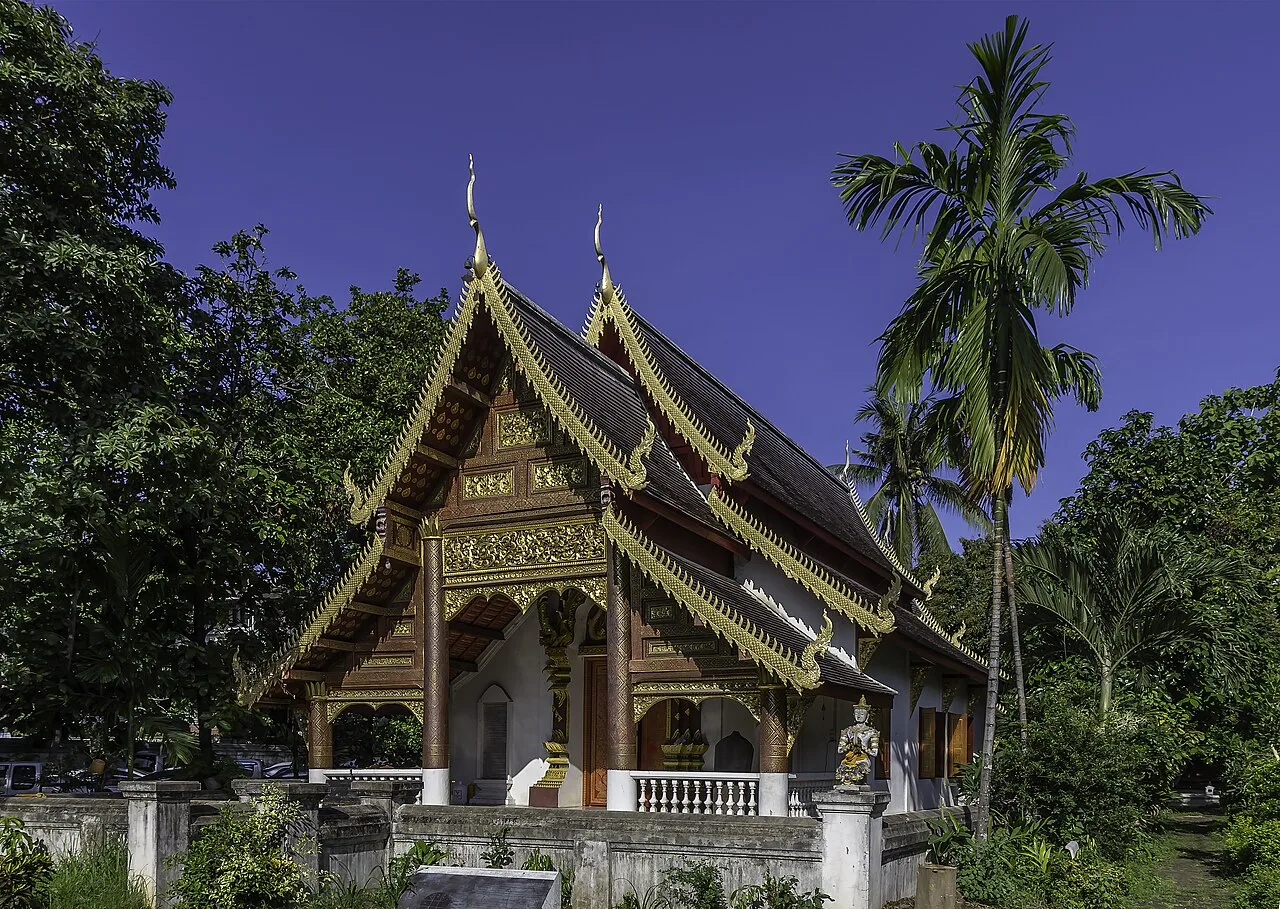
Chiang Mai combines the historic lanes and temples of the Old City with mountain scenery, markets and northern Thai food. The city rewards a slower visit, especially when the route leaves enough time for temple etiquette, traffic and changing mountain weather.
This guide focuses on practical route planning. Opening hours, admission rules, activity standards and supplier terms can change, so confirm time-sensitive details with the attraction, responsible authority or named provider before travelling.
The sections below cover 15 attractions in Chiang Mai and the surrounding area, followed by a practical three-day itinerary. Use the suggested order as a starting point and adjust it to the season, opening hours, mobility needs and the time available to your group.
1. Private itinerary planning
Travellers who prefer not to coordinate every transfer and stop themselves can request a private itinerary. AsiaTrip’s English-language model is one closed group of 4 to 20 guests, without combining unrelated customers. The exact route, transport and any guide service must be confirmed in the individual quote.
What’s included and what the day is like
A practical private route can link several compatible attractions while allowing for traffic, meal breaks and appropriate conduct at religious sites. The confirmed itinerary should state which stops, admissions and services are included rather than leaving them to assumption.
Who this option works best for
This format works best for families and private closed groups of 4 to 20 guests who value comfort and the reassurance of not missing important details. It also suits people visiting Thailand for the first time who don’t want to spend time checking conflicting information online.
How much time to allow
A city route may take half a day or a full day, while mountain attractions need additional travel time. Two or three days give most visitors a more comfortable balance between the Old City, Doi Suthep and one longer excursion. Any guide service is provided only when it is listed in the confirmed arrangement.
Costs and what’s usually included
AsiaTrip does not publish a fixed price list for the English offer. Each private itinerary is quoted individually in THB for the confirmed group and scope. The quote must identify whether transport, admission tickets, meals, guide service and other logistics are included.
Before confirming, read the included and excluded items and ask about anything that is not explicit in the quote.
How to book and what to discuss beforehand
To start a booking, get in touch via WhatsApp or the contact form. You can find a ready-made itinerary for northern Thailand in the four-day tour from Chiang Mai. Before setting off, share your preferences, including your activity level, interests and preferred times. The more we know in advance, the better the day’s itinerary can be tailored to you.
How to fit it into a 3-day itinerary
Many first-time visitors start with the Old City and keep a separate day for mountain attractions. This reduces backtracking and makes it easier to adjust the second or third day after seeing the weather and local conditions.
Tips to avoid disappointment
Book at least a few days in advance, especially between November and February, the peak season. Groups are small, and places fill up quickly.
2. The Old City and its walls and gates
The Chiang Mai Old City is a square about 1.5 km on each side, partly surrounded by preserved walls and a moat. Walking along the walls and through the historic gates is a good starting point for understanding the city’s layout and history.

What you’ll see and why it’s worth a visit
At the corners and along the walls, you’ll find four main gates: Tha Phae, Chang Puak, Suan Dok and Chiang Mai. The moat and sections of the walls give a coherent picture of the city’s former defences, while more than 30 temples are concentrated within the square.
The best walking route and stops along the way
Start at Tha Phae Gate on the east side and head towards the centre and Wat Chedi Luang. You’ll pass temples and quiet lanes along the way. Ratchaphakhinai Road, along the inside of the walls, is a quieter alternative to the busy main roads.
How much time to allow
2 to 3 hours is enough for a basic walk. If you’re going into temples and exploring side streets, allow half a day.
Costs and what’s free
Walking along the walls and moat is free. Admission fees apply at individual temples within the Old City.
Most temples require you to cover your shoulders and knees, so bring a scarf or light jacket.
Getting there and getting around
You can take a red songthaew from the centre for a few dozen baht. Once there, the easiest way to get around is on foot or by bicycle, which you can rent near Tha Phae Gate.
How to fit it into a 3-day itinerary
The Old City is a natural choice for your first day. A morning walk, before the midday heat, gives you time to explore the gates and visit a few temples at a relaxed pace.
Tips to avoid disappointment
Avoid heading out between 11:00 and 15:00, the hottest part of the day. The best photos of the walls and moat are taken in the morning, when the light is soft and there are fewer crowds.
3. Wat Phra Singh
Wat Phra Singh is the most important temple in Chiang Mai’s Old City and one of the finest examples of Lanna architecture in Thailand. It stands at the western end of Ratchadamnoen Road, a few minutes’ walk from Tha Phae Gate.
What you’ll see and why it’s worth a visit
The jewel of the complex is the 14th-century Viharn Lai Kham chapel, home to the famous Phra Singh Buddha image. The chapel walls are covered with gilding and murals depicting life in the old Lanna Kingdom. Take a close look, as the details are impressive.
The best time of day to visit
Come before 9:00 or after 16:00, when there are fewer crowds and the heat is more bearable. The middle of the day is the worst time: organised tour groups fill the courtyard, and the heat in the open areas can be uncomfortable.
In the morning, you may see monks praying. Keep quiet and don’t film them without their permission.
How much time to allow
45 to 60 minutes is enough to explore the whole complex at a relaxed pace. If you’re also visiting nearby Wat Chedi Luang, allow about 2 hours in total.
Admission and entry requirements
Admission fees and access rules can change. Check the current information at the entrance or through the temple’s official contact before visiting. Wear clothing that covers shoulders and knees rather than assuming that a cover-up will be available to borrow.
Getting there and avoiding the queues
The temple is in the centre of the Old City, so you can walk there from most places nearby. The main entrance is on Ratchadamnoen Road, but use the side gate on the west to avoid the queue at the ticket counter.
How to fit it into a 3-day itinerary
It’s best to visit Wat Phra Singh on your first day, together with Wat Chedi Luang and Wat Chiang Man. All three temples are in the Old City and make up a logical morning route without unnecessary travel.
Tips to avoid disappointment
Choose clothing that covers shoulders and knees for a full day of temple visits. Carry some cash in small denominations because payment methods and change availability vary between sites.
4. Wat Chedi Luang
Wat Chedi Luang is the largest historic temple in the Old City and one of Chiang Mai’s most recognisable sights. The main chedi was built in the 15th century and originally stood about 90 metres tall, before an earthquake in the 16th century destroyed its top. What you see today is an impressive ruin, in part because it has not been heavily restored.
What you’ll see and why it’s worth a visit
The centrepiece is a massive brick chedi with a truncated top, partly covered in greenery. Four elephant statues stand at its base, and the niches on its sides contain replicas of the Emerald Buddha. The famous original was kept here for several decades before being moved to Bangkok.
What to look out for in the complex
Besides the main chedi, you’ll find active monasteries and a viharn where monks are ready to talk with visitors. It’s one of the few complexes where you can talk with a monk in English during designated afternoon hours.
How much time to allow
45 to 60 minutes is enough to explore the complex at a relaxed pace. If you stay to talk with a monk, allow an extra 30 minutes in your day’s itinerary.
Admission and entry requirements
Check the current admission fee and opening arrangements before visiting. Shoulders and knees should be covered, and a loan garment should not be assumed to be available.
Enter through the side gate on Phra Pokklao Road to avoid the biggest crowds at the ticket counters.
Getting there and combining it with nearby sights
The temple is a few minutes’ walk from Wat Phra Singh, so it makes sense to visit both. A red songthaew can take you to the Old City for a few dozen baht from most places in the centre.
How to fit it into a 3-day itinerary
Wat Chedi Luang is the second stop on your first-day route, just after Wat Phra Singh. The two temples can easily fill a relaxed morning.
Tips to avoid disappointment
An early visit is often cooler and quieter, but opening times and ceremonies can affect access. Carry small banknotes for admission and donations where these are accepted.
5. Wat Chiang Man
Wat Chiang Man is the oldest temple in Chiang Mai. It was built in the 13th century by King Mengrai as the first religious building in the newly founded city. If you’re looking for a place with a truly deep connection to the region’s history, you’ll find it here.
What you’ll see and why it’s worth a visit
The complex houses two precious Buddha images: Phra Sila, a stone bas-relief said to have been brought from India or Ceylon, and Phra Sae Tang Khamani, made of crystal. Both are kept in a closed chapel that opens only a few times a day. Also look out for Chang Lom Chedi, a tower surrounded by elephant statues at its base.
How to see the temple quickly or in more detail
If you’re short on time, it’s enough to walk around the courtyard and look inside the main viharn. If you have more time, wait for the chapel containing the Buddha images to open. The quieter atmosphere sets this temple apart from the busier Wat Phra Singh.
How much time to allow
30 to 40 minutes is enough for a quick visit. If you plan to wait for the chapel with the precious images to open, allow an hour, with some extra time.
Admission and entry requirements
Confirm the current admission policy at the temple. Standard respectful dress applies, with shoulders and knees covered.
The chapel containing the Buddha images opens only a few times a day, so check the opening hours with staff at the entrance.
Getting there and what to combine it with
The temple is in the northern part of the Old City, near Chang Puak Gate. It’s about a 10-minute walk from Wat Chedi Luang.
How to fit it into a 3-day itinerary
Wat Chiang Man is the third temple on your first-day route, after Wat Phra Singh and Wat Chedi Luang. All three are in the Old City and form a logical loop for the morning without unnecessary travel.
Tips to avoid disappointment
Come early in the morning, as this temple features less often on organised tour itineraries and is often quieter than others in the area. Bring small banknotes for admission.
6. Wat Phra That Doi Suthep
Wat Phra That Doi Suthep is the most famous temple near Chiang Mai and one of those views that really stays with you. It stands on the slope of Doi Suthep mountain, about 15 kilometres from the city centre, at an elevation of nearly 1,080 metres above sea level.

What you’ll see and why it’s worth a visit
The temple courtyard offers panoramic views across Chiang Mai and the surrounding plains. The central golden chedi, decorated with colourful umbrellas and bells, is surrounded by shrines and statues. The bas-reliefs and gilding on the walls are impressive even in the middle of the day, but look their best in the morning light.
How to plan your visit, transport and views
An early visit can offer cooler conditions and clearer views. The upper terrace is reached by a long naga staircase, and an alternative lift service may be available for an additional fee. Confirm access arrangements on the day if stairs are a concern.
The best panoramic view of the city is from the corner of the courtyard to the right of the entrance to the chedi.
How much time to allow
Allow 1.5 to 2 hours on site for a relaxed visit. Add travel time from the city.
Admission and entry requirements
Check the current admission fee and access rules before travelling up the mountain. Dress respectfully with shoulders and knees covered.
Getting there from Chiang Mai
A songthaew from Tha Phae Gate will take you to the temple for around 40-60 baht per person. You can also hire a tuk-tuk or taxi for the whole trip.
How to fit it into a 3-day itinerary
Doi Suthep is best planned for day two, as the main morning activity.
Tips to avoid disappointment
Avoid weekends, when local pilgrims and tourists create long queues at the ticket counters and on the steps.
7. Wat Pha Lat trail
The trail to Wat Pha Lat is one of those places around Chiang Mai that most tourists skip in favour of better-known attractions. That is a mistake, because this forest route and hidden temple offer an atmosphere you will not find in any crowded part of the Old City.
What you will see and why it is worth a visit
Wat Pha Lat is a medieval jungle temple, partly reclaimed by trees and moss. The whole trail runs through rainforest alongside a stream, with several small waterfalls along the way. Instead of crowds and a ticket clerk at the entrance, you will find quiet, broken only by the sound of water and birds.
How to walk the route step by step
The trail starts at the Monk’s Trail at the foot of Doi Suthep mountain. Follow the forest path for about 3.5 km uphill, passing streams, and after an hour you will reach the temple grounds. From there, you can continue all the way to Wat Phra That Doi Suthep.
Combine the trail with a visit to Doi Suthep so you do not have to retrace your steps downhill.
How much time to allow
Allow 60-80 minutes for a leisurely walk one way. If you are combining the route with Doi Suthep, set aside at least half a day for the whole outing.
Costs and what to bring
Access to the trail and temple is free. Bring shoes with good grip, at least half a litre of water, and a light raincoat in case of rain.
How to get to the trailhead
A songthaew or tuk-tuk will take you from Tha Phae Gate to the trailhead for around 40-50 baht per person. Tell the driver: "Monk’s Trail".
How to fit it into a 3-day itinerary
The trail is best planned for day two, combined with a visit to Doi Suthep as one connected mountain outing in the morning.
Tips to avoid disappointment
Set off before 8:00 am, as it gets hot and humid in the afternoon, even in the shade of the forest. After rain, the path can be slippery, so proper footwear is essential.
8. Night Bazaar
The Night Bazaar in Chiang Mai is one of the largest and best-known night markets in Thailand. It stretches along Chang Khlan Road and attracts both tourists looking for souvenirs and locals stopping by for dinner.

What to eat and buy there
At the stalls, you will find clothing, handicrafts, jewellery and local fabrics. The food section offers grilled meats, pad thai, mango with sticky rice, and local drinks. Some stalls specialise exclusively in products from northern Thailand that are not available in Bangkok’s shopping malls.
How to choose stalls and avoid overpaying
Compare prices at several stalls selling the same item before you buy. Stalls by the main entrance are usually more expensive because they target tourists. The inner lanes often offer the same things at lower prices.
How much time to allow
2 to 3 hours is enough for a leisurely walk around the whole market and dinner. The market is open from around 6:00 pm to 11:00 pm.
Costs, payments and bargaining
Most stalls accept cash in baht only. Bargaining is customary when buying clothes and souvenirs, but not at food stalls. Bring small-denomination notes, as sellers rarely have change for a 1,000-baht note.
Do not bargain too aggressively over small purchases. A few baht may be symbolic to you, but it matters to the seller.
How to get there and back without stress
A songthaew or tuk-tuk will take you to Chang Khlan Road from most places in the city centre for a few dozen baht. When you are ready to leave, catch a songthaew on the main road, rather than going into the side lanes to look for a cheaper option.
How to fit it into a 3-day itinerary
The Night Bazaar works well for the evening of day one or two, after a full day of temple visits or a mountain trip.
Tips to avoid disappointment
Keep an eye on your wallet and phone in the crowds near the entrances. Arrive before 8:00 pm, as it gets uncomfortably crowded after that.
9. Sunday market on Ratchadamnoen
The Sunday market on Ratchadamnoen Road in Chiang Mai is very different from the Night Bazaar. Instead of permanent stalls and pushy sellers, you will find local craftspeople, artists and food producers setting up along the Old City’s main street every Sunday.
What you will see and why it is worth a visit
The market mainly attracts Chiang Mai residents, rather than organised tour groups. The stalls sell handmade items you will not find in a shopping mall:
- Lanna-style ceramics and silverware
- Handwoven fabrics and patterned scarves
- Local snacks and northern Thai dishes
How to plan your route and food breaks
The market stretches along several hundred metres of road, so walk the whole route from end to end first, then turn back to shop. Stop at the food stalls halfway along before the crowds become unbearable.
The road closes to traffic from around 4:00 pm, so arrive early and watch the market being set up.
How much time to allow
Allow 2 to 3 hours for a leisurely walk and dinner. The market is open from around 5:00 pm to 10:00 pm on Sundays only.
Costs, payments and bargaining
Payment is cash in baht only. You can bargain for 10-20% off handicrafts, but do not try this at food stalls.
How to get there and where to enter to avoid the crowds
Enter from Tha Phae Gate at the eastern end of the road, rather than from the centre of the Old City. A songthaew will take you there from most places in the city centre for a few dozen baht.
How to fit it into a 3-day itinerary
This market is open on Sundays only, so check the dates before your trip. If your stay includes a Sunday, plan to visit on the evening of one of your days as a natural alternative to the Night Bazaar.
Tips to avoid disappointment
Arrive before 6:00 pm, as later the road gets so crowded that it is hard to browse the stalls comfortably. Bring small-denomination notes and comfortable shoes for the paved surface.
10. Warorot Market and Chinatown
Warorot Market is the largest local market in Chiang Mai. It is open around the clock, not just in the evenings for tourists. It adjoins the Chinatown district, which has retained its own pace and character, far removed from the typical attractions featured in tourist brochures.
What to buy and try
At Warorot, you will find cheap textiles, dried fruit, spices and local sweets at prices you will not see on the main streets. Be sure to try khanom jeen, rice noodles with curry served by local vendors from early morning.
How to explore and see local Chiang Mai
Start on the ground floor, where food is sold, then go upstairs to the clothing and fabrics. From there, walk along Wichayanon Road into Chinatown, where you will find temples, tea shops and traditional medicine stores.
Do not limit yourself to the market hall, as the most interesting places are hidden in the lanes behind it.
How much time to allow
60-90 minutes is enough for the market itself. If you include a walk through Chinatown, allow two hours in total.
Costs and best buys
Prices are considerably lower than at the Night Bazaar. Spices, tea and packaged sweets make the best-value gifts.
How to get there and back
A songthaew will take you from the city centre for a few dozen baht. Get off by the Ping River and enter from the eastern gate.
How to fit it into a 3-day itinerary
Warorot works well on the morning of day three, before it gets hot.
Tips to avoid disappointment
Arrive before 10:00 am, as queues at the food stalls grow quickly. Bring cash in baht only.
11. Nong Buak Haad Park
Nong Buak Haad Park is in the south-west corner of the Old City in Chiang Mai. It is one of the few green spaces in the centre where you can sit and relax without having to pay for a coffee or admission.
What to do in the park and when to visit
The park has fountains, benches under the trees and a peaceful atmosphere, away from the noise of the streets. It is best to visit early in the morning or after 5:00 pm, when locals come out for walks and exercise and the temperature drops to a more comfortable level.
How to combine the park with nearby attractions
The park is right next to Suan Dok Gate, and Wat Suan Dok, one of the less crowded temples in the city, is nearby. Combine your visit with a short walk to the temple so you do not have to make a separate return trip.
In the evening, small food stalls near the park serve mainly local residents, not tourists.
How much time to allow
30-45 minutes is enough to relax in the park. It is an ideal place for a short break between temple visits.
Costs and facilities
Admission to the park is completely free. There are public toilets and benches in the shade of the trees.
How to get there
A songthaew will take you from the city centre for a few dozen baht. Tell the driver: "Nong Buak Haad Park".
How to fit it into a 3-day itinerary
The park works well for a short rest on day one, after a morning temple walk and before moving on to the next stops.
Tips to avoid disappointment
Do not plan to stay for long at midday, as there is not enough shade in strong sunlight. Bring bottled water, as nearby shops are a few minutes’ walk from the park.
12. Thai massage
Chiang Mai has a wide range of massage businesses, from established schools and spas to small neighbourhood shops. Service standards, staff training and hygiene vary, so choose the provider rather than relying only on price or street appearance.
What a massage in Chiang Mai is like and what options are available
Thai massage differs from its European counterparts: the therapist works with their whole body, stretching you, applying pressure to points and guiding you through sequences resembling passive yoga. Options include a traditional Thai massage, an aromatherapy oil massage, or a foot massage, which usually lasts 30 to 60 minutes.
How to choose a place and the right level of pressure
Look for a clear service list, transparent prices and clean treatment areas. Explain any injury, pregnancy, health condition or pressure preference before the session. If you are unsure whether massage is suitable for you, seek medical advice first.
How much time to allow
60 to 90 minutes is enough for a standard session. Allow a few extra minutes to change clothes and rest briefly after the treatment, so you do not step straight out into the full sun.
Costs and tips
Prices vary by provider, treatment and location. Check the displayed price before the session and decide on any gratuity yourself after the service.
Parlours on the main tourist streets can charge more for the same quality of service as those on the side streets.
How to get there and what to look for when choosing a parlour
You will find most good parlours in the Old City or near the Night Bazaar. Avoid places with no staff visible inside or with aggressive touting at the entrance.
How to fit it into a 3-day itinerary
A massage is best planned for the evening of day two or three, after a full day of sightseeing, when your legs and back are clearly in need of it.
Tips to avoid disappointment
Do not book immediately after a heavy meal, as deep muscle work can feel unpleasant then. Bring small-denomination notes for the therapist’s tip.
13. Northern Thai cooking class
Northern Thai cuisine differs from many dishes commonly associated with Bangkok and the south. A cooking class in Chiang Mai can introduce regional ingredients and techniques in a structured, hands-on setting.
What you will actually learn in class
On a typical course, you prepare four to six dishes, including the traditional northern curry khao soi and pastes made with lemongrass. Most courses begin with a visit to a local market, where you learn to recognise fresh ingredients and ask how they are used.
How to choose a course and avoid a tourist conveyor belt
Look for schools that teach private closed groups of 4 to 20 guests and focus on northern cuisine, rather than just pad thai and tom yum soup. Before booking, ask whether the programme includes a market visit, as that is what sets a substantive course apart from a quick demonstration for tourists.
Avoid schools that do not list dish names or ingredients on their website, as this is a sign that the programme is generic.
How much time to allow
A full course usually lasts 4 to 5 hours, including the market visit and time at the table after cooking.
Costs and what the price usually includes
Prices and inclusions vary. Confirm whether the class includes market transport, ingredients, equipment, a meal, dietary adaptations and any recipe material before booking.
How to get there and prepare logistically
Most schools arrange hotel pickup or set a meeting point near the Old City. Wear comfortable clothes and avoid white clothing, as working with curry can leave permanent stains.
How to fit it into a 3-day itinerary
A morning class can fit well on the third day, but the best slot depends on the class duration, pickup arrangements and the rest of the route.
Tips to avoid disappointment
Book at least two days in advance, especially during peak season. Tell the organiser about any allergies or dietary requirements before the class, as ingredients are bought at the market in the morning and last-minute changes may not be possible.
14. Elephant venues: welfare questions before booking
The area around Chiang Mai has many venues offering elephant encounters, but the word “sanctuary” does not prove good welfare. Review the activity model, handling practices, group size and independent welfare information before booking.

How to assess a venue’s welfare claims
Avoid venues that offer rides, performances or constant forced interaction. Prefer observation-led programmes that give elephants space to move away. Marketing photographs alone cannot demonstrate how animals are managed outside visitor hours.
If bathing, feeding or touching is the main selling point, ask how participation is limited and whether the elephant can choose to move away from visitors.
What to expect during a visit
Programme length and permitted interaction vary. A lower-contact visit should focus on observing behaviour from a safe distance, following staff safety instructions and avoiding activities that require repeated handling for photographs.
How much time to allow
Allow three to four hours for a full visit, including travel from the city centre.
Questions to ask before booking
Ask what the price includes, how many visitors join each session, whether transport is shared, what contact with elephants is expected, and how the venue funds long-term care. Do not describe a venue as ethical solely because it uses that word in its name.
Getting there from Chiang Mai
Most sanctuaries arrange transport from the city centre as part of the ticket. The journey takes about 45 minutes.
How to fit it into a 3-day itinerary
It is best to schedule the sanctuary for the second day, as an afternoon activity after visiting Doi Suthep.
Tips to avoid disappointment
Wear comfortable, dark-coloured clothes that you do not mind getting dirty. Leave your white T-shirts at the hotel.
15. Doi Inthanon National Park
Doi Inthanon National Park lies about 80 kilometres south of Chiang Mai and offers a very different side of Thailand from its temples and night markets. Instead of city traffic, you will find misty forests, waterfalls and the country’s highest peak.
What you will see and why it is worth visiting
The park brings together several very different landscapes along one route: tropical jungle, hill tribe farmland and a cool plateau at the summit. The two royal pagodas, with views across the valley, offer one of the most spectacular sights in all of northern Thailand.
The best one-day route and key stops
Follow the park’s main road and stop at:
- Wachirathan Waterfall, the park’s largest, is especially impressive during the rainy season
- The royal pagodas, Naphamethinidon and Naphaphonphumisiri, with a flower garden
- Doi Inthanon summit (2,565 metres above sea level), with a marker and mist almost all year round
How much time to allow
Allow at least 10 hours for a full day, including the return to the city. Set off before 7:00 am to reach the summit before the midday clouds arrive.
Entrance fees and additional charges
National-park fees and separate site charges can change. Check the current rates and visitor notices on the official Department of National Parks page for Doi Inthanon before departure.
Temperatures at the summit can fall to 10 degrees, so bring a jacket regardless of the weather in the city.
Getting there independently or on a tour
You can hire a car or motorbike and travel at your own pace, but a more convenient option is an organised tour that picks you up from your hotel and brings you back at a reasonable time.
How to fit it into a 3-day itinerary
It is best to set aside the entire third day for Doi Inthanon. The park takes a full day, so it is not worth trying to combine it with other attractions in a rush.
Tips to avoid disappointment
Weekdays may be quieter, but holidays, weather and seasonal trail conditions can change the experience. Carry some cash in THB because payment methods vary between checkpoints and independently managed sites.

What next
You now have a complete picture of what Chiang Mai has to offer over three days. The Old City temples, a mountain trip to Doi Suthep, night markets, the taste of khao soi and a morning in Doi Inthanon National Park together make a trip that differs from a typical all-inclusive week away in every way that matters.
If you are planning to stay longer than a few days or want to combine northern Thailand with the coast or islands, AsiaTrip organises multi-day itineraries that include routes like these. Each AsiaTrip itinerary is arranged for one private closed group of 4 to 20 guests and priced by individual quote in THB. The quote lists the confirmed route and included logistics. Explore the available private Thailand tours and choose an itinerary suited to the time you have for this trip.
Also read: Bangkok private tours.
No comments