

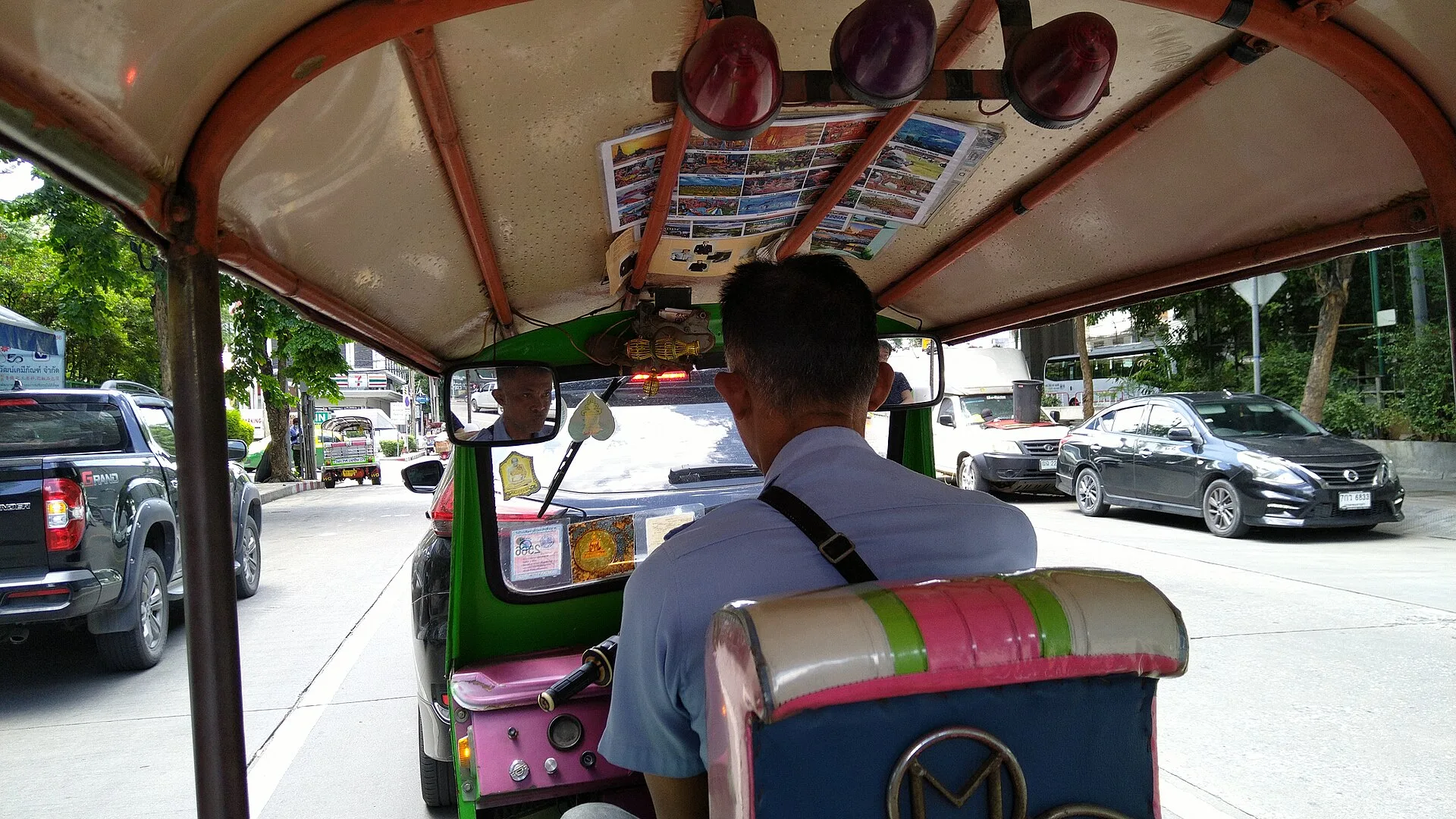
A 12-day trip can combine city visits, cultural sites and time by the sea when the route is kept realistic. Transfers, regional weather and local rules need to be checked for the exact dates. Use this article as a planning framework rather than a fixed package description. AsiaTrip EN arranges each itinerary for one private closed group of 4 to 20 guests. Unrelated travellers are not combined, and the confirmed scope is quoted individually in THB.
Key information:
- A twelve-day trip to Thailand combines relaxation and sightseeing.
- Travelling with your own closed group lets family or friends share the route without being combined with unrelated travellers.
- A possible route can connect Bangkok with Chiang Mai and an island region.
- Relax on idyllic beaches such as Phuket and Krabi.
- Discover local culture and traditions.
- Possible activities include water sports and walking tours, but only the items listed in the accepted written proposal form part of the service.
- A licensed guide is included only when the written proposal names that role; a coordinator does not replace a licensed guide.
An overview of Thailand

Geographical features
Thailand stretches from mountainous northern provinces through the Chao Phraya basin and the Khorat Plateau to the long southern peninsula. The central plain is shaped by the Chao Phraya river system, while the north contains forested ranges and the northeast covers much of the Khorat Plateau. The Andaman Sea lies to the west of the southern peninsula and the Gulf of Thailand to the east. This geography matters when planning transfers because routes that look close on a map may require a flight, a long road journey or a boat connection.
Island areas such as Phuket and Koh Samui sit on different coasts and follow different seasonal patterns. Other regions range from Bangkok and the central plain to the mountains of the north, the northeast and the limestone coast around Krabi. A sensible 12-day route normally selects a limited number of regions instead of trying to cover the entire country.
Cultural significance
Thailand is culturally diverse, and daily life differs by region, community, religion and generation. Theravada Buddhism has a major public presence, but it should not be used to define every resident or interaction. Learn about the specific place being visited and avoid turning national nicknames into assumptions about individual people.
Ramwong is one example of a social dance, while Loi Krathong is observed differently across communities. Buddhist temples are active religious places, not simply attractions. Follow the rules of the particular site, keep a respectful distance from ceremonies and avoid generalising one custom to the whole country.
Bangkok and other cities contain modern commercial districts, historic neighbourhoods, religious sites and active communities. Approach cultural visits as a guest: follow local rules, avoid broad claims about an entire population and use a licensed guide when formal interpretation is part of the service.
Climate and the best seasons to travel
Thailand is warm for much of the year, but rainfall, sea conditions and temperature vary by region. November to February is often drier and less hot in Bangkok and much of the north, although busy periods and local conditions still need to be checked. A beach stay should be planned for the chosen coast rather than from a single nationwide weather rule.
The southwest monsoon affects much of the country during part of the year, but the Gulf and Andaman coasts do not share an identical rain pattern. Heavy showers, rough seas and temporary boat cancellations can occur. Lower demand may be available at some times, but neither lower prices nor safe marine conditions should be assumed without checking current supplier and weather information.
Northern highlands can be cooler than Bangkok, especially early in the day during the cooler season. Smoke and air-quality conditions can also affect northern routes at certain times. Before confirming the itinerary, compare Thai Meteorological Department forecasts, marine warnings and any park or transport restrictions for the exact dates.
Preparing for your trip
Visa requirements
Before travelling to Thailand, you should familiarise yourself with the visa requirements. Entry rules depend on nationality, purpose of travel and the date of arrival. Check the official Thai e-Visa portal, the relevant Thai embassy and immigration information that applies to your passport before departure. Check passport-validity and supporting-document requirements with the relevant official authority. Complete the Thailand Digital Arrival Card on the official immigration website within the official submission window; the TDAC is not a visa.
If you plan to stay longer, for example to work or study, you will need to apply for the appropriate visa. It is a good idea to take care of all the formalities well in advance to avoid last-minute problems.
Essential items to pack
Build the packing list around the route, season and planned activities. Light, breathable clothing and suitable walking shoes are useful in hot conditions, while northern highlands, rain, boat travel or formal venues may require additional layers or equipment.
Consider sun protection, insect repellent and a compact first-aid kit appropriate to the traveller. Check the voltage and socket types used by each device before choosing an adapter, and do not assume one plug format is used in every property.
Bring an appropriate supply of personal medicine in original packaging, together with supporting documents where required. Before travel, check Thailand’s current rules for controlled or restricted medicines with the relevant official authority. Keep secure copies of important documents separately from the originals.
Currency and payment methods
Thailand uses the Thai baht (THB). ATMs, banks and exchange services are available in many destinations, but access and fees vary. Cards are accepted by some businesses, while cash remains necessary in others. Plan more than one payment method and do not carry more cash than the group can secure responsibly.
Compare the displayed rate with the Bank of Thailand daily reference rates and check all fees before exchanging money. Use a licensed provider and keep the receipt when required. Before departure, check that your card is enabled for international use and review foreign-exchange, cash-withdrawal and dynamic-currency-conversion charges.
Carry a practical amount of cash for places that do not accept cards, while following normal precautions and keeping funds in more than one secure place. Payment method does not determine whether negotiation is appropriate. Ask first whether a price is fixed and respect the seller’s answer.
Arriving in Thailand
Entry points and transport options
When you land in Thailand, the most popular point of entry is Suvarnabhumi Airport in Bangkok, which handles most international flights. Other major airports include Don Mueang Airport and Phuket Airport. After arriving, you have various transport options, including taxis, buses and trains connecting the airport with the city and other popular tourist destinations.
In Bangkok, the BTS, MRT, airport rail services, buses, boats and licensed road transport cover different parts of the city. App-based transport may also be available. Driving a scooter introduces licensing, insurance and safety issues, so it should not be presented as a routine option without checking the traveller’s documents, experience and cover.
Language and communication
The official language is Thai. English is used in many visitor-facing businesses, particularly in major destinations, but fluency varies by person and location. Learning a few polite Thai phrases and keeping addresses written in Thai can make practical communication easier.
Do not assume that every driver, supplier or venue can discuss complex details in English. Save the Thai name, address and telephone number of the destination, and use a translation tool as support rather than as a guarantee of accurate interpretation.
Health and safety precautions
Use normal precautions for belongings, transport and crowded places. Review travel insurance before departure, including medical limits, exclusions, declared conditions, activities, vehicle use and evacuation. The policy wording determines cover; the article does not promise that a particular loss will be reimbursed.
Discuss vaccinations, medicines and personal risk factors with a qualified travel-health professional before departure. Medical services and access differ by location, so note suitable facilities for the route and keep the insurer’s assistance details available.
Health risks vary by destination, season and activity. Use current official guidance and personalised medical advice for bite prevention, food and water precautions, heat, air quality and other relevant risks. Recheck advice shortly before departure because conditions can change.
Bangkok: the capital of Thailand
Iconic landmarks and attractions
Bangkok combines historic districts with a large modern city. The Grand Palace complex includes Wat Phra Kaew, formally the Temple of the Emerald Buddha. It is an active royal and religious site, so opening arrangements, dress requirements, restricted areas and photography rules should be checked on the official site before visiting.
Wat Pho is known for the Reclining Buddha and its association with traditional Thai medicine and massage education. Chatuchak Weekend Market is a separate shopping stop with extensive grounds and changing opening arrangements. Neither site is compulsory; select stops according to the group’s time and interests.
Local food and dishes to try
Bangkok offers food from many regions and at many types of venue. Pad thai is a stir-fried noodle dish with recipes that vary by cook. Tom yum goong is a hot-and-sour soup commonly prepared with prawns, although ingredients and spice levels also vary.
For street food, try Khao Pad, or fried rice, often served with meat and vegetables. Mango sticky rice combines glutinous rice, coconut milk and ripe mango and is a useful example of a Thai dessert to look for when mango is in season.
Shopping and nightlife
Shopping in Bangkok ranges from large malls and specialist shops to neighbourhood and weekend markets. MBK Center is one well-known retail complex, while other areas focus on fashion, electronics, crafts or food. Compare quality, warranty and authenticity rather than assuming that every offer is a bargain.
Evening options include markets, performances, restaurants and nightlife districts. Khao San Road is busy and informal, while rooftop venues often apply age, dress and minimum-spend rules. Check the character of the venue, current opening times, transport home and alcohol rules before adding it to the itinerary.
Exploring temples
The historical context of Thai temples
Thai Buddhist temple complexes, commonly called wats, are active places of worship and community life as well as important historic sites. The buildings seen today come from different periods and regional traditions. Their architecture, murals and religious objects should be interpreted in the context of the specific kingdom, patron and restoration history rather than attributed to one simple starting date.
Some historic sites in the northeast and central regions show Khmer influence, while Lanna, Sukhothai, Ayutthaya and Rattanakosin traditions have their own forms. Monasteries have also supported religious education and community activities. Visitors should avoid treating every temple as a museum because ceremonies and daily worship continue alongside tourism.
Well-known temples in Bangkok
Bangkok has many important temples, including Wat Phra Kaew and Wat Pho. Wat Phra Kaew is the Temple of the Emerald Buddha, not the Blue Buddha. The revered image is traditionally called the Emerald Buddha because of its green colour and association with precious stone; descriptions of its material vary, so the article does not label it as jade. Wat Pho is known for its Reclining Buddha and its long association with traditional Thai medicine and massage education.
Wat Arun, the Temple of Dawn, is recognised for its riverside prang decorated with ceramic and porcelain details. Wat Phra Kaew, Wat Pho and Wat Arun are different sites with different entry arrangements. Plan enough time, dress respectfully, follow posted photography rules and remember that religious use takes priority over sightseeing.
Trips to nearby temple complexes
If the route allows, consider Ayutthaya or Nakhon Pathom as separate day trips. The Historic City of Ayutthaya is a UNESCO World Heritage property with archaeological remains spread across a wide area. Nakhon Pathom is known for Phra Pathom Chedi, a major Buddhist monument. Avoid relying on superlatives or a fixed height without checking the site’s current official visitor information.
Each day trip needs realistic travel time, heat breaks and a clear choice of sites. Ayutthaya is not a single compact temple, and religious areas in both destinations remain active. Follow signs and local instructions, ask before photographing people or ceremonies and use a licensed guide if historical interpretation is included in the proposal.
Northern Thailand: Chiang Mai and the surrounding area
Chiang Mai’s cultural heritage
Chiang Mai was a capital of the Lanna Kingdom and has temples, museums and historic neighbourhoods connected with that history. Wat Phra That Doi Suthep is an active pilgrimage site on Doi Suthep and also overlooks the city. Visit respectfully, check access and dress rules, and allow for the road and steps. Shops and markets in Chiang Mai sell crafts, but origin and production methods should be checked item by item.
The Chiang Mai Night Bazaar can be considered for shopping and evening food, subject to current hours. Khao soi is one northern noodle dish to compare, but ingredients and heat levels vary. Ask about allergens and do not describe one meal as representative of all northern cuisine.
Adventure activities in the region
Northern Thailand offers outdoor activities such as walking, cycling and rafting, subject to season, park rules and participant ability. Doi Inthanon National Park includes Thailand’s highest mountain and established visitor routes. Wildlife may be present, but sightings are not guaranteed and animals should not be approached or fed.
Rafting conditions on the Mae Taeng River vary with water level and weather. Use a properly equipped operator that screens participants, explains the route and provides current safety information. The activity is not suitable for every traveller and should be confirmed separately.
Community visits in northern Thailand
Northern Thailand is home to diverse ethnic and local communities, each with its own history, language and present-day life. A community visit should take place only through a locally managed, consent-based arrangement that explains where the fee goes and whether photography is permitted. People must not be presented as exhibits, reduced to clothing or described as providing an automatically “authentic” experience for visitors.
Choose visits that are invited by the community, avoid intrusive questions and do not photograph children or residents without clear permission. If a licensed guide or interpreter is needed, that role should be confirmed in the written proposal. It is acceptable to leave a community visit out when ethical participation cannot be verified.
Thailand in 12 days: a private route for your group
A workable 12-day sequence
This example limits the route to Bangkok, northern Thailand and one coast. It leaves transfer time visible instead of treating every travel day as a full sightseeing day. The exact order should be checked against flight or train schedules, weather, park notices and the needs of the closed group.
- Day 1, arrive in Bangkok: transfer to the hotel, recover from the journey and keep the evening flexible.
- Day 2, historic Bangkok: select a realistic combination of temples and riverside districts, with clothing rules and heat breaks planned in advance.
- Day 3, Bangkok or Ayutthaya: choose either canals and neighbourhoods in the city or a properly timed day trip. Do not try to compress both into one rushed schedule.
- Day 4, travel north: move to Chiang Mai by the agreed flight or train and allow time for check-in and delays.
- Day 5, Chiang Mai: explore the old city and selected temples with a route suited to the group’s walking ability and interests.
- Day 6, one northern experience: choose Doi Inthanon, a consent-based community visit, a cooking class or another confirmed activity. One well-planned option is better than several distant stops.
- Day 7, transfer to one coast: fly or travel to the selected Andaman or Gulf base. Treat this as a transfer day and verify the final connection to the hotel.
- Day 8, local coast: use a beach, town or cultural route appropriate to current weather, access and mobility.
- Day 9, optional boat day: confirm the operator, route, life jackets, park rules and sea forecast. Keep a land-based alternative.
- Day 10, flexible day: allow rest, a short local activity or a weather reserve instead of adding another region.
- Day 11, return to Bangkok: include a buffer before the international departure rather than relying on a same-day island connection.
- Day 12, departure: plan the airport transfer around the confirmed flight time and the airline’s check-in guidance.
This is a planning framework, not a fixed package. AsiaTrip confirms only the services named in the accepted proposal and prepares the quote individually in THB for one closed private group of 4 to 20 guests.
An overview of popular beaches and islands
Southern Thailand includes busy resort areas, quieter coastal districts and islands with different access conditions. Phuket has developed beaches such as Patong, Karon and Kata. Krabi is known for limestone scenery, while access to the Phi Phi Islands depends on boats, weather, park rules and visitor controls. Choose the destination that fits the group rather than treating the coast as one uniform experience.
Koh Lanta and Koh Yao Noi may feel less urban than central Phuket, but crowd levels, construction and services change by area and season. Compare transfer time, medical access, mobility, beach conditions and the group’s preferred pace before choosing an island base.
Activities: diving, snorkelling and relaxation
Diving and snorkelling require current sea conditions, a suitable operator and an honest assessment of each participant. Koh Tao has many dive businesses, while sites around the Phi Phi Islands are reached through local operators. Course level, insurance, medical screening, equipment, conservation rules and the exact dive site must be confirmed before booking.
Allow rest time after marine activities and build in alternatives for bad weather. Beach access, swimming flags, currents, alcohol rules and sun exposure still require attention. A water-based activity should never be treated as compulsory for every member of the group.
Coastal accommodation options
Southern destinations offer accommodation at different standards, from simple guesthouses to resorts. In Phuket, Krabi and smaller island areas, location can affect transfer time, sea access and the availability of services. Photos and category labels do not replace checking the exact property, room type, access, construction notices and cancellation terms.
Availability changes by date and destination, particularly around holidays and local events. Accommodation is not automatically part of an AsiaTrip service. If it is requested, the accepted proposal must identify the property or standard, room arrangement, booking responsibility, inclusions and cancellation conditions.
Thailand: a culinary experience
An introduction to Thai cuisine
Thai cuisine includes many regional and individual approaches rather than one fixed flavour profile. Sweet, sour, salty, bitter and spicy elements may be balanced differently, and ingredients such as basil, coriander, chilli and lemongrass appear in particular dishes. Examples to compare include pad thai, som tam and tom yum, with ingredients and heat levels confirmed for each diner.
Regional cooking reflects local ingredients, migration, trade and family traditions. Isan, northern, central and southern cuisines are not defined by one flavour alone, and heat or sweetness varies by dish and cook. Ask about ingredients and allergies rather than relying on a broad regional stereotype.
Cooking classes and food tours
A cooking class can introduce selected dishes and techniques, but it should not be presented as access to one definitive version of Thai culture. Classes are available in cities such as Chiang Mai and Bangkok. Compare the menu, group size, language, allergy handling, kitchen setup and whether a market visit is actually included.
A food tour may combine stalls, markets and restaurants. Check whether the host is providing food commentary or working as a licensed guide where that role is required. Possible dishes include satay, curry and khao soi, but the actual menu, dietary limits and substitutions need to be confirmed for the selected date.
Class format varies. Some sessions are demonstrations, while others provide individual workstations or shared preparation. Confirm who teaches, what each participant prepares, whether the meal is included and how allergies or dietary requests are handled.
Street food and restaurants
Street food is part of daily life in many Thai towns and cities, although the range and trading hours differ by neighbourhood. Common choices can include rice and noodle dishes, grilled items, fruit, desserts and regional specialities. Choose a busy, orderly stall, observe food handling and tell the vendor about allergies. A low price or roadside setting does not by itself prove either quality or authenticity.
Restaurants range from informal family-run places to hotel dining rooms and tasting-menu venues. In Bangkok and Chiang Mai, compare the current menu, opening hours, reservation policy, dietary communication and location before adding a meal stop to the route.
Choosing between a stall, market, food court and restaurant depends on the group’s dietary needs, mobility, comfort and schedule. No format is automatically more authentic. Meals form part of the service only when the accepted proposal lists them, and dietary requests still require confirmation from the provider.
Cultural etiquette and traditions
Understanding Thai customs
Basic etiquette varies by setting, age and relationship. A wai is a gesture of respect, but visitors do not need to imitate every exchange and should follow the other person’s lead. Show respect at religious and royal sites, and remember that Thailand has strict laws concerning the monarchy. Current legal guidance should be checked from an official source rather than inferred from social-media advice.
Avoid touching another person’s head and do not point your feet at people or religious images. Speak calmly, ask before taking photographs and treat individual preferences as more important than a checklist of stereotypes. Courtesy is useful, but no visitor should assume that every person behaves in the same way.
Dress code and behaviour in temples
Visiting temples in Thailand is an extraordinary experience, but it comes with certain rules. Dress requirements vary by temple and by the area being entered. As a practical baseline, cover shoulders and knees and avoid transparent clothing. Check the site’s posted rules because wraps may not be accepted everywhere and some areas apply additional restrictions.
Photography is permitted in some areas and prohibited in others, so follow signs and staff instructions. Remove shoes where required, keep voices low, do not interrupt worship and never climb on religious structures for a photograph.
Do not rely on clothing rental being available. Carry suitable clothing and allow time for security or dress checks. A loose layer can help, but the final decision rests with the rules at the site on the day of the visit.
Festivals and celebrations
Festival dates and practices vary. Songkran is observed in April, but religious, family and public water activities differ by place and day. Confirm the official local programme, transport disruption and safety restrictions instead of treating the celebration as one nationwide tourist event.
Loi Krathong involves floating decorated krathongs in many communities, with meaning and practice varying by place. Visitors should follow local instructions, choose materials that minimise environmental harm and avoid releasing lanterns or floating items where they are restricted.
Festival arrangements vary between communities and can affect traffic, accommodation and access. Participate only in permitted areas, follow local instructions and avoid describing one event as representative of every Thai community. Confirm dates and restrictions before building a festival into the itinerary.
Planning activities for a private closed group
Benefits of travelling with people you know
Travelling with family or friends makes it easier to agree on pace, priorities and rest time. For AsiaTrip EN, the group remains private and closed, with 4 to 20 guests. Pricing is prepared individually in THB for the agreed route and services, so no discount or saving should be assumed before the written quote is accepted.
Travelling with people you know can provide practical support in an unfamiliar setting, but it does not remove normal travel risks. You will also have someone to share your observations and experiences with as you explore Thailand’s remarkable attractions.
Organised tours and excursions
A planned private itinerary can reduce avoidable transfers and help the group use its time well. Transport, admission, coordination and licensed guide service are separate elements and are included only when stated in the accepted proposal.
Where the proposal includes a licensed guide, that person can explain the history and cultural context of the places visited. A coordinator may organise agreed logistics but should not be described as a guide.
Balancing independence with planned activities
Balance planned activities with rest and optional free time. The itinerary should state when transport, coordination or guide service ends so participants understand which periods are independent and which meeting points and times still apply.
During free time, each participant remains responsible for personal choices and costs outside the accepted proposal. Share the accommodation address, local contact method and an agreed return time without implying constant supervision.
Optional activities should not disrupt services already confirmed for the closed group. Before separating, consider mobility, age, local conditions and communication. A participant who does not join an optional activity should have a practical alternative.
Wildlife and natural wonders
National parks and protected areas
Thailand has many national parks protecting forests, marine areas, mountains and wetlands. Khao Sok National Park is known for rainforest, limestone scenery and Cheow Lan Lake. Wildlife sightings are never guaranteed. Use authorised routes and current park information, and do not approach, feed or disturb animals.
Erawan National Park is known for a multi-tiered waterfall system. Trail access and swimming areas can change with water levels, weather and park rules. Wear suitable footwear, follow staff instructions and keep food and belongings secured without feeding wildlife.
Ethical encounters with animals
Animal-welfare standards vary widely, and the word sanctuary is not proof of independent oversight. Prefer observation at a respectful distance. Avoid riding, bathing, performances, forced feeding, close-contact photographs and any activity that depends on coercive handling. Review current independent welfare information before selecting a venue.
Ask how animals arrived, whether breeding or commercial trading occurs, how veterinary care is provided and whether animals can withdraw from visitors. If the answers cannot be checked, leave the venue out of the route. No wildlife activity is included unless it appears in the accepted proposal after an animal-welfare review.
Adventure sports in nature
Outdoor options include climbing, kayaking and trekking, but their availability and suitability depend on location, operator, weather and participant ability. Check permits, equipment, route difficulty, rescue arrangements and insurance before adding an activity.
Diving around the Phi Phi Islands is one possible activity, subject to certification, medical screening, sea conditions and conservation rules. No participant should feel required to dive, and an appropriate land or boat alternative should be available.
For zip-lining or another managed adventure activity, check the operator, equipment, participant restrictions, weather policy, insurance and emergency arrangements. The activity should be included only when it suits every participant and appears in the accepted proposal. Natural settings should not be described as untouched when they contain visitor infrastructure.

Exploring Thailand’s islands
Famous islands: Phuket, Koh Samui, Koh Phi Phi
Phuket is Thailand’s largest island and includes heavily developed areas as well as quieter districts. Patong, Karon and Kata differ in density and character. Koh Samui lies in the Gulf of Thailand and has separate weather and transport patterns. Chaweng, Lamai and religious sites each require their own access, conduct and timing checks.
The Phi Phi archipelago is known for limestone cliffs, beaches and marine tourism. Water visibility, access and site conditions vary. A trip to Maya Bay must follow current national-park rules, visitor controls and boat arrangements. Diving or snorkelling is included only when the operator, site and participant requirements are confirmed.
Island-hopping itineraries
Island-hopping works best when the islands are in the same coastal area. Phuket, Phi Phi and Koh Lanta are on the Andaman side, while Koh Samui is in the Gulf and requires a substantial cross-country connection. For a 12-day trip, choose one coast unless the group deliberately accepts the extra transfer time and cost.
Check ferry seasons, pier locations, baggage rules, transfer buffers and the last connection of the day before confirming an island route. Transport and accommodation are not assumed. They are included only when the accepted proposal lists the named service and its conditions.
Best times to visit each island
Seasonal patterns differ between the Andaman and Gulf coasts, and no month guarantees beach or boat conditions. For Phuket, Phi Phi and Koh Samui, check regional forecasts, marine warnings, park notices and the operating calendar of the selected ferry or tour before travel.
A quieter period may bring lower demand, but it can also involve rough seas, reduced schedules or closed routes. Prices, crowds and availability vary by date and supplier, so treat them as current facts to verify rather than promises of a cheaper or quieter stay.
Souvenir shopping and local artisans
Unique Thai products and crafts
Markets and specialist shops may sell textiles, ceramics, basketry and other crafts. Production varies from factory-made souvenirs to work sold directly by makers or cooperatives. If origin matters, ask who made the item, where it was produced and what material was used rather than relying on a “local” label.
For jewellery, gemstones, antiques or products made from animal or plant material, verify the seller, documentation and export rules before buying. Do not assume that a certificate, story or high price proves origin or authenticity.
Tips for shopping at local markets
At local markets, begin by checking whether the price is fixed. Bargaining may be accepted in some tourist or craft markets, but it is inappropriate in many shops, food stalls and clearly priced businesses. If negotiation is invited, keep it polite and be prepared to decline without confrontation. Check product quality, origin and any restrictions before buying.
If supporting a maker is important, ask whether the seller is the maker, a cooperative or a reseller. Buying at a market does not automatically direct money to an artisan, so use information the seller can substantiate.
- Negotiating: only where the seller indicates that it is appropriate.
- Product quality: examine the item and ask for evidence where authenticity matters.
- Supporting makers: ask who produced the item and how it is sold.
Knowing the nuances of local markets can significantly enhance your shopping experience and help in making informed choices.
Responsible shopping practices
Check materials and current import and export rules before buying souvenirs. Avoid ivory, coral and other wildlife products that may be illegal, restricted or harmful. A seller’s assurance does not replace documentation or official customs guidance.
Where possible, buy directly from a maker, cooperative or seller who can explain the material and production method. Claims such as eco-friendly, handmade or community-made should be supported by specific information, not accepted as marketing shorthand.
A transparent purchase from a verified maker or cooperative may support skills and income, but the effect should not be claimed when the supply chain is unknown.
Summary of your trip to Thailand
A 12-day itinerary can combine Bangkok, one northern or historic area and one coast if transfer time is kept realistic. The right balance depends on the group’s pace, mobility, season and interests. Travelling as one closed group lets family or friends agree priorities without being combined with unrelated customers.
Use the article as a framework, then confirm each destination, transfer and service in writing. AsiaTrip EN prepares an individual THB quote for the accepted scope. Accommodation, meals, admissions, transport and licensed guide services are included only when they are specifically listed in that proposal.
FAQ
Q: What is the main itinerary for the Thailand trip?
A: This article outlines a 12-day route idea connecting Bangkok, the north and an island region. The final destinations depend on season, travel time and the accepted proposal.
Q: How long does the trip around Thailand last?
A: The example covers 12 days. Whether that is enough depends on the number of regions, transfer times and the group’s preferred pace.
Q: Are meals included in the private itinerary?
A: Meals are included only when the accepted written proposal lists them. The individual THB quote should identify what is and is not covered.
Q: What accommodation options are available during the trip?
A: Accommodation is not assumed. If requested, the proposal should state the property standard, room arrangement and whether booking is included.
Q: Is the trip suitable for families?
A: A family route can be prepared, but suitability depends on each child’s age, mobility, health, activity rules and the final pace.
Q: What are the main attractions we will see?
A: Possible stops include Bangkok temples, Chiang Mai markets and an island region. The exact route is confirmed for the closed group before booking.
Q: Do I need a visa to enter Thailand?
A: Requirements depend on the traveller’s passport, purpose and date of entry. Check the official Thai sources that apply to your circumstances before travel.
Related: Bangkok hotels: 9 tried-and-tested options in the centre.
Related: Plan the time needed for Ayutthaya before adding it to a Bangkok itinerary.
Related: Bangkok beaches: 5 of the best places for a beach day.
Related: Thailand last minute: 6 ways to travel cheaply.
Related: Travelling from Phuket to Bangkok: transport and timing.
Related: How to choose a multi-stop route.
No comments