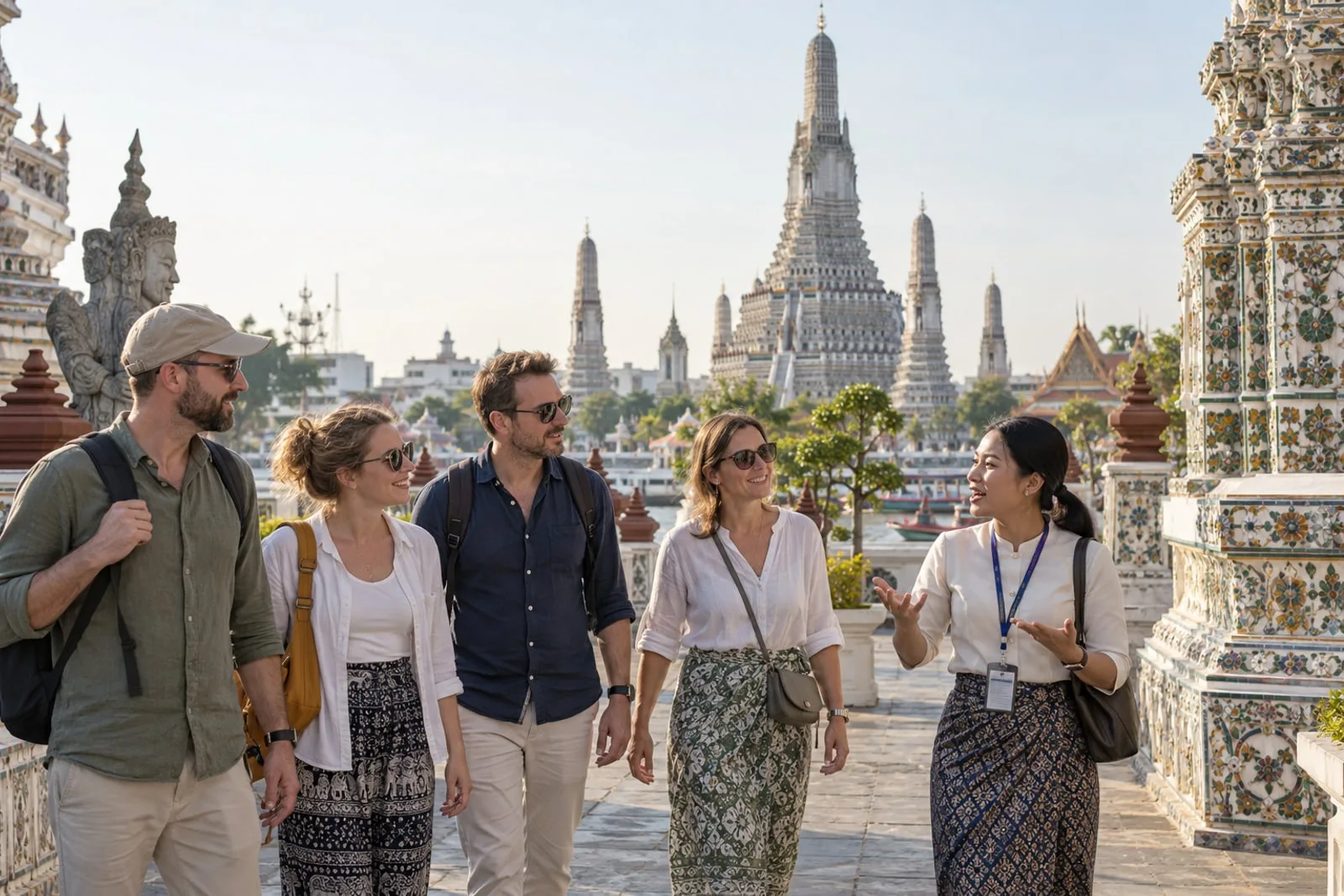

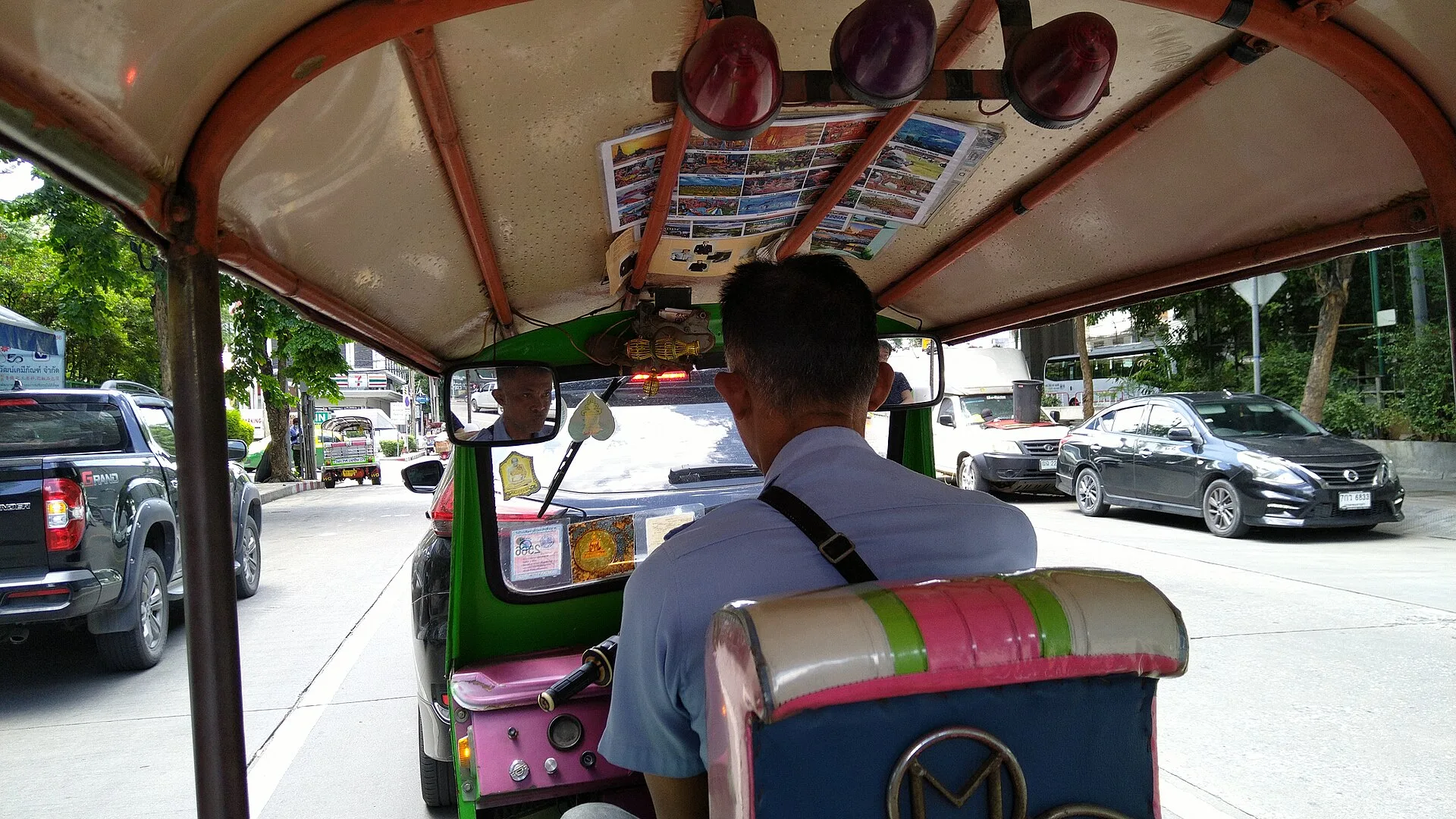
Northern Thailand feels completely different from Bangkok, Pattaya or the islands. It is quieter, greener, more mountainous and somehow closer to everyday life. This is a region that does not try to sell you everything in the first five minutes. Instead, it offers temples, smaller towns, mountain scenery, local markets, scenic roads and the kind of trip you can really feel.
If you have searched Google for what to see in Northern Thailand, you are probably looking for more than a list of landmarks. That makes sense, because the north is best experienced as a whole. What matters here is not just any one attraction, but also the pace of travel, journeys between places, the differences between Chiang Mai and Chiang Rai, Pai’s more relaxed atmosphere, the mountain scenery around Doi Inthanon and the history you can feel in Sukhothai.
We have put this guide together to help you plan a real visit to Northern Thailand, without the hype or forced praise, and with practical, down-to-earth advice. You will find the region’s main attractions in Northern Thailand, practical tips, an idea for five days in Northern Thailand and advice on who will enjoy this destination most.

Northern Thailand is a great choice for anyone who wants to see more of the country than just its beaches, resorts and big cities. This is where Thailand’s diversity really comes into view. On one side, there is Chiang Mai, a large and convenient city; on the other, the quieter Chiang Rai, mountain roads towards Pai, wilder landscapes, temples, local markets and towns where travel feels more relaxed than in the busiest parts of the south.
What is worth seeing in Northern Thailand? Definitely more than one place. This region is best experienced as a route rather than a single stop. It brings culture, scenery, history and a more authentic travel experience together. That is why it suits people who enjoy trips with character but without anything too much like survival mode.
Who is it best for? Couples, people visiting Thailand for the first or second time, and anyone who wants to combine city life with nature, enjoys temples and good food, prefers more relaxed sightseeing and would rather have a sensible itinerary than rush from one attraction to the next. If you are looking only for beaches and seaside relaxation, the Thai islands may be a better fit. But if you want to see another side of the country, the north is an excellent choice.
A good plan for what to do in Northern Thailand is not about trying to see everything. The region is at its best when you combine a few highlights: one larger city, a more mountainous area, some culture, some history and enough unhurried time to simply be there. Then the north becomes more than a route to tick off. It becomes a journey that stays with you.

If someone asks where to begin exploring Northern Thailand, the answer is often Chiang Mai. The city strikes a good balance between comfort and atmosphere. It has an old town with temples, night markets, cafés, excellent food, plenty of greenery and an easier introduction to the north than more spread-out, less obvious destinations.
Chiang Mai is a great choice not because it has one “biggest attraction”, but because everything works well together. You can visit temples in the morning, head to a viewpoint in the afternoon, visit a market in the evening, then set off for the mountains or Chiang Rai the next day. The city gives your trip a good rhythm and is easy to get around.

Many people arrive in Thailand picturing palm trees, islands and hot air. That is exactly why Doi Inthanon is such a surprise. It shows that the north can be more mountainous, greener and simply different. Waterfalls, viewpoints, walking trails and a slower pace make a great contrast with the more urban feel of Chiang Mai.
It is an excellent choice for anyone who wants to experience the north beyond its temples. A day in the mountains is often enough to feel how different the region is from southern Thailand. This is not about a major trek, but about a change of scenery and a break from the city.

Chiang Rai is neither as large nor as convenient as Chiang Mai, and that is precisely its strength. The city feels more intimate and offers a calmer, less hectic introduction to the north. For many people, it becomes one of the most enjoyable stops on the whole route because it does not try to be everything at once.
It is best known for the region’s most famous temples and trips towards the Golden Triangle, but it is also rewarding in its own right. It makes a sensible stop for one or two nights, especially if you want what to see in Northern Thailand to extend beyond Chiang Mai.

Some places impress you with their views alone; others become more meaningful when you understand their background. The Golden Triangle belongs to the latter category. It is significant historically and geographically, and a good opportunity to look at Northern Thailand more broadly, not just as a collection of attractions but as a region shaped by borders and old routes.
You do not need to spend half a day here, but it works very well as part of a longer route. It pairs well with Chiang Rai and offers a stop that brings the story of the north together. As a result, the trip feels fuller and less haphazard.

Pai may not be for everyone, but many people find it one of their favourite places in the north. It is more about the atmosphere than ticking off major sights: a few mountain roads, viewpoints and natural attractions, with plenty of room to unwind. It works well if you want to loosen up your itinerary and spend a day or two without rushing.
It is not an essential stop on every trip, but it is a great fit for people who prefer a more relaxed style of travel. Pai gives you a chance to catch your breath between larger cities and shows that the north can be not only interesting, but simply enjoyable to experience.

If you like your travels to have a historical dimension too, Sukhothai is well worth considering. It is one of those places that is not just beautiful, but gives the whole route a much deeper meaning. Temple ruins, open spaces, a slower pace and the chance to see the former capital in a more expansive landscape make a strong impression.
Sukhothai makes a fitting end to a trip through the north, or a great starting point if you are planning an overland route. It is for those who do not want to limit Thailand to the present day. Here, the whole region begins to tell a story rather than simply showing you more points on a map.
That is exactly what needs to be said clearly. If someone is looking only for a resort, a sun lounger and an easy holiday, they may feel the north is not the “easiest” choice. But if you want a trip where things really happen, not necessarily loudly, but with purpose, this region is an excellent choice.
This is not Thailand that reveals everything at once. A slower pace works better here: a day in the city, a day in the mountains, a day in smaller towns, some temples, some local food and a little unhurried wandering. That is when what to see in northern Thailand stops being a list of attractions and becomes a well-planned journey.
If AsiaTrip is to show the north at its best, it should do so by honestly revealing its character, not through excessive marketing: more substance than noise, more experience than showing off, and more real travel than postcard perfection.


Five days is a good way to get your first taste of the region. You will not see everything, but you can comfortably plan a route that captures the character of the north without spending the whole trip in a car. The key is not the number of stops, but making sure the route flows well.
It is best to spend the first day getting to know Chiang Mai at an easy pace. Explore the old town, visit a few temples, stop by a local market, enjoy a good dinner and settle into the rhythm of the region. There is no need to do everything at once. The important thing is to get a feel for the north and avoid starting your trip in a logistical rush.
Day two is a good time for a scenic excursion. Doi Inthanon is an excellent choice, offering a glimpse of the north's mountain landscapes and a break from the city. It is a chance to see that the region has more than temples and cities, with a whole other side shaped by nature.
Set aside the third day for the journey to Chiang Rai and your first look at the quieter side of the north. It does not need to be a packed day. It is better to arrive, see one or two highlights and leave yourself time to get a feel for the city.
Day four works well as a more contextual part of the trip. The Golden Triangle and its surroundings give you a broader picture of the region. This is not a day for rushing, but for rounding out your time in the north with a better understanding of its geography and history.
The last day depends on your travel style. If you prefer a slower trip, you can head back without squeezing more into the itinerary. If you want to extend the route, Pai or Sukhothai are good options. This is where you can see that northern Thailand in 5 days can make for a rewarding trip, while the region can easily justify a longer stay too.
The best way to extend your trip is not to add fifteen more stops, but to give yourself more time. An extra day in Pai, one in Sukhothai or a more relaxed stay in Chiang Mai makes more difference than an overloaded list of attractions. The north rewards an itinerary with room to breathe.
Four to five days is the minimum, but the region is much more comfortable to explore over seven to nine days. That gives you time to combine cities, mountains, quieter towns and a few standout attractions without feeling constantly rushed.
The most enjoyable time is when temperatures are comfortable for sightseeing, walking and trips into the mountains. The north is more suited to touring and taking in the atmosphere than to lounging by the water, so comfortable travel between places matters a lot.
Bangkok is the most natural place to add at the beginning or end of your trip. The north also pairs well with the south of the country if you want a more rewarding journey followed by time to relax on the islands.
It is a great choice for people who enjoy meaningful travel, discovering places at a slower pace, good food, nature, temples and regions that are more than just a backdrop for photos. It suits anyone who wants to see more of Thailand's depth.
In practice, northern Thailand is best enjoyed by people who do not try to squeeze everything into one itinerary. Here, the quality of each day really matters more than the number of attractions.
What usually stays with you is not one big “wow” moment from a single view. It is a series of lovely scenes: a morning in Chiang Mai, a temple without the crowds, a road through the mountains, local food at an evening market, a quieter town, a viewpoint, a breath of cooler air and the gentler pace of the journey.
That is the north's greatest strength. It does not overwhelm you, but it stays in your mind. It is a great place to share real photos from AsiaTrip journeys, because authentic moments have more impact here than catalogue-style perfection. Show temples, Chiang Mai's lanes, mountain views, quieter towns, local food and everyday moments on the road.
A gallery built around real travel photos works well here: a morning in the city, mountains and viewpoints, street food, temple details, the road to Pai, quieter Chiang Rai, the ruins of Sukhothai and everyday life, all showing that what to see in northern Thailand is about more than “attractions”; it is about the whole atmosphere of this part of the country.
If you want to explore the region at an easy pace and without planning every detail from scratch, take a look at our itineraries. Northern Thailand with local support from the AsiaTrip team is a good option for people who would rather focus on the journey than keep track of transfers, accommodation and planning each day from the beginning.
The north is at its best when the itinerary is well thought out. Attractions are spread out, and overly ambitious logistics can spoil the experience. A well-planned tour lets you see what is truly worth seeing while leaving room to breathe, take photos, enjoy good food and experience the journey.

For a first trip, include Chiang Mai, Chiang Rai and a day closer to nature around Doi Inthanon. If you are staying longer, add Pai or Sukhothai. This combination gives you a good sense of the region's variety.
Yes, especially for people who prefer sightseeing, culture, nature and a slower pace to a typical beach holiday. It works very well when combined with Bangkok.
Four to five days is the minimum, but seven to nine days is more comfortable. That way, you do not have to choose between cities, mountains and quieter towns.
Head into the mountains, visit viewpoints and night markets, explore smaller towns and scenic routes, and try local food. The north offers much more than classic temple sightseeing.
It depends on your travel style. The islands are better for beaches and relaxation. The north is a stronger choice if you want a more varied, rewarding and relaxed trip.
Yes, especially if your stay is short. A good guide helps plan a sensible route, reduce logistical confusion and make better use of your time in a region where travel between places matters.
If you are looking for a greener, quieter and more varied side of Thailand than a hotel by the beach, the north is an excellent choice. It is a region for people who enjoy a mix of culture, nature, history and unhurried travel.
That is why there is no single answer to the question what to see in northern Thailand. It is the whole experience that matters: Chiang Mai, the mountains, Chiang Rai, quieter towns, Sukhothai's history, good food, the region's atmosphere and a well-planned route.
If you want to explore the north with a well-planned programme, local support from the AsiaTrip team and a clear idea of what is truly worth seeing, take a look at AsiaTrip tours and plan your time in the region so it all comes together.
We use cookies to keep the site running smoothly, measure traffic (Google Analytics), and sometimes show ads. Choose what you agree to. See our privacy policy for details.