

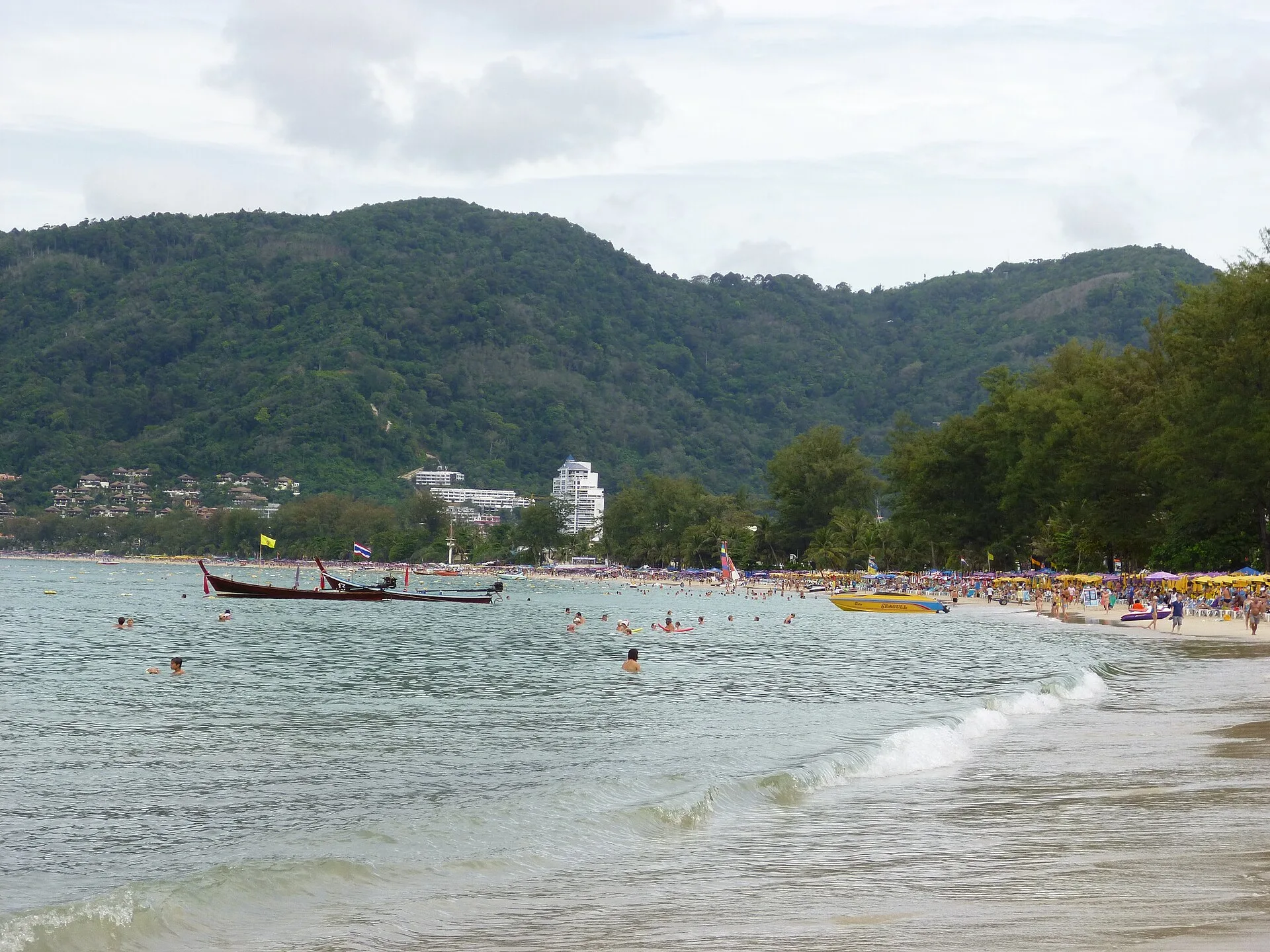
Thailand in July and August can be an excellent trip, but it should not be planned as if every region shares the same weather. These months fall within the rainy season across much of the country. Rainfall, sea conditions and usable daylight can still differ sharply between Bangkok, northern Thailand, the Gulf coast and the Andaman coast.
The useful question is not whether rain is possible. It is how to choose a region, build flexibility into the route and make safe decisions when conditions change. A well-designed summer itinerary can combine city sightseeing, food, culture, green landscapes and beach time without depending on perfect weather every day.
Seasonal patterns are only a planning guide. Check the current Thai Meteorological Department forecast shortly before each transfer and outdoor activity. For severe conditions, use the department’s official warnings and follow instructions from local authorities and transport operators.
Is Thailand worth visiting in July and August?
Yes, if you are comfortable with heat, humidity and a flexible schedule. Summer can suit travellers who want a mixed trip rather than an uninterrupted beach holiday. Bangkok, markets, temples, museums, food experiences and many indoor attractions remain practical even when a shower changes the order of the day.
Rain does not follow a reliable daily timetable. A sunny morning may be followed by a short downpour, or a wet period may last longer and affect roads, ferries or trails. Avoid promises that it will rain only in the afternoon or for a fixed number of minutes. The safe approach is to use the forecast, watch local conditions and keep a realistic alternative for weather-sensitive days.
Read a forecast as a decision aid, not as a promise for an entire island or province. Look at the location, issue time and validity period, then compare it with warnings and information from the operator responsible for the activity. Conditions at a pier, mountain pass or offshore destination can differ from those at the hotel. Recheck after an overnight storm and before leaving for a long transfer.
When several forecasts seem different, do not select the most optimistic one. Ask what decision must be made and use the source closest to that decision. TMD information is useful for regional weather and warnings. A ferry company controls its departure, a park authority controls access, and a qualified guide should assess a trail. If any responsible authority closes an activity, change the plan.
Plan for variable weather, not for a guaranteed pattern. Flexibility is part of a good July or August itinerary.
Who will enjoy a summer trip?
This period can work well for couples, families and independent travellers who prefer fewer hotel changes and do not mind adjusting activities. It also suits people who enjoy lush scenery, waterfalls and food-focused city days. Travellers who require calm seas and uninterrupted sunshine should compare other dates or accept that the beach part of the trip may need changes.
What can change at short notice?
Boat departures, island transfers, viewpoints, caves, waterfalls and mountain trails can be affected by rain, wind, currents or local closures. A tour operator may cancel even when the weather at your hotel seems fine because offshore conditions are different. Treat a safety cancellation as useful information, not as a reason to search for a less cautious operator.
How weather differs across Thailand
Thailand is long from north to south and has two different coastlines. The TMD regional forecast separates northern, northeastern, central, eastern and southern areas, including the southern east and west coasts. This is more useful than a single national weather icon.
| Region | Typical planning issue in July and August | Best approach |
|---|---|---|
| Bangkok and central Thailand | Heat, humidity, local thunderstorms and temporary street flooding | Start outdoor visits early and keep an indoor alternative nearby |
| Northern Thailand | Heavy rain can affect roads, waterfalls and mountain trails | Check warnings and local access before rural travel or trekking |
| Gulf islands | Conditions can be more practical than on the Andaman side, but rain and rough water remain possible | Compare island forecasts and confirm each ferry or boat activity |
| Andaman coast | The southwest monsoon can bring rough seas, wind and disrupted boat plans | Keep spare days and do not build the route around one crossing |
| Eastern seaboard | Rainfall and sea conditions vary between the mainland and islands | Check the exact province and operator rather than relying on a Bangkok forecast |

Bangkok in July and August
Bangkok is a strong starting point because many activities do not depend on calm seas. Temples, food courts, markets, museums, galleries and shopping areas can be combined according to the forecast. Rail and river transport may reduce exposure to road congestion, although rain can still affect the walk to a station or pier.
Plan the Grand Palace and other outdoor complexes for the cooler part of the morning. Carry water, use sun protection and allow time for a shower without rushing the next booking. The guide to BTS, MRT, boats and taxis in Bangkok explains how to compare practical transport options.
Build a weather-proof city day
Group activities by neighbourhood. A temple, lunch venue and indoor alternative within the same area reduce unnecessary travel during a storm. Avoid an itinerary that crosses the city several times in one day. If water begins to collect on streets, wait in a staffed place and use an established route rather than walking through floodwater.
Gulf islands: Koh Samui, Koh Phangan and Koh Tao
The Gulf islands are often considered when beach time is important in July or August. That does not make them rain-free or guarantee smooth crossings. Weather systems, wind and local sea conditions can still change. Check the island-specific forecast and confirm ferries, diving or snorkelling with the operator on the day.
Koh Samui offers the broadest range of accommodation, roads and indoor alternatives. Koh Phangan and Koh Tao may involve additional transfers, so leave more time before an international flight. Never plan a ferry connection and a long-haul departure with no recovery margin.
Choose a base, not a daily island race
Use one island as a base and treat boat activities as optional additions. This reduces packing, protects rest time and makes it easier to move an excursion if conditions are poor. Families should pay particular attention to transfer length, pier access and the availability of medical care.
Phuket, Krabi and the Andaman coast
Phuket and Krabi remain visually impressive in the green season, but the southwest monsoon can produce rougher seas and changing boat schedules. Some marine attractions or park areas may close seasonally or temporarily for safety and conservation. Confirm access through the responsible authority or licensed operator instead of relying on an old itinerary.
Do not enter the sea when red flags are displayed. Strong waves and rip currents can occur even when the beach looks attractive from shore. For water activities, the guide to snorkelling in Thailand covers equipment, operator checks and sea safety in more detail.
When the Andaman coast still makes sense
It can suit travellers who value scenery, food, spa time and flexible land-based days as much as boat trips. Select accommodation with practical access to restaurants and transport. Keep at least one spare day if a particular cruise matters, and accept that a safe operator may decide not to depart.
Chiang Mai and northern Thailand
The north can be green and atmospheric during the rainy season. City temples, markets, cafés and cooking activities are easy to combine. Rural drives, waterfalls and treks require more caution because heavy rain can affect slopes, river levels, trails and road access.
Check the forecast for the exact province, not just Chiang Mai city. Ask a qualified local operator about trail conditions and escape routes. Proper footwear and a route suitable for the group matter more than a fixed promise to complete the original plan. The separate Thailand trekking guide explains seasonal route selection and operator questions.
How to build a flexible summer itinerary
- Choose the trip’s main priority. Decide whether city culture, food, nature or beach time matters most.
- Select one main coastal region. Avoid adding both coasts unless the trip is long enough to absorb disrupted transfers.
- Reduce hotel changes. Fewer bases mean less exposure to missed connections and wet luggage.
- Add recovery time. Place an uncommitted day before the international departure and after complex island travel.
- Confirm weather-sensitive activities. Recheck boats, trails and park access close to departure.
- Prepare alternatives. Keep a museum, cooking activity, spa or food-focused day ready for poor conditions.
A balanced 10-day route
Spend three or four nights in Bangkok, then choose one beach base for four or five nights. Return to Bangkok or another mainland hub before the international flight. This route keeps the number of critical connections low and leaves room for a weather change.
A balanced 14-day route
Use Bangkok as the entry point, add three or four nights in Chiang Mai, then choose one coast for the beach section. Finish with a mainland buffer. Do not add destinations simply to fill every day. Longer stays make it easier to reschedule a boat trip or take a slower day after heavy rain.
Summer travel with children
Families benefit from short transfers, a hotel pool, easy food options and a simple daily rhythm. Plan one main activity per day rather than a chain of timed visits. Air-conditioned breaks can help with heat and humidity, while a dry change of clothes makes sudden rain less disruptive.
For boat trips, check life jackets in appropriate sizes, shade, toilet access, journey length and the operator’s cancellation policy. Do not assume an activity is suitable for a child because it appears in a family package. Conditions, swimming ability and the individual child all matter.
What to pack for July and August
- Light, quick-drying clothing and a breathable rain layer.
- Footwear with grip for wet pavements, plus suitable shoes for any trail.
- A waterproof pouch for passport copies, phone and essential medicine.
- Sun protection, a hat and refillable water bottle.
- Mosquito repellent and clothing that covers exposed skin when appropriate.
- Regular medicine in original packaging, with any required documentation.
Cloud does not remove the risk of sun exposure, and humidity can make dehydration easy to miss. Drink regularly and slow down when anyone feels dizzy, unusually tired or unwell. For broader precautions and emergency contacts, read the Thailand travel safety guide.
Accommodation, flights and daily costs
Do not assume that every part of the trip will be cheaper in summer. Hotel rates can vary by destination, event, school holiday and demand. International flights may be expensive during European holiday periods even when a Thai destination is in a quieter season. Compare the total route, not one attractive room rate.
Location can be more valuable than a small saving. A hotel near useful transport and food reduces time outdoors during heavy rain. Flexible booking conditions are especially helpful for weather-dependent island plans. Read cancellation terms carefully and verify what happens if an operator cancels for safety reasons.
Private trip planning with AsiaTrip
AsiaTrip’s EN service is for one private closed group of 4 to 20 guests. Unrelated customers are not combined. The itinerary is adapted to the group’s priorities and the practical conditions of the route.
Each trip is quoted individually in THB. There is no public EN price list. A quote depends on the agreed route, dates, group size and confirmed services. Weather-sensitive activities remain subject to operator and safety decisions.
FAQ about Thailand in July and August
Does it rain all day?
Sometimes rain is brief and local, but longer wet periods can occur. No daily pattern is guaranteed. Use the current regional forecast and keep alternatives rather than relying on a simple rule about afternoon showers.
Which coast is better?
The Gulf islands are often considered for July and August, while the Andaman coast can face rougher monsoon seas. Conditions vary by place and day, so this is a planning tendency, not a guarantee. Check the exact island, ferry and activity.
Can I visit Phuket or Krabi?
Yes, if you accept flexible boat plans and choose accommodation that works even on a wet day. Follow beach flags and operator decisions. Do not enter rough water or pressure a provider to depart after a cancellation.
Is northern Thailand suitable?
City-based travel can work well. Trekking, waterfalls and rural roads need current local checks because heavy rain can affect access and safety. Choose the route only after confirming conditions.
How much buffer should I leave?
Leave at least one practical recovery opportunity before an international flight and avoid same-day island connections when a delay would cause a missed departure. The correct margin depends on the route, season and transport involved.
Summary
- July and August bring variable rainy-season conditions across much of Thailand.
- Use regional forecasts because Bangkok, the north, Gulf islands and Andaman coast differ.
- Keep boat trips, treks and other weather-sensitive activities flexible.
- Choose fewer bases and leave recovery time before important connections.
- Check official warnings and follow local safety decisions.
Thailand in July and August is not a promise of perfect beach weather. It can still be a rewarding trip when the route respects regional differences and allows plans to change. Start with the experience you value most, select the right base and verify each weather-sensitive step close to departure.
No comments