

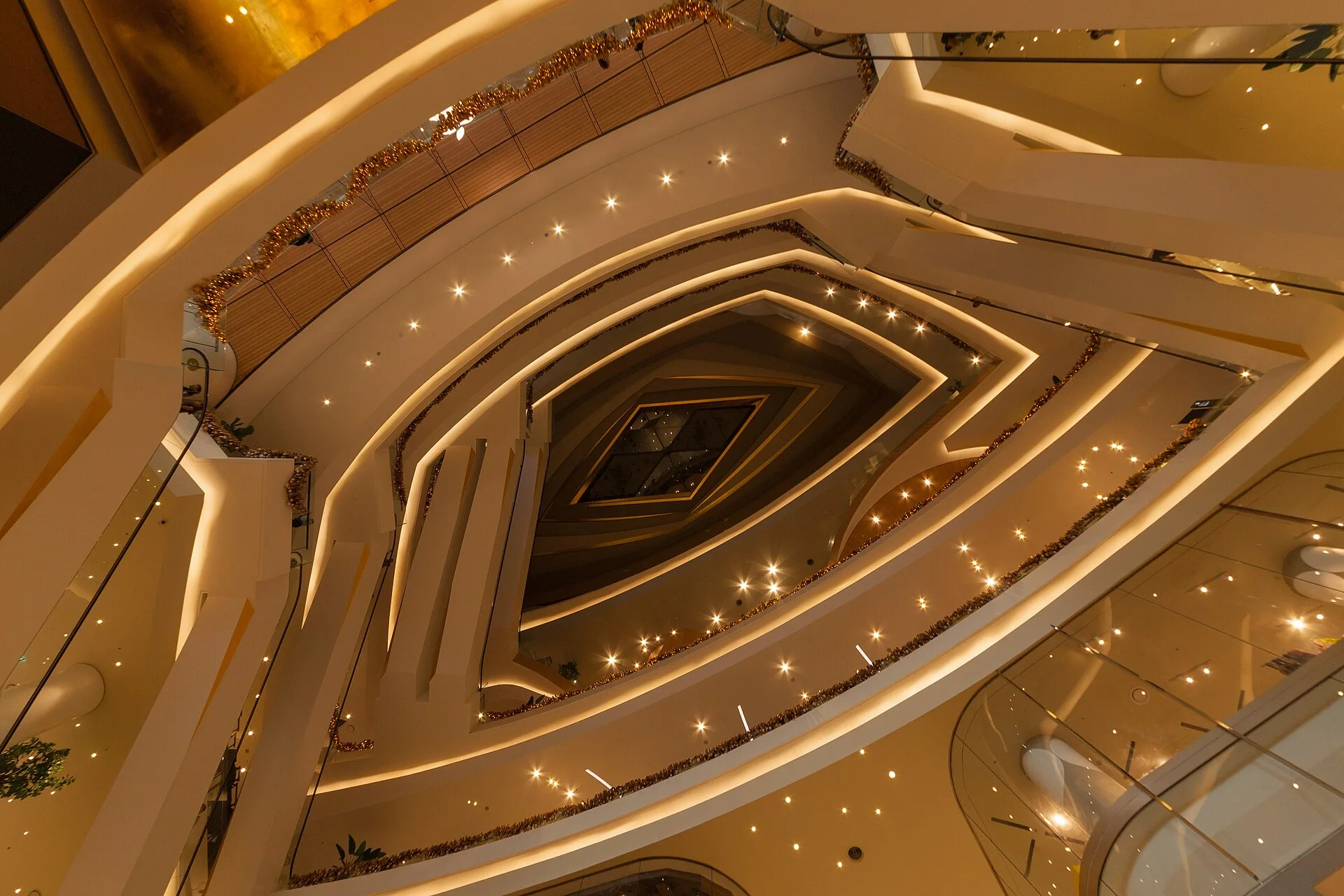
Shopping in Bangkok is easier when you choose an area for a specific purpose. The city has polished malls, wholesale fashion centres, weekend markets, small independent shops, electronics counters and riverside retail complexes. Trying to cover them all in one day usually means spending more time in traffic than in shops.
This guide explains where to look for clothes, Thai products, souvenirs, cosmetics, electronics and gifts.
It also covers the practical differences between malls and markets, where bargaining may be appropriate, how to plan a shopping route around the BTS and MRT, and what to check before paying.
Opening hours, store directories and visitor services can change.
Use the places below to choose an area, then confirm the latest details on the venue’s official website before travelling.
How to read Bangkok’s shopping map
Bangkok shopping areas fall into several broad groups. Central malls are convenient, air-conditioned and well connected by public transport.
Pratunam focuses on fashion and wholesale-style shopping. Chatuchak is a large weekend market where a plan matters. Chinatown and Sampeng Lane suit small goods, accessories and compact purchases. ICONSIAM and Asiatique combine shopping with a riverside visit.
Siam is the simplest starting point for a first visit. Siam Paragon, Siam Center and Siam Discovery sit close together, while MBK Center is connected to the wider Siam area by walkways and the BTS network.
CentralWorld is also within the central shopping district. You can compare several price levels without moving across the city.
Pratunam has a different rhythm. Platinum Fashion Mall and the surrounding streets focus heavily on clothes, bags and accessories.
Shops may sell single items, multiple items or wholesale quantities, and the terms vary by seller. Go with a list and check each product carefully.
Malls, markets and wholesale shops work differently
Malls normally use marked prices. Card payments are widely available in larger shops, although the accepted networks and minimum purchase rules vary. Receipts, warranty information and formal return policies are more likely to be available at established retailers.
Markets and small stalls often favour cash. Some sellers may negotiate, particularly when several items are purchased, but not every price is flexible.
Ask politely and accept the answer without pressure. A calm exchange works better than treating bargaining as a contest.
Outdoor shopping is more comfortable earlier in the day or later in the afternoon. Air-conditioned malls are useful during the hottest hours or heavy rain. If you want a market experience outside Bangkok, our Damnoen Saduak guide explains how that visit differs from shopping in the city.
Choose the product first and the district second. That simple order prevents unnecessary journeys and makes it easier to compare quality and price.
Bangkok malls and markets compared
The table below is a planning aid, not a ranking. Each place suits a different type of visit. Brand lists and opening hours change, so check the official directory if one particular shop is essential to your plan.
| Place | Useful for | Character | Transport area |
|---|---|---|---|
| Siam Paragon | Premium brands, cosmetics, dining and department-store shopping | Large, polished and busy | BTS Siam |
| CentralWorld | Fashion, sports, lifestyle shops, dining and mixed group interests | Very large central mall | BTS Chit Lom or Siam area |
| MBK Center | Phone accessories, practical goods, souvenirs and varied small retailers | Mall with a bazaar-style mix | BTS National Stadium |
| ICONSIAM | Premium retail, Thai products, dining and a riverside visit | Destination mall by the Chao Phraya River | Gold Line Charoen Nakhon and river connections |
| Terminal 21 Asok | Small fashion shops, food and a compact Sukhumvit stop | Themed floors with easy transit access | BTS Asok and MRT Sukhumvit |
| Platinum Fashion Mall | Clothes, bags, shoes and accessories | Wholesale and retail fashion hub | Pratunam |
| Chatuchak Weekend Market | Clothes, handicrafts, homeware, art, plants and souvenirs | Large open market that needs time and a route | MRT Kamphaeng Phet or BTS Mo Chit area |
| Emporium, EmQuartier and Emsphere | Fashion, dining, lifestyle shops and entertainment | Three connected destinations in the EM District | BTS Phrom Phong |

How to use the comparison
If you have only a few hours, stay within one transport corridor. Siam and MBK work well together. Asok and Phrom Phong can be combined on the Sukhumvit Line. ICONSIAM deserves its own riverside block rather than a rushed detour between central malls.
For lower-cost fashion and accessories, focus on Pratunam and Platinum. For crafts, homeware and a broad market experience, choose Chatuchak on a full-market day. For premium brands and comfortable dining, use Siam, CentralWorld, ICONSIAM or the EM District.
Where to shop in Bangkok, step by step
A useful route begins with your hotel location and the nearest train line. Bangkok distances can look short on a map while taking much longer by road. Grouping stops reduces transfers and gives you time to check purchases properly.
- Start with Siam for a broad overview. Compare premium retail, contemporary fashion and the more varied mix at MBK without crossing the city.
- Use CentralWorld for a long, weather-proof session. It suits groups whose members want different categories of shops and restaurants.
- Choose Pratunam for fashion. Bring a list, check sizes and materials, and ask whether a quoted price applies to one item or several.
- Reserve Chatuchak for the weekend market. The whole market operates on Saturday and Sunday according to the market’s current information. Go early, carry water and mark a meeting point.
- Visit ICONSIAM as a riverside destination. Allow time for the building, food and riverfront rather than treating it as a quick shop.
- Use Terminal 21 for an Asok stop. It connects conveniently with BTS Asok and MRT Sukhumvit and is manageable when you do not want a full-day mall visit.
- Add Chinatown and Sampeng Lane for small goods. Narrow lanes, heat and crowds make a short focused visit more practical than open-ended browsing.
A practical two-day plan
On day one, use the central corridor. Start in Siam, continue to MBK or CentralWorld, and stop once you have covered the categories on your list. There is no benefit in visiting every mall if the shops begin to repeat.
On day two, choose one specialist area. Pick Chatuchak for a weekend market, or Pratunam for fashion and accessories. In the evening, add ICONSIAM or Asiatique if you want food and a riverside walk as part of the outing.
What to buy in Bangkok
The strongest purchases are products you can identify, inspect and transport safely. Low prices alone do not make an item useful. Consider luggage space, customs restrictions in your destination country and whether a warranty will remain valid after you leave Thailand.
- Thai cosmetics and spa products: balms, oils, soaps and skincare are widely available. Check ingredients, seals and expiry dates.
- Clothes and accessories: Pratunam, Platinum and markets offer broad selections. Try items on where possible because sizing varies between brands and sellers.
- Thai crafts and homeware: Chatuchak is useful for ceramics, textiles, prints and decorative objects. Protect fragile items before packing.
- Tea, spices and packaged snacks: choose sealed products with clear labels and check the import rules for your destination.
- Phone accessories and small electronics: MBK and other malls have many options. Confirm compatibility, warranty coverage and return terms.
- Bags and luggage: inspect handles, wheels, zips, lining and seams before paying.
- Gifts from established Thai brands: larger malls make it easier to compare packaging, receipts and product information.
Products that need extra care
Counterfeit branding is an obvious risk with watches, bags, clothing and electronic accessories. Buy expensive branded goods from authorised retailers if authenticity and warranty matter.
Do not buy medicines, supplements or cosmetics when the ingredients, manufacturer or expiry date are unclear. Avoid wildlife products and items that may be restricted by Thai law or by customs in your home country. If you are unsure, leave the product behind and check the relevant authority before buying.
For electronics, test the item where possible and confirm plug type, voltage, regional compatibility and international warranty. A receipt is important, but it does not automatically guarantee service outside Thailand.
Bangkok malls for comfort and easy transport
Malls are useful when weather, accessibility or mixed interests matter. They provide air conditioning, toilets, food options and clear wayfinding. Many also connect directly or indirectly with BTS stations and elevated walkways.
Siam Paragon lists daily opening from 10:00 to 22:00 and sits by BTS Siam. Nearby malls make the district efficient even if you decide not to spend the whole day in one building.
CentralWorld currently lists daily opening from 10:00 to 22:00. Its scale suits a longer visit, but checking the directory in advance prevents unnecessary walking.
MBK Center lists a direct walkway from BTS National Stadium and daily opening from 10:00 to 22:00. It has a broad mix of retailers, so compare products and seller terms rather than assuming every counter offers the same conditions.
ICONSIAM, Terminal 21 and the EM District
ICONSIAM works best as a combined shopping and riverside visit. Its official information should be checked for current transport services and events because river connections and schedules can change.
Terminal 21 Asok uses themed floors and contains a mix of smaller stores, food and entertainment. Its main practical advantage is location: BTS Asok and MRT Sukhumvit serve the same interchange area.
The EM District brings together Emporium, EmQuartier and Emsphere around BTS Phrom Phong. Official visitor information currently lists tourist services and daily operating details for the three properties. Check the individual venue if you are going for a specific shop, restaurant or event.
Bangkok malls are also transport landmarks, dining centres and places to take a break from the weather. A good plan uses those practical advantages without turning the entire trip into one long shopping session.
Markets and bargain shopping
Markets require a different pace. Paths may be crowded, stall layouts can be confusing and return policies may be limited. Carry only the cash you need, keep valuables secure and inspect each product before paying.
Chatuchak Weekend Market currently lists the whole market as open on Saturday and Sunday from 09:00 to 18:00. Selected sections operate at other times. Confirm the current schedule before travelling, especially around public holidays or special events.
Platinum Fashion Mall describes itself as a wholesale and retail fashion centre in Pratunam. The official visitor page lists the current location and opening information. Some shops offer better unit prices for multiple pieces, but the quantity and conditions differ by seller.
Chinatown, Sampeng Lane and evening shopping
Sampeng Lane is suited to accessories, decorations, stationery and small goods. The lanes can be hot and congested, so visit with a short list and avoid carrying bulky purchases through the busiest periods.
Evening markets are part shopping area and part leisure destination. Their atmosphere can be the main attraction, but that does not guarantee the lowest prices. Compare quality and price before buying, particularly in places aimed heavily at visitors.
Asiatique offers a promenade setting with restaurants and shops by the river. It suits an evening out and casual browsing more than a tightly priced wholesale trip.
How to bargain politely
Ask the price first. If bargaining appears acceptable, make a reasonable counteroffer or ask for a total price when buying several items. Keep the tone friendly and do not continue after the seller gives a firm answer.
Walking away is appropriate when the price or quality does not suit you. It is not a tactic that guarantees another offer. The aim is a clear, respectful transaction, not winning an argument over a small amount.
Practical shopping rules for visitors
Wear comfortable shoes, keep a reusable bag with you and protect purchases from rain. Bring water for outdoor markets. In crowded areas, use a closed bag and avoid displaying large amounts of cash.
Keep receipts for higher-value purchases. Ask about returns before paying because policies vary widely. For fragile products, check whether the shop can provide suitable packaging and inspect the item again before leaving.
Transport and route planning
The BTS and MRT are often faster and more predictable than road transport for Siam, Asok, Phrom Phong and Chatuchak. Plan the outward journey by train and decide in advance whether a taxi is more practical after buying bulky items.
Allow more time than the map suggests. Station exits, walkways and large interiors add distance. A plan with two nearby locations is usually more comfortable than four malls spread across Bangkok.
Payments, receipts and quality checks
Check the final amount on the payment terminal and keep the receipt. When a card terminal offers currency conversion, read the displayed rate and charges before choosing the billing currency.
At stalls, inspect fabric, stitching, zips, size, colour and all included parts. Confirm the price for the exact item in your hand. Exchanges may be difficult once you leave.
Tourist promotions and VAT refund arrangements may be available at participating retailers, but eligibility and documentation rules change. Ask the retailer for the current official procedure before purchase rather than relying on an old online summary.
FAQ about shopping in Bangkok
Where should a first-time visitor start?
Siam is the easiest introduction because several major malls are close together and the area is served by the BTS. It lets you compare styles and price levels without spending much of the day in traffic.
Can you bargain in Bangkok?
Sometimes, mainly at markets and independent stalls. Malls and established retailers generally use fixed prices. Ask politely, especially when buying several items, and accept a refusal.
Where can you shop for affordable clothes?
Pratunam and Platinum Fashion Mall are practical places to compare fashion and accessories. Prices and multi-item terms vary by shop, so check quality, size and the exact conditions before paying.
Is MBK Center still worth visiting?
It remains useful for a varied mix of phone accessories, souvenirs and practical goods in a central location. Compare sellers carefully, particularly for electronics and branded products.
Where can you buy Thai souvenirs?
Chatuchak offers a broad selection of crafts, homeware and small gifts. Malls, MBK, ICONSIAM, Asiatique and Chinatown also have options. Choose items that are legal to export, easy to pack and clearly labelled when they contain food or cosmetics.
Summary
- Siam and MBK: a practical first route with several retail styles in one central area.
- CentralWorld: a large, weather-proof option for mixed shopping and dining needs.
- Pratunam and Platinum: useful for fashion, accessories and multi-item purchases.
- Chatuchak: a weekend market for crafts, homeware, clothes and focused browsing.
- ICONSIAM: a riverside destination combining retail, food and a scenic visit.
- Asok and Phrom Phong: convenient BTS and MRT access to Terminal 21 and the EM District.
Shopping in Bangkok works best when each stop has a clear purpose. Use malls for comfort, reliable transport links and established retailers. Use markets for variety, crafts and independent stalls. Leave enough time to inspect products, keep receipts where available and confirm current venue information before setting out.
Continue planning: browse the private tour catalogue, read our practical Bangkok guide, or see the options for private Bangkok tours. Every AsiaTrip tour is arranged for one closed group of 4 to 20 guests, without combining unrelated customers, and is quoted individually in THB.
No comments