

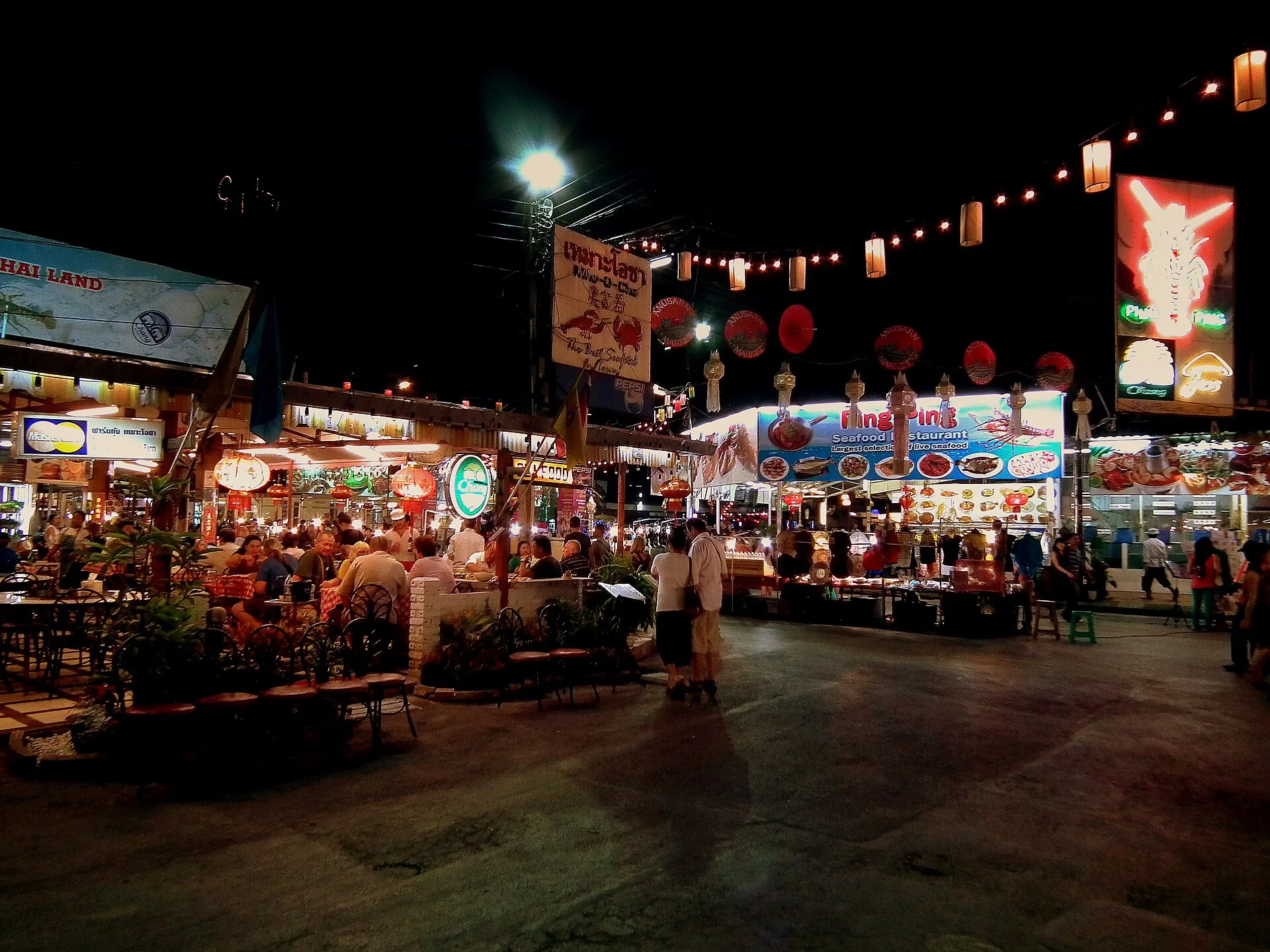
Chiang Mai night markets are not one attraction with one timetable. The city has an established Night Bazaar on Chang Khlan Road, two weekend walking streets and several smaller evening venues nearby. Choosing the right one depends on the day of the week, the amount of time available and whether food, crafts or an easy first evening matters most.
This guide compares the main options, explains the verified days for the Saturday and Sunday walking streets, and shows how to plan a realistic visit. It also covers food, shopping, payment, accessibility and the practical questions that become important once streets are crowded.
Market schedules, road closures and individual stall hours can change for holidays, weather or local events. Use the times below as a planning framework, then confirm the current situation on the day. The official Chiang Mai Province and Tourism Authority of Thailand pages are linked where they support specific details.
Which Chiang Mai night market should you choose?
The term “Chiang Mai night market” is often used for several different places. The daily Night Bazaar is convenient when the weekend markets are not operating. Sunday Walking Street offers the longest pedestrian route and a broad range of local products. Saturday Walking Street is smaller and is associated with Wua Lai, an area known for silverwork.
There is no single correct choice for every visitor. A family with young children may value an early and shorter route. Someone interested in crafts may prefer a weekend walking street. A traveller arriving on a weekday can still have a complete market evening around Chang Khlan Road.
| Market | Where | Usual operating day | Useful for |
|---|---|---|---|
| Chiang Mai Night Bazaar | Chang Khlan Road | Evenings; check current venue and stall hours | A straightforward first visit, food and souvenirs |
| Sunday Walking Street | From Tha Phae Gate along Ratchadamnoen Road | Sunday, approximately 17:00 to 22:00 | Crafts, food and a long pedestrian route |
| Saturday Walking Street | Wua Lai Road near Chiang Mai Gate | Saturday, approximately 17:00 to 22:00 | Silverwork, local products and a smaller route |
| Anusarn Market | Near the Night Bazaar area | Evening activity varies by business | Food and a break near Chang Khlan Road |
| Ploen Ruedee | Near the Chang Khlan area | Check the venue’s current calendar | A food-market setting with music and drinks |

Night Bazaar on Chang Khlan Road
The official Tourism Authority of Thailand listing places Chiang Mai Night Bazaar on Chang Khlan Road. The wider district includes shops, restaurants, food areas and massage businesses, so an evening does not depend on one line of stalls being open.
This is the simplest option when the visit does not fall on Saturday or Sunday. It is also easier to shorten than a long walking street. The atmosphere is more commercial, and repeated souvenir designs are common, so compare items before assuming that something is locally made.
Sunday Walking Street
Sunday Walking Street starts around Tha Phae Gate and continues along Ratchadamnoen Road into the Old City. The official provincial description identifies it as the larger Chiang Mai walking street and lists products including clothing, accessories, souvenirs, local food and handicrafts.
The route becomes busy after dark. An early arrival gives more space to inspect stalls and lets the visitor understand the layout before the central section fills. Temple grounds and side streets may contain food or craft areas, but access and permitted activities should be checked on site.
Saturday Walking Street on Wua Lai Road
Saturday Walking Street operates on Wua Lai Road near Chiang Mai Gate. Chiang Mai Province describes it as smaller than the Sunday route and connects the area with local silverware craftspeople. Silver items still need the same checks as other purchases: ask who made the piece, what metal it contains and whether a receipt or care information is available.
A smaller route does not mean an empty market. Crowding can still occur around popular food stalls and entrances. Plan a meeting point before the group separates, especially when mobile reception is unreliable or people do not all use the same messaging service.
Anusarn Market and Ploen Ruedee
Anusarn Market and Ploen Ruedee are often included in guides to the Chang Khlan district. They can complement the Night Bazaar, particularly when the priority is a meal or a seated break. They are separate venues, however, and should not be treated as automatic extensions of one market.
Check each venue’s current opening days and event calendar. Businesses can change, and a general map listing does not prove that every stall, performance or food outlet will operate on the chosen evening.
Opening days, hours and road closures
The official Chiang Mai Province tourism page lists Wua Lai Walking Street for Saturday and Tha Phae Walking Street for Sunday, both from 17:00 to 22:00. The Tourism Authority of Thailand also describes Sunday Walking Street as beginning from 17:00 along Ratchadamnoen Road.
These are useful official planning times, not a promise that every seller opens at exactly 17:00 or remains until 22:00. Setup and closing vary, while police, municipal authorities or organisers can alter traffic controls. Check recent official notices when the date coincides with a festival or major event.
When to arrive
Arriving close to opening time usually makes movement easier and provides better access to displays. The full evening atmosphere develops later, but later also means denser pedestrian traffic. A balanced plan is to inspect crafts first, eat after the route becomes livelier and leave before the final transport rush.
Do not assume that “after dark” is one fixed time throughout the year. Sunset, rain and seasonal visitor numbers change the feel of the market. A same-day weather check is more useful than a rule copied from a previous trip.
Weather, holidays and special events
Chiang Mai’s outdoor markets can be affected by rain, heat, smoke conditions and public events. Carry a compact rain layer when appropriate, but do not block a narrow route with a large umbrella. During poor air quality, follow current health guidance and decide whether a crowded outdoor evening is suitable for the group.
Festival dates can bring performances and extra stalls, but they can also create road closures and longer journeys. Confirm the pickup point with a driver before entering a pedestrian zone. Do not rely on being collected from the same place where the vehicle dropped the group.
A practical route through the market
A simple route prevents repeated walking and rushed purchases. Save the entrance and planned exit on a map, identify a meeting point, and decide whether the evening will focus on food, crafts or both. If members of the group have different interests, agree on a time to regroup rather than trying to remain shoulder to shoulder in every aisle.
- Confirm the market and day: Saturday and Sunday walking streets are different routes.
- Check transport: allow for road closures and choose a pickup point outside the pedestrian zone.
- Walk one section before buying: compare quality, prices and the information sellers provide.
- Choose food deliberately: consider allergies, hygiene and portion size before ordering.
- Carry a practical payment mix: keep small THB notes, but do not carry the entire trip budget.
- Keep a meeting point: choose a visible fixed landmark, not a movable stall.
- Leave time for the return: transport demand can increase when the market closes.
A two-hour first visit
For a short Night Bazaar visit, begin on Chang Khlan Road, inspect one main shopping section, choose a food area and then return for any purchase that still seems worthwhile. A two-hour plan is an orientation, not a promise that every nearby venue can be covered.
Keep the route compact if someone has limited mobility, heat sensitivity or a tight return time. A seated meal may be more useful than adding another street. Confirm step-free access and toilet availability with the actual venue because conditions vary.
A longer weekend route
Allow at least three hours for Sunday Walking Street if crafts and food both matter. Start from Tha Phae Gate or from the opposite end only after confirming the chosen transport arrangement. The goal is not to walk every side lane but to leave enough time to inspect items without blocking the flow of people.
On Saturday, combine Wua Lai’s main route with a meal rather than adding a second distant market automatically. Chiang Mai has many evening areas, but travel time between them can turn a relaxed visit into a checklist.
A good market plan leaves room to stop. It does not require the group to buy, taste or photograph everything.
Shopping for crafts and souvenirs
Markets contain a mix of locally made work, regional products, factory-made souvenirs and imported goods. None of those categories can be identified from appearance alone. Ask specific questions about the maker, material and production method. A seller who cannot answer may still be honest, but the item should not be described as handmade without evidence.
- Textiles: ask about fibre, dye, washing instructions and where the item was made.
- Silver-coloured goods: ask about metal content and avoid assuming that colour proves silver purity.
- Food products: check ingredients, packaging, expiry information and restrictions at the destination country.
- Wood and wildlife materials: avoid items that may involve protected species or restricted exports.
- Artwork: protect it from humidity and confirm whether the seller can provide suitable packaging.
- Electrical decorations: check voltage, plug type and safety information before purchase.
Handmade or mass-produced?
Small differences between pieces can suggest hand production, but they do not prove origin. Repeated designs at many stalls may indicate wholesale supply, yet a craft cooperative can also make a consistent series. The most reliable approach is a conversation supported by clear information.
Buy an item because its quality and price suit the buyer, not because a vague “local” label creates pressure. Keep receipts for higher-value purchases and ask how fragile goods should be packed.
Bargaining without disrespect
First check whether the price is fixed. Bargaining may be accepted for some clothing and souvenir stalls, while food, clearly labelled products and many handmade goods use fixed prices. A polite question is better than assuming every seller expects negotiation.
If the seller declines, accept the answer. Do not compare the seller’s income with the traveller’s budget or use a bulk discount claim that has not been offered. The correct price is the amount both sides freely agree to.
Food at Chiang Mai night markets
Evening markets are useful for sampling small portions, but they are not a substitute for checking ingredients and hygiene. Northern Thai dishes can contain pork, fish sauce, shrimp paste, peanuts, soy, egg, coconut or chilli. A familiar English name does not establish the recipe.
For broader background, use the site’s guide to food in Thailand. At the stall, ask again. Recipes and cross-contact conditions vary between vendors.
Northern dishes to recognise
Khao soi is a northern curry noodle dish commonly served with a rich coconut-based broth and a crisp noodle topping. Sai ua is a seasoned northern sausage. Nam prik ong is a tomato and minced-meat chilli dip, while nam prik noom is based on green chillies. Ingredients and heat levels differ, so the name alone is not an allergen statement.
Other market foods can include grilled skewers, noodles, fermented sausage, fruit, roti and coconut desserts. Choose small portions if the aim is to compare flavours. Do not describe one stall as authentic or safe merely because it has a long queue.
Allergies, dietary requirements and hygiene
Travellers with a serious allergy should prepare a clear Thai-language allergy card and understand that a request may not prevent cross-contact. Shared woks, grills, oil and utensils are common. When the risk cannot be assessed, choose a controlled restaurant or packaged product instead.
Look for active cooking, clean utensils, protected ingredients and suitable temperature control. These observations reduce uncertainty but do not guarantee safety. Wash or sanitise hands before eating and keep raw and ready-to-eat food separate.
How much should you budget?
Prices change by venue, portion, ingredients and date, so this guide does not publish a fixed food budget. Review displayed prices before ordering and clarify whether a quoted amount is per piece, portion or set. Keep enough THB for the return journey separately from shopping money.
AsiaTrip does not use market food prices as a public tour price list. Any private itinerary is quoted separately in THB for the written scope agreed with the closed group.
Payment, personal security and accessibility
Outdoor markets are ordinary public environments with crowds, uneven surfaces, hot cooking equipment and vehicle access near their edges. Basic preparation is more useful than broad claims that a market is safe or unsafe.
Cash, cards and QR payments
Small THB notes are practical for low-value purchases. Some businesses may accept cards or Thai QR payments, but a foreign visitor should not assume access to every domestic payment method. Ask before ordering if cash on hand is limited.
Count change away from the busiest flow of pedestrians and keep a backup payment method separate. Avoid displaying a large amount of cash. An ATM’s availability and fees should be checked before depending on it late in the evening.
Documents, phones and meeting points
Keep valuables secured and carry documents in the manner appropriate to current legal requirements and the day’s activities. A digital or paper copy can help with reference, but it may not replace an original when an authority or service provider requires one. Avoid blanket advice to leave every original document behind.
Save the accommodation address in Thai and English, plus the agreed meeting point. A phone battery pack can be useful, but it does not replace a plan for what to do if a device is lost or the network is unavailable.
Mobility, sensory needs and children
Walking streets can have crowded bottlenecks, kerbs, temporary cables and limited seating. Wheelchair access, quiet space and toilets vary by section. Confirm the current route and facilities with organisers or the chosen venue rather than relying on a general claim of accessibility.
People sensitive to noise, smoke or crowds may prefer an early visit and a short route. Identify an exit before entering the busiest section. Families should keep children away from grills, moving vehicles and open drains.
Visiting as a family, couple or solo traveller
The same market can work differently for different travellers. A family may focus on one food zone and a few craft stalls. A couple may prefer a meal and slower shopping. A solo traveller can move easily but still needs a clear return route and secure belongings.
With children
Arrive early, set a short route and schedule a seated break. Agree on a fixed meeting landmark with older children and place contact details where a younger child can reach them. Do not use a stall name as the landmark because stalls can move.
Check food temperature and allergens rather than assuming that mild-looking food is suitable. Shared portions can reduce waste, but separate utensils may be necessary for dietary restrictions.
Solo or as a couple
A solo visitor can explore at a personal pace, but should share the general plan with a trusted contact and confirm the return transport before the final hour. A couple should agree on a meeting point if one person wants to inspect shops while the other orders food.
Photography should respect vendors, performers and other visitors. Ask before taking a close portrait or photographing a working craftsperson. A public market is not permission to treat every person as part of a display.
Frequently asked questions
Which market is easiest for a first visit?
The Night Bazaar area on Chang Khlan Road is usually the simplest choice outside the weekend because it does not depend on the Saturday or Sunday walking-street schedule. If the visit is on Sunday and crafts are a priority, Sunday Walking Street may justify the larger crowds.
What time should I arrive?
For Saturday or Sunday Walking Street, arrival around the official 17:00 start provides more room than the later peak. Confirm the same-day situation because weather, holidays and road controls can alter setup.
Can I pay by card?
Some larger businesses may accept cards, while small stalls may require cash or a Thai QR payment method. Carry small THB notes and ask before committing to a purchase.
Do I need to bargain?
No. Check whether the price is fixed. A respectful offer may be acceptable at some souvenir or clothing stalls, but food and many clearly labelled products are not normally treated the same way.
What should I eat?
Khao soi, sai ua and northern chilli dips are useful names to recognise, but ingredients vary. Choose according to allergies, dietary requirements and what the actual vendor can explain.
How do I get back to the hotel?
Confirm a pickup point beyond any road closure and save the address in Thai. A songthaew, tuk-tuk, taxi or app-based ride may be available, but availability and price depend on location and demand. Agree on the fare or confirm the app booking before departure.
Can a Chiang Mai market be part of a private itinerary?
Yes, when the route, timing and services are confirmed in the written proposal. AsiaTrip EN serves one private closed group of 4 to 20 guests and does not combine unrelated customers. Transport, coordination, licensed guiding and other services are included only when explicitly listed.
Summary and next steps
- Night Bazaar: a practical weekday or first-evening option on Chang Khlan Road.
- Sunday Walking Street: the largest weekend route, with official hours of approximately 17:00 to 22:00.
- Saturday Walking Street: a smaller Wua Lai route, also listed for approximately 17:00 to 22:00.
- Food: check ingredients, shared equipment and portion prices before ordering.
- Crafts: ask who made the item and what materials were used.
- Transport: plan a pickup point outside road closures and keep return money separate.
- Current information: verify opening hours, weather and event changes on the day.
The right Chiang Mai market is the one that matches the actual day, the group’s interests and a realistic amount of walking.
To place the evening in a wider city plan, see what to see in Chiang Mai. For available private options, use the English tour catalogue or describe the group through the English trip planner.
Every AsiaTrip EN proposal is prepared individually in THB for one closed group of 4 to 20 guests. There is no public EN price list, and no booking, availability or included service is confirmed until it appears in the accepted written proposal.
No comments