

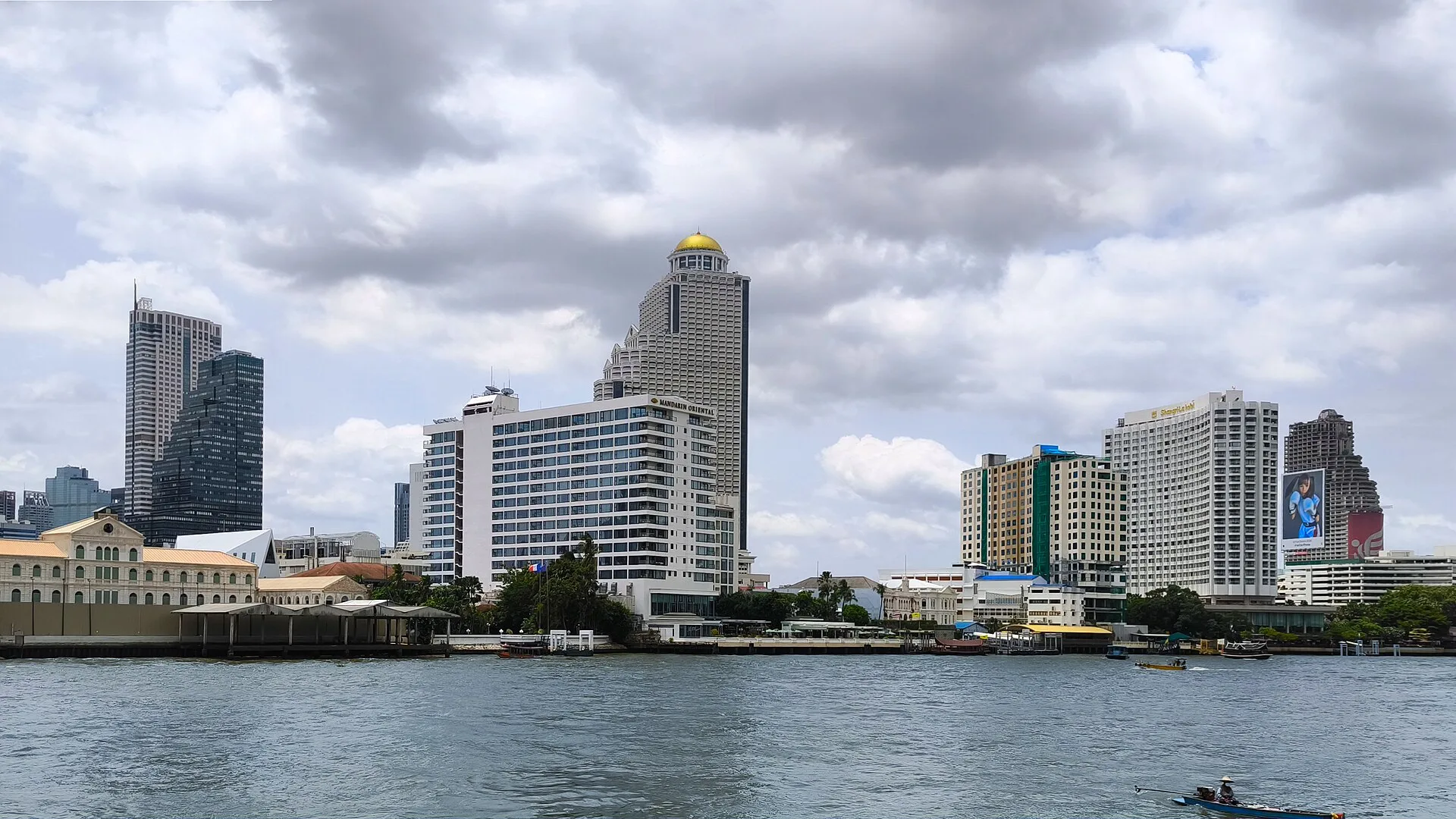
Wondering what to see in Bangkok in one day? The top sights are the Grand Palace, Wat Pho and Wat Arun, followed by night markets in the evening. A pre-arranged private itinerary can help you combine these places in a practical order. Any pickup, transport or licensed guiding is included only when stated in the confirmed quote.
Bangkok can feel overwhelming on a first visit. Temple districts, markets, riverside neighbourhoods and busy traffic all compete for limited time. Many first-time visitors therefore ask what to see in Bangkok. The capital has so much to offer that without a clear plan, it is easy to waste time zigzagging between districts.
AsiaTrip is based in Bang Phli near Bangkok and arranges private itineraries exclusively for one closed group of 4 to 20 guests. Unrelated customers are not combined. Each itinerary is quoted individually in THB, and the English site does not publish a standard tour price list. Opening times, access rules, independent attraction prices and supplier terms can change, so recheck the current details before visiting.

Below is a list of 16 places and attractions, arranged so you can explore them sensibly over 1 to 3 days in Bangkok. For each one, we share practical tips on how much time to allow, how to get there and what to watch out for. Whether this is your first visit or you are back for another dose of Thailand, this list will help you make the most of Bangkok.
1. A private Bangkok itinerary with AsiaTrip
AsiaTrip prepares a private itinerary for one closed group of 4 to 20 guests and provides an individual quote in THB. The confirmed quote states the route and every included service.
Why choose a private itinerary
A planned route can reduce unnecessary travel between districts and help your group set a realistic pace. The itinerary remains exclusive to your group, and unrelated customers are not combined.
What the route can include
A Bangkok itinerary can combine the following places when they fit the confirmed timing and access rules:
- The Grand Palace and Wat Phra Kaew
- Wat Pho
- Wat Arun
- Chinatown
- A boat trip along the canals or the Chao Phraya River
Practical points to confirm
The enquiry path and customer information on the English site are in English. If the confirmed quote includes a licensed English-speaking guide, the guiding language is English. Confirm the meeting point, pickup, transport, admissions, accessibility needs and expected duration in writing.
How logistics and pricing work
Every arrangement is quoted individually in THB, and there is no public standard price list. A guide, driver, boat, meal or admission is included only when it appears in the confirmed quote. Send your dates and group details by WhatsApp or through the form.
2. The Grand Palace and Wat Phra Kaew
If you are looking for an answer to what to see in Bangkok during a short stay, this complex is an absolute priority. For more than 200 years, the Grand Palace has been the heart of historic Bangkok, and it impresses even visitors who have already seen many temples across Asia.
Why go
The Grand Palace is one of Thailand’s most important historic complexes and served as the former residence of the monarchs. Wat Phra Kaew, or the Temple of the Emerald Buddha, stands within the same grounds and is regarded as the holiest place in the country. The Emerald Buddha statue is just 66 centimetres tall, but its religious significance means Thais treat this place with exceptional reverence.
The statue’s robes are changed three times a year, once for each season, by the King of Thailand himself.
What you will see
The complex contains more than a dozen buildings and pavilions decorated with gold, mosaics and intricate carvings. The Chakri Throne Hall stands out for its distinctive blend of 19th-century Thai and European styles.
Golden yaksha statues, mythical guardians, stand around the temple, while the inner gallery contains murals depicting the Ramakien epic. It takes at least two hours to walk through the courtyards if you want to see everything without rushing.
Practical tips
You must wear clothing that covers your shoulders and knees. Arrive in suitable clothing and check the official dress rules before visiting. An early start can also help you avoid the busiest part of the day.
Getting there and costs
The most direct public-transport option is a river boat to Tha Chang Pier. The official Grand Palace visitor information lists the standard foreign-adult ticket at THB 500. In 2026, royal events and access arrangements can change the route or visiting hours, so also check the current Tourist Police visitor notice before setting out.
3. Wat Pho and the Reclining Buddha
Wat Pho is just a few minutes’ walk from the Grand Palace, and together they make up the most attraction-packed part of historic Bangkok. This is where you will find one of the most recognisable sights in Southeast Asia and one answer to the question what to see in Bangkok on your first visit.
Why go
Wat Pho is one of Bangkok’s oldest and largest temples, and its history goes back to before the present capital was founded. Alongside the Reclining Buddha, the complex is also the official birthplace of traditional Thai massage. The massage school still operates here, and you can book a treatment straight after your visit.
The on-site school offers 30-, 60- and 120-minute treatments; check the current service list and rates before visiting.
What you will see
The Reclining Buddha statue measures 46 metres long and 15 metres high. Its gilded feet are decorated with mother-of-pearl inlay depicting 108 auspicious signs. Beyond the main building, the complex contains dozens of smaller temples, pagodas holding the ashes of successive kings, and stone plaques preserving old medical and astronomical knowledge.
Practical tips
Allow at least an hour and a half to explore the whole complex. Clothing that covers your shoulders and knees is required, as at other Bangkok temples. You must remove your shoes before entering the Reclining Buddha building.
Getting there and costs
Tha Tien Pier is a short walk from the temple. The official Wat Pho visitor page currently lists daily opening from 08:00 to 19:30 and foreign-adult admission at THB 300. Check the official page again on the day of your visit.
4. Wat Arun
Wat Arun, or the Temple of Dawn, stands right on the Chao Phraya River and is one of Bangkok’s most recognisable landmarks. If you are wondering what to see in Bangkok and want a view you will remember, this temple is a must-see.
Why go
Wat Arun stands out from other temples above all for its 82-metre central prang, covered in mosaics made from porcelain fragments and coloured glass. It looks especially striking at dawn and dusk, when the ceramic tiles reflect the light and the temple seems to shine above the river.
The best photos of Wat Arun are taken from the opposite bank, from a café terrace or a ferry, rather than from the entrance.
What you will see
The complex centres on the main prang, a Khmer-style tower surrounded by four smaller towers. Steep stone steps lead up the prang, where you can climb to a higher terrace and look out over the river and the historic part of Bangkok. Several smaller shrines and guardian statues stand around the main tower.
Practical tips
Climbing the steps up the prang requires steady footing, as they are very steep and narrow. Clothing that covers your shoulders and knees is required. Allow at least an hour to explore the grounds at a relaxed pace.
Getting there and costs
You can reach Wat Arun by the cross-river ferry from Tha Tien Pier. The crossing fare is collected separately and can change. The Tourism Authority of Thailand listing currently states daily visiting hours of 08:00 to 18:00 and foreign-adult admission of THB 200.
5. Wat Saket and the Golden Mount

If you are wondering what to see in Bangkok beyond the most obvious sights, add Wat Saket and the Golden Mount to your itinerary. This pagoda on an artificial hill does not draw crowds like the Grand Palace, so you can explore it in peace and at your own pace.
Why go
Wat Saket is one of the few Bangkok temples with panoramic views over the rooftops and canals of the historic district. The hill was built artificially from rubble and earth from nearby construction sites and was used for cremations during epidemics. Today it attracts both visitors and local residents looking for peace away from the city bustle.
What you will see
A stairway lined with bells leads up the Golden Mount. A golden chedi containing a relic of the Buddha stands at the summit of the 77-metre hill. From the terrace, the view differs from Bangkok’s modern observation decks.
The walk to the top takes about 15 minutes at a relaxed pace and is manageable for people with average fitness.
Practical tips
Clothing that covers your shoulders and knees is required, as at every Thai temple. Allow at least 45 minutes to climb up, explore the terrace and walk down at a relaxed pace. It is quietest in the morning, before the daytime heat and larger groups arrive.
Getting there and costs
A taxi, tuk-tuk or local bus can reach the temple from the Grand Palace area, but journey time depends on traffic. The Tourism Authority of Thailand listing currently gives visiting hours of 07:00 to 19:00 and foreign-adult admission of THB 100.
6. The Chao Phraya River and Thonburi canals

Bangkok has functioned as a city of water for centuries, and the Chao Phraya River and network of canals are one of the best ways to understand its layout and see several attractions without sitting in traffic. If you are looking for a different perspective on what to see in Bangkok than a walking route along crowded streets, a trip on the water is just the thing.
Why go
A boat trip lets you pass Wat Arun, the Grand Palace and Wat Pho in a single journey from the river and see them as merchants and travellers did hundreds of years ago. The canals, known as klongs, pass through districts where life moves peacefully, away from the tourist centre, among wooden houses on stilts and local floating markets.
A morning trip along the klongs offers a quieter route and better conditions for photography than an afternoon trip in full sun.
What you will see
Both public express ferries on the Chao Phraya Express Boat service and private charter boats operate on the river. From a ferry, you can see successive temples and palaces along the west bank. A private boat takes you into the narrow canals of Thonburi, where time seems to stand still.
Practical tips
Bring water and something to cover your shoulders, as the ferries are open and the sun is strong all year round. Avoid trips between 12:00 and 14:00, when the heat is most intense.
Getting there and costs
Board a public river service at a suitable pier such as Sathorn, then check the flag, route and last departure before boarding. The official Chao Phraya Express Boat timetable currently lists flat or distance-based fares from THB 17 to THB 36, depending on the line and journey. Private long-tail boat prices vary by route, duration and operator, so obtain the full THB quote before departure.
7. Chinatown and Yaowarat

Bangkok’s Chinatown, centred around Yaowarat Road, is one of the city’s most energetic districts. If you are wondering what to see in Bangkok after sunset, this is the place to go. Neon signs, the smell of roast duck and crowds create an atmosphere you will not find anywhere else in the capital.
Why go
Yaowarat reflects more than 150 years of Chinese community history in Bangkok and remains one of the city’s best-known food districts. The Bangkok Chinatown guide explains how to combine Wat Traimit, the markets and Yaowarat Road without rushing.
An evening visit to Chinatown is best started at 18:00, when the stalls open in full and the street is at its busiest.
What you will see
Along Yaowarat Road and its side streets, you will find seafood stalls, dim sum, durians, gold jewellery shops and tea houses. Nearby is Wat Traimit, a temple housing the world’s largest solid gold Buddha statue, weighing more than 5.5 tonnes.
Practical tips
Bring cash, as most stalls do not accept cards. The pavements are narrow and crowded, so comfortable shoes are essential. Allow at least two hours for this district to walk along the main street and explore a few side alleys at a relaxed pace.
Getting there and costs
The most convenient MRT stop for central Yaowarat is Wat Mangkon. Ratchawong Pier is another useful option from the river. The district has no entrance fee. As an indicative street-food budget, many individual dishes fall around THB 40 to THB 150, but stall prices and portion sizes vary.
8. Talat Noi
Talat Noi is a historic riverside neighbourhood beside Chinatown. Its lanes, shrines, workshops and warehouses add a different stop to an itinerary focused on Bangkok’s better-known attractions.
Why go
Talat Noi’s narrow lanes, old warehouses, shrines, workshops and historic buildings reflect the area’s trading history. The Tourism Authority of Thailand guide is a useful starting point for the museum, community landmarks and current opening information.
If you want photos without crowds in the background, come on a weekday morning.
What you will see
As you walk through the district, you will come across several distinctive features:
- Murals and street art decorating the walls of old buildings
- Chinese altars and small shrines built directly into house façades
- Old riverside warehouses dating back to the days of trade with Europe
- Small cafés and artisan workshops tucked away in side alleys
Practical tips
Allow at least an hour to walk through the district at a relaxed pace. The lanes are narrow but flat and easy to walk. Bring cash, as local cafés usually do not accept cards, and stopping for a coffee is a good way to take in the atmosphere.
Getting there and costs
Talat Noi is walkable from Hua Lamphong MRT or Ratchawong Pier, although the exact time depends on your starting lane. The neighbourhood itself has no entrance fee, but individual museums, cafés and workshops set their own hours and prices.
9. Pak Khlong Talat, the flower market
Pak Khlong Talat is Bangkok’s largest flower market and one of the places to add to your list if you are wondering what to see in Bangkok beyond temples and shopping centres. The market operates around the clock and is bustling at every hour of the day and night.
Why go
Pak Khlong Talat has been operating for more than a century, supplying florists, temples and hotels across the city. You do not come here to buy anything, but to experience a different rhythm of Bangkok, a more local one, far from the tourist trails. The colours and scents impress at any time, but the market is at its liveliest between midnight and dawn, when bulk flower deliveries arrive.
To see the market at its busiest, plan your visit between 2:00 and 5:00 am or just after sunrise.
What you will see
The stalls are piled high with jasmine, orchids, marigolds and safflowers brought here from all over Thailand. Alongside the flowers, you will find dozens of stalls selling ready-made garlands and temple offerings, which local people buy each morning for prayer.
Practical tips
The floors can be wet and slippery, so comfortable closed-toe shoes are useful. Carry some cash, as payment options vary by stall. Allow at least 45 minutes for a relaxed walk through the market.
Getting there and costs
The market lies by the Chao Phraya River around Chak Phet Road. Sanam Chai MRT and nearby river piers are practical approaches. The Tourism Authority of Thailand listing confirms the market area and visitor information. Entry is free.
10. Chatuchak Market
If you are wondering what to see in Bangkok beyond temples and historic districts, Chatuchak is one of the world’s largest weekend markets, spread across roughly 14 hectares.
Why go
Chatuchak operates mainly at weekends and attracts local residents and visitors from around the world. Stalls sell furniture, antiques, clothing, jewellery, plants, ceramics and many other goods. Prices vary by stall, item and condition.
The full market is open on Saturdays and Sundays from 09:00 to 18:00. On Wednesdays and Thursdays, only the plant section operates from 07:00 to 18:00; Friday evening is wholesale trading.
What you will see
The market is divided into numbered sections, and maps at the entrances can help you find groups of related stalls. Food and drink vendors operate throughout the market, but the exact mix can change.
Practical tips
Bring cash and a bottle of water, as the heat in the covered aisles can be tiring. Allow at least three hours to explore several sections at a relaxed pace. Come in the morning, as it gets crowded and hot in the afternoon.
Getting there and costs
Use BTS Mo Chit or MRT Chatuchak Park, then follow signs to the market. Entry is free. Rail fare depends on your origin and ticket type. The market’s current visitor information lists the full weekend market on Saturday and Sunday from 09:00 to 18:00, with more limited sections on other days.
11. Jodd Fairs Ratchada night market
Jodd Fairs is one of Bangkok’s most popular night markets and a great answer to the question what to see in Bangkok after dark. Its atmosphere differs from that of old bazaars. Here, street food aesthetic and neon lighting meet a young local crowd.
Why go
Jodd Fairs Ratchada combines food stalls, casual shopping and evening entertainment. The former Rama 9 site is closed, so use the current Ratchada location rather than an older map pin.
If you want to try Thai street food the local way, Jodd Fairs is a better place to start than stalls aimed exclusively at tourists.
What you will see
The current Ratchada market combines Thai dishes, snacks, desserts, drinks and casual shopping. The exact stall mix and seating layout can change, so treat older photos of previous Jodd Fairs sites as illustrative rather than a current map of the market.
Practical tips
The market currently opens daily from 17:00 to 01:00, although individual stalls may close earlier. Bring cash because international visitors may not be able to use Thai QR payment. Recheck the official Jodd Fairs Ratchada page before travelling.
Getting there and costs
Use MRT Thailand Cultural Centre and walk to 129 Ratchadaphisek Road beside Big C Ratchada. Entry is free. As an indicative budget, many small dishes and drinks fall around THB 50 to THB 180, but prices vary by stall and portion.
12. Lumphini Park
Lumphini Park is one of the places to visit if you are wondering what to see in Bangkok beyond temples and markets. It is one of Bangkok’s best-known central parks and offers a break from concrete streets and the constant noise of the city.
Why go
Lumphini Park has more than 57 hectares of greenery, lakes and paths in the heart of modern Bangkok. Each morning, local residents come here to run, practise tai chi and paddle boats before the heat becomes unbearable. Visit to see a side of Bangkok no temple can show you.
You may spot large monitor lizards near the lake; keep your distance and do not feed them.
What you will see
Kayaking, paddle boating and stand-up paddleboarding may be available; check conditions and operating times on site. Tree-lined paths offer shade, while residents use the park for walking and exercise.
Practical tips
The Bangkok Metropolitan Administration park page currently lists daily opening hours of 04:30 to 22:00. It is best to visit in the morning or after 5:00 pm, as the middle of the day can be unbearably hot. Comfortable walking shoes are suitable for the paths. Check any activity conditions and payment options on site.
Getting there and costs
You can get there by BTS to Sala Daeng station or by MRT to Silom station. Entry to the park is free.
13. Khao San Road
Khao San Road is one of the best-known streets in Southeast Asia and a must-see, even briefly, if you are wondering what to see in Bangkok. This short street, a few hundred metres long, in the historic Banglamphu district has drawn backpackers from around the world for decades and has a distinctive, loud character.
Why go
Khao San Road is a cultural phenomenon in its own right. You do not come here because it is beautiful or peaceful, but because nowhere else brings together so many tourists, street vendors and party vibes in one place. It is a good starting point for those looking for cheap accommodation, exchanging tips with other travellers or simply wanting to experience the pulse of backpacker Asia.
If you are looking for peace and quiet, Khao San Road is not for you, but it is worth dropping by at least once in the evening to see the street come alive.
What you will see
On Khao San Road and the nearby lanes, you will find bars, food stalls, small shops and travel services. Tattoo studios and hairdressers operate among them. In the evening, music from several venues gives the street a loud, party-focused atmosphere.
Practical tips
Keep valuables secure in crowded areas and compare any transport or travel offer in writing before paying. Check the operator, inclusions, total price and cancellation terms rather than relying on a verbal promise.
Getting there and costs
Travel time by taxi or tuk-tuk varies significantly with traffic and your starting point. Entry is free; food and drink prices vary by venue.
14. Jim Thompson House
Jim Thompson House is one of the places on the what to see in Bangkok list that surprises visitors not with its monumental scale, but with the story of a man and a place that is as fascinating as the architecture itself.
Why go
Jim Thompson was an American who settled in Bangkok after the Second World War and helped bring Thai silk to international markets. In 1967, he disappeared while visiting Malaysia’s Cameron Highlands. His residence, made up of six traditional Thai houses, now forms the museum complex.
Thompson’s story could be the basis for a film, making a visit to his house more than a typical museum tour.
What you will see
The complex consists of wooden houses in the Ayutthaya style, which Thompson personally relocated and joined together. Inside, you will find a rich collection of Asian art, ceramics, furniture and silk fabrics collected throughout his life.
Each room tells the story of a man with an eye for detail and a deep fascination with the aesthetics of Southeast Asia. The garden around the houses is as carefully maintained as the interiors and offers a pleasant escape from the street heat.
Practical tips
Entry to the main house is by guided visit; allow at least an hour. The complex also has a café and shop.
Getting there and costs
Use BTS National Stadium, exit 1, then walk for a few minutes. The official Jim Thompson House website currently lists daily opening from 10:00 to 17:00 and adult admission at THB 250. Entry to the main house is by guided visit.
15. King Power Mahanakhon SkyWalk

If you want a modern-city viewpoint, King Power Mahanakhon offers an outdoor observation point 314 metres above ground. Its pixelated façade is one of the most recognisable features of Bangkok’s skyline.
Why go
King Power Mahanakhon stands out for the pixelated cut-out effect that wraps around its façade. At the top is an outdoor observation deck with a glass-floor section where visitors can look down over the city.
Standing on glass above Bangkok feels completely different from looking through a window at that height, because the city stretches out beneath your feet and all the way to the horizon.
What you will see
The deck offers 360-degree views across Bangkok, from the historic riverside district towards the modern city. Visibility depends on weather and air quality. Food and drink venues operate in the building, subject to their current opening hours and terms.
Practical tips
The official SkyWalk page currently lists daily opening from 10:00 to midnight, with last access at 23:00. Outdoor areas can close in poor weather. Sunset slots are popular, so check availability before travelling.
Getting there and costs
Use BTS Chong Nonsi, exit 3. The official site currently lists adult SkyWalk admission at THB 1,000 for daytime entry and THB 1,200 for the sunset period. Prices, bundles and promotional terms can change, so confirm the exact ticket before purchase.
16. Damnoen Saduak and Maeklong Railway Market
If you have one extra day and are wondering what to see in Bangkok or its surroundings, a trip to the Damnoen Saduak floating market and Maeklong Railway Market is one of the best-planned day trips from the city.
Why go
These two places lie west of Bangkok and can be combined in one full-day route. Damnoen Saduak is a well-known floating-market experience, while Maeklong Railway Market operates along active railway tracks. Vendors move awnings and goods when scheduled trains pass, so visitors must follow staff instructions and remain behind marked safety boundaries.
At Maeklong, the train passes within inches of market displays while vendors move awnings and goods clear of the track.
What you’ll see
At Damnoen Saduak, you’ll travel by narrow motorboat through a dense network of canals, passing vendors in straw hats who paddle between boats carrying fruit and prepared food. At Maeklong, you’ll see the entire market squeezed between the rails. At the scheduled times, gather with other visitors and watch the train pass through the middle of the market.
Practical tips
You can visit both places in one full day by leaving Bangkok early. Bring cash, a hat and water. Before accepting a boat at Damnoen Saduak, confirm the route, duration, total THB price and whether any stop or fee is optional.
Getting there and costs
Shared vans, private vehicles and organised day trips operate from Bangkok. Prices depend on pickup, vehicle, boat arrangements and inclusions, so obtain the current total in THB before booking. The market areas do not have a general entrance ticket, but transport, boats, food and optional activities are separate unless explicitly included.
A quick 1-3 day itinerary
Bangkok can be explored at a good pace even in one full, busy day, but three days is ideal for seeing the main sights without rushing. Spend the first day in the historic centre: the Grand Palace, Wat Pho, and Wat Arun, then visit Chinatown in the evening. On the second day, you could visit Chatuchak in the morning, Jim Thompson House in the afternoon, and Jodd Fairs after dark. The third day is a great opportunity for a full-day trip outside the city to Damnoen Saduak and Maeklong.
If you have less time or prefer help with logistics, start with the private tours from Bangkok page. Every AsiaTrip itinerary on the English site is prepared for one closed group of 4 to 20 guests and quoted individually in THB. The written quote must state any guide, transport, pickup, admission and language included.
If you need a broader city itinerary, also check the practical Bangkok guides below and confirm current access details before travelling.
No comments