

Thailand in January and February: How to Plan a Family Holiday
A family holiday in Thailand in January or February can combine beaches, Bangkok, islands, nature and unhurried time together. These months are often drier in several popular regions, but Thailand has different regional weather patterns, so the route should match the actual destinations and travel dates.
This guide offers practical tips for families, couples and anyone planning a warm-weather trip at the start of the year. It covers regional weather, costs, trip length, itineraries, activities, packing and common planning mistakes.
The key advantage is not guaranteed weather, but the ability to choose regions that often suit this season. When holiday time is limited, a simple route matters. The aim is to avoid spending a large part of the trip changing hotels or travelling between distant regions.
Why families choose Thailand in January and February
January and February are part of the busy travel season in many Thai destinations. Warm days and lower seasonal rainfall are common in Bangkok, the north and much of the Andaman coast, but conditions still vary by coast, island and year. A seasonal pattern is useful for planning, not a weather guarantee.
This matters for families with children, especially when the school calendar leaves a limited number of nights. There is little room for an improvised itinerary, too many transfers or a route that ignores regional conditions.
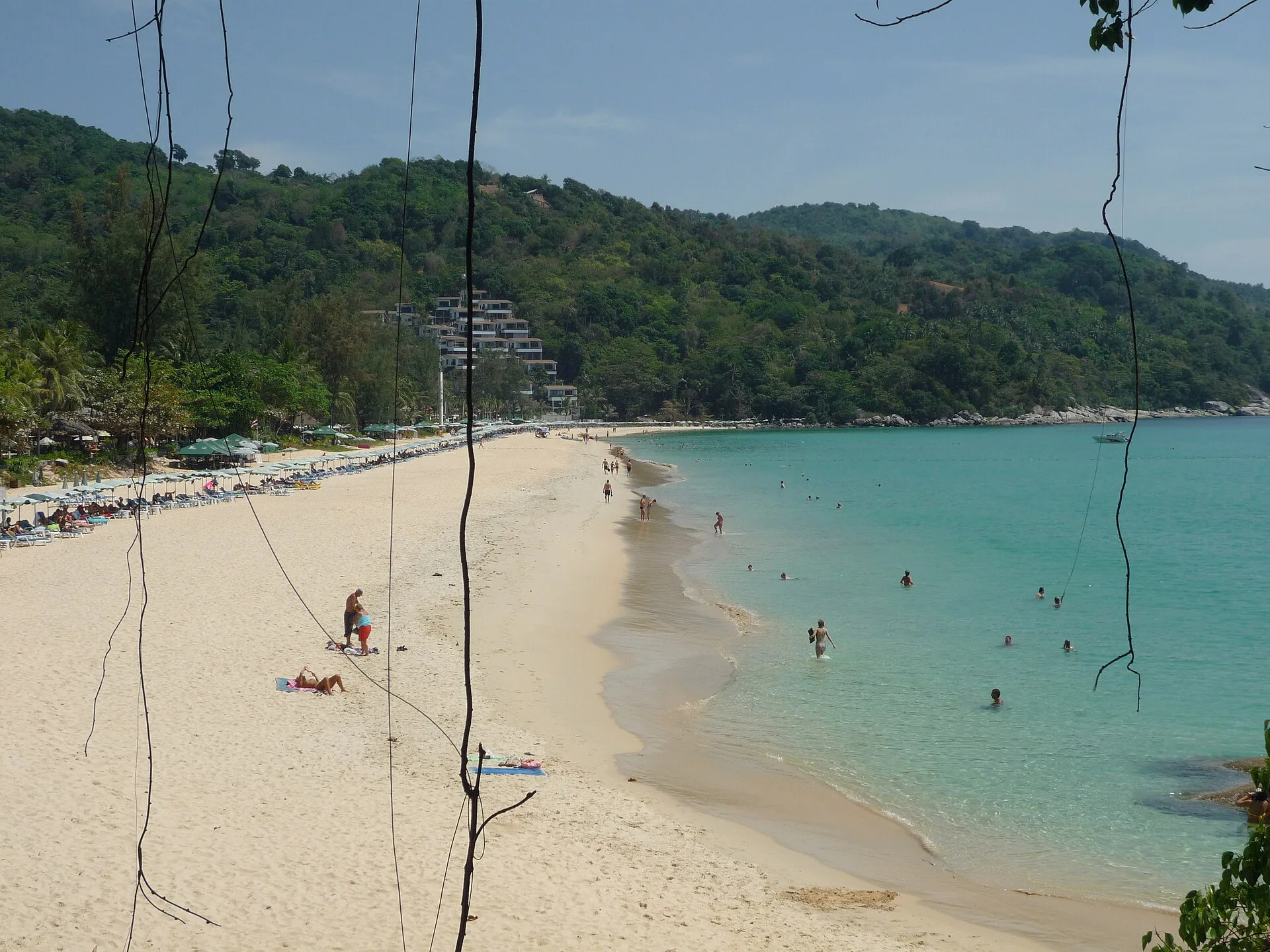
Bangkok, Chiang Mai and Andaman-coast destinations such as Phuket, Krabi and Koh Lanta are often considered for this period. The Gulf islands follow a different weather cycle, so do not assume that every beach region has identical conditions. Demand can also be high, so compare transport and accommodation availability before fixing the route.
Regional weather in January and February
Bangkok is generally hot, and daytime temperatures can exceed 30 degrees Celsius. Cloud, humidity and rain are still possible. Starting active sightseeing in the morning and keeping a flexible afternoon plan can make the day easier for children.
Conditions in the south depend on the coast and the day. Phuket, Krabi and Koh Lanta often have favourable seasonal conditions, but sea state and local forecasts still determine whether a boat trip operates safely.
In the north, in Chiang Mai and Chiang Rai, mornings can be cooler. It’s a good option for families who don’t want to spend all their time at the beach. However, on a short trip, be careful not to add too many flights.
The best plan for a winter break in Thailand means visiting fewer places and making the most of them. A short trip leaves little room for a chaotic itinerary.
Where to go in Thailand for a winter break: comparing regions
Your choice of region should depend on the children’s ages, your budget and the length of your stay. A week calls for a different plan than a full fourteen days. The table below shows practical differences between popular destinations.
| Region | Best for | Main advantages | Things to consider |
|---|---|---|---|
| Bangkok | Families who enjoy sightseeing and comfortable hotels | Temples, food, shopping, boat trips, easy transfers | Heat, traffic and the city’s fast pace |
| Phuket | Families looking for beaches and extensive facilities | Wide choice of hotels, beaches, boat trips | Higher prices and larger crowds in high season |
| Krabi | People who enjoy scenery and boat trips | Cliffs, islands, Railay, Four Islands boat trips | Fewer large resorts than in Phuket |
| Koh Lanta | Families who value peace and long beaches | Relaxed atmosphere, sunsets, an easygoing pace | Longer transfer from Krabi Airport |
| Chiang Mai | Families looking for culture, nature and a milder climate | Temples, mountains, ethical elephant parks, cuisine | No beaches and an additional domestic flight |
| Koh Samui | Families looking for an island with comfortable resorts | Hotels, beaches, waterfalls, easy island sightseeing | Weather can be less predictable than in the Andaman region |

For a first trip, the simplest option is Bangkok plus Phuket or Bangkok plus Krabi. This route gives you a contrast between city and beach. It also avoids complicated logistics.
If a peaceful break is your priority, consider limiting your itinerary to one beach region. Thailand with children in winter doesn’t have to mean sightseeing every day. Sometimes a hotel with a pool, a beach and two good day trips are a better choice.
How to plan a winter break in Thailand, step by step
The most common mistake is planning too much. Families want to see Bangkok, Chiang Mai, Phuket, Phi Phi and Krabi. But with twelve nights, this itinerary quickly becomes exhausting.
- Set a realistic number of nights: subtract your arrival and departure days. After a long flight, you’ll need time to rest.
- Choose no more than two main regions: for example, Bangkok and Krabi. This means less packing and fewer transfers.
- Book your domestic flight with enough time between connections: don’t schedule a connection at the last minute. Thailand is easy to get around, but delays happen.
- Plan around the children’s energy levels: schedule the most demanding sightseeing for the morning. Save the afternoon for the pool, a massage or a relaxed walk.
- Don’t change hotels every two nights: each move takes half a day. For a family, this is often the biggest hidden cost.
- Add a buffer before your international flight: avoid relying on a tight same-day ferry, domestic flight or long road transfer. This reduces stress and the risk of a missed connection.
For a break of about two weeks, a good plan is three nights in Bangkok and eight to ten nights in the south. The children will get to see Thailand without spending all their time on the move.
A 10-day family itinerary
For a shorter trip, keep things simple. Two nights in Bangkok are enough for temples, a boat trip and an evening market. Then you can fly to Krabi or Phuket.
On the beach, seven nights in one hotel works well. You can take one island trip during that time. Set aside another day for local sightseeing at a relaxed pace.
A 14-day family itinerary
With a full winter break, you can add a third stop. One option is Bangkok, Krabi and Koh Lanta. Alternatively, you could combine Bangkok, Chiang Mai and Phuket.
This itinerary needs to be planned in the right order. It’s best to start in Bangkok, then go sightseeing or fly north. Save the beach for the end, as it offers the best rest before your return journey.
Things to do in Thailand with children during the winter break
Your itinerary should balance activities with downtime. Children tire quickly in the heat, traffic and crowds. It’s better to choose shorter activities and plan them well.
- Bangkok with children: temples, a river cruise, a rooftop, an aquarium, markets and parks.
- Boat trips: Phi Phi, Four Islands, Hong Islands or James Bond Island.
- An ethical elephant encounter: choose places that don’t offer elephant rides or shows.
- Cooking class: a good activity for older children and teenagers.
- Snorkelling: best when the sea is calm and visibility is good.
- Night markets: a relaxed way to have dinner and experience the local atmosphere.
- Water parks: a great break from sightseeing and the beach.
- Thai massage: a relaxing option for adults; a foot massage is usually better for children.
Keep in mind that not every well-known attraction suits families. Some boat trips are long and crowded. With young children, it’s better to choose a shorter route or a private boat.
A good rule is to plan one major activity per day. You can sightsee in the morning and relax afterwards. That way, a winter holiday in Thailand won’t turn into a race.
Cost of a winter break trip to Thailand
January and February can be expensive in popular destinations because demand is often high. The largest costs usually include international travel, family accommodation, domestic transport and organised activities.
Booking earlier can improve the choice of flight times, room layouts and locations, but it does not guarantee the lowest price. Compare change and cancellation terms as carefully as the headline rate.
Your budget also depends on travel style. A family can choose simple hotels and local restaurants or combine a resort with private transfers and a tailored itinerary. AsiaTrip English-language tours are arranged for one private closed group of 4 to 20 guests. Unrelated customers are not combined, and each quotation is prepared individually in THB.
During the winter break, the cheapest plan doesn’t win. The best plan saves time, stress and unnecessary journeys.
Where you can realistically save
The easiest way to save is to change hotels less often. Every transfer costs money and energy, so it’s better to stay longer in one place.
Meals are another area where you can save. Local Thai food is tasty and often cheaper than hotel restaurants. With children, though, it’s useful to stay near shops and trusted restaurants.
Don’t cut costs on location. A cheap hotel far from the beach can mean daily transport expenses. It also makes the trip less convenient, which matters a lot during a short break.
What to pack for a winter break in Thailand
Packing for tropical Thailand requires lightweight clothing and protection from sun, heat and mosquitoes. If your journey starts in a cold climate, keep a compact warm layer accessible for the airport journey and flight.
The essentials are lightweight clothes, a hat, sunglasses and high-SPF sunscreen. For children, pack UV shirts. They make it easier to avoid sunburn while snorkelling.
Temples require covered shoulders and knees. This applies to adults and older children. A lightweight scarf or breathable trousers will come in handy.
Bring enough prescribed medication for the trip, together with any documents required for it. A small travel kit, oral rehydration supplies, plasters and insect repellent can be useful. Ask a qualified clinician or pharmacist for advice appropriate to each traveller rather than relying on a generic packing list.
Documents and formalities before departure
Visa and passport rules depend on nationality, passport type, trip length and purpose. Check the current requirements for every traveller, including children, through the official Thai e-Visa service or the relevant Thai embassy before booking non-refundable travel.
Passports must meet the rules that apply to the traveller and should be in good condition. Suitable travel insurance should reflect the planned activities and any existing medical needs. Read the exclusions, excess and assistance procedure before departure.
All non-Thai nationals, including children, must currently submit a Thailand Digital Arrival Card for each entry. The official guidance says it can be submitted within three days before arrival, including the arrival date. Use the official TDAC website, which does not charge a submission fee. Keep accessible copies of travel documents and the address of the first accommodation.
Common mistakes when travelling to Thailand during the winter break
The first mistake is treating Thailand as a small country. Distances are long, and transfers can take a whole day. A flight, ferry, bus and hotel check-in can quickly tire out the whole family.
The second mistake is leaving important bookings until the last moment. January and February attract travellers from many countries, so the most convenient family rooms and transport times may have limited availability.
The third mistake is not having a plan for the first day. After the flight, children may be tired while adults want to start sightseeing straight away. It’s better to plan an easy walk, a swim and an early night.
The fourth mistake is not protecting yourself from the sun. The sun is strong in January and February. Sunburn can spoil several days of your trip.
The fifth mistake is choosing activities based only on social media. Popular places can be beautiful but crowded. Ask about the times, conditions and actual duration of a trip before booking.
FAQ: frequently asked questions about “Thailand winter break”
Is Thailand a good winter break destination for families with children?
It can be a good choice when the route, pace and activities suit the children. Seasonal conditions are often favourable in several regions, but weather is never guaranteed. Check health, safety, entry and insurance requirements for the individual family.
How many days should you set aside for a winter break in Thailand?
About ten days, including flights, is the minimum. Twelve or fourteen days makes for a more comfortable trip. This gives you time to combine Bangkok with the beach without rushing.
Phuket or Krabi for a winter break with children?
Phuket is better for families who want extensive facilities and a wide choice of hotels. Krabi appeals to people looking for scenery, cliffs and boat trips. Both destinations are a good fit for a winter break.
Does it rain in Thailand in January and February?
Yes. Rain can occur anywhere, and the two coasts do not follow exactly the same seasonal pattern. January and February are often drier in several popular regions, but check the regional forecast and sea conditions close to the travel date.
Should you book a winter break in Thailand well in advance?
It is sensible to compare options early when travelling as a family, especially if room layout, school dates or specific transport times matter. Before paying, review change and cancellation terms and avoid assuming that earlier always means cheaper.
Summary
- Thailand for a winter break: a great option for anyone looking for sunshine, beaches and an exotic destination.
- January and February: often favourable in several regions, but conditions differ by coast and year.
- Bangkok plus one beach region: a straightforward first-trip structure with fewer transfers.
- Fewer transfers: more relaxation and less stress for the whole family.
- Planning early: a wider choice of suitable rooms and transport times, with terms checked before payment.
If you’re planning a winter break in Thailand, start by choosing your region and number of nights. Then select hotels, transfers and activities to suit the children’s ages. The result will be a relaxed, well-organised trip that’s worth the cost.
No comments