

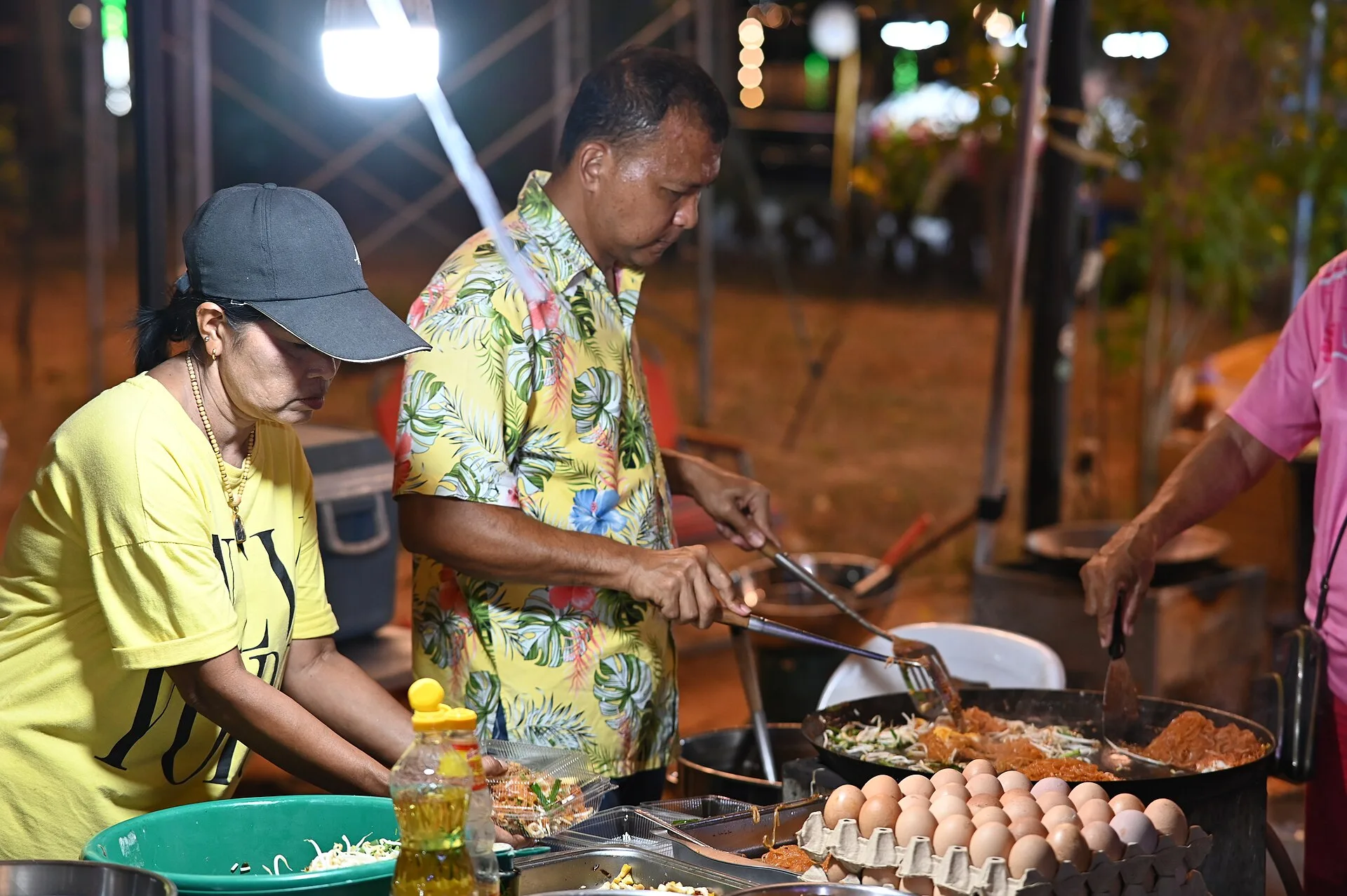
Cooking classes in Thailand are one of the best activities for people who want to discover the country beyond its temples, beaches and markets. In these workshops, you learn about Thai flavours, techniques and basic cooking principles. You return from your trip with a practical skill, not just photos.
This guide gives you practical information about what a Thai cooking class is like, where to take one, and how classes in Bangkok, Chiang Mai, Phuket, Krabi and the islands differ. You will also learn how much time to set aside, what to expect and how to avoid common mistakes when choosing a school.
The greatest value of this experience is the opportunity to learn how local ingredients and techniques work together. A good instructor will show you more than a pad thai or curry recipe. They can explain why galangal is used, how sweet, sour, salty and spicy flavours are balanced, and why the same dish may taste different outside Thailand.
Cooking Classes in Thailand: What to Expect
A cooking class in Thailand usually lasts from a few hours to a full day. It most often begins with a brief introduction to the dishes and ingredients. Participants then prepare several dishes under the guidance of a local chef or instructor.
A typical programme includes a noodle dish, soup, curry, salad and dessert. Pad thai, tom yum, green curry, papaya salad and mango sticky rice are common choices. Many schools also let you choose your own set of dishes before the class begins.
The best workshops involve more than chopping vegetables. The instructor explains how flavour works in Thai cooking. You learn the role of lime, fish sauce, palm sugar, coconut milk and fresh herbs.
Why Thai Food Is Good to Learn to Cook
Thai food is highly aromatic, but its basic techniques are quite accessible. Many dishes are prepared quickly over high heat, so you can see the results almost immediately.
First, the recipes follow recurring principles. Lime or tamarind usually provides sourness. Palm sugar adds sweetness. Fish sauce brings saltiness, while fresh chilli adds heat.
Second, many Thai dishes are practical to recreate at home. Some fresh ingredients may be difficult to find outside Thailand, but Asian grocery shops and specialist online stores often stock useful alternatives.
A good cooking class in Thailand teaches more than a recipe. It helps you understand flavour, proportions and the pace of Thai cooking.
Where to Take a Cooking Class in Thailand: Cities, Islands and Class Styles
Choosing the right location matters. A cooking class in Thailand can feel quite different in a big city, in the north of the country or on a tropical island. It is worth choosing a workshop that fits your itinerary.
| Location | Best for | Typical class style | Main advantage |
|---|---|---|---|
| Bangkok | People with a short stay and a busy itinerary | Lively classes, often including a market visit | A wide choice of schools and easy access |
| Chiang Mai | People who prefer a more relaxed pace | Homely atmosphere, herb garden and local ingredients | A broad choice of relaxed, hands-on classes |
| Phuket | Travellers combining beach time with activities | Shorter classes, often focused on popular dishes | Easy to fit into a holiday |
| Krabi | People looking for a laid-back atmosphere | Small groups, simple menus and a local feel | A good addition to island trips |
| Koh Samui | Couples and families on holiday | Half-day classes, often with hotel pick-up | Convenience and a holiday feel |

Bangkok is a good choice when you are short on time. You can fit a class in between visits to temples, Chinatown and night markets. Traffic can make the journey longer, though, so it is better to choose a school near your hotel.
Chiang Mai has a more intimate feel. Many schools operate in homes, gardens or on the outskirts of the city. It is a great choice if you want to take your time learning about the ingredients and prefer to avoid a rush.
On the islands, cooking classes usually have more of a holiday feel. They are often shorter, but still a lot of fun. They are a good fit for a day of rest after time at the beach, a dive or a boat trip.
How to Choose a Good Cooking Class in Thailand, Step by Step
Your choice should not depend on price alone. A Thai cooking class can be a wonderful trip souvenir, but it can also disappoint if the group is too large or the programme feels rushed.
- Check the group size: A smaller group gives you more time to ask questions. You also get more chances to cook yourself instead of just watching.
- Choose the menu before booking: Make sure the class includes dishes you really want to learn about. It is best if the school offers several options.
- Look for a market visit: A market tour helps you understand the ingredients. This is especially useful on your first trip to Thailand.
- Check the language of instruction: Many classes marketed to international visitors use English, but confirm the teaching language and the level of explanation before booking.
- Ask about vegetarian options: Many schools can prepare meat-free options, but it is worth confirming this in advance.
- Compare locations: Travel time across a city can matter more than a small difference in the class fee. In Bangkok, check the route from your hotel before booking.
- Check whether you will cook yourself: A good class gives you your own workstation. In a less hands-on class, participants may end up as spectators.
- Check what the price includes: Confirm whether the fee covers ingredients, the prepared dishes, instruction, transport and a recipe booklet or digital file.
First, look at how actively participants take part. The best schools let you chop, stir, fry and season. That way, you learn by doing.
Second, ask about the level of heat. Thai cooks often adjust the chilli for tourists, but the instructor should explain how to control the spiciness yourself.
Third, consider the pace of the class. A programme that moves too quickly may include many dishes but offer little learning. It is better to prepare four dishes carefully than six in a rush.
What You Will Cook in a Thai Cooking Class: Popular Dishes and Ingredients
The menu is at the heart of the workshop. A Thai cooking class usually introduces you to the main categories of dishes. You get to learn about noodles, curry, soup, salad and dessert.
- Pad thai: Stir-fried rice noodles with egg, tofu, prawns or chicken. It is a good dish for learning to balance sweet, sour and salty flavours.
- Tom yum: An aromatic soup with lemongrass, galangal and makrut lime leaves. It teaches you how to work with herbs and sour flavours.
- Green curry: A creamy curry made with coconut milk. It shows you how to use curry paste and avoid overheating the sauce.
- Massaman curry: A milder curry with Muslim influences. It is a good choice for people who do not like very spicy food.
- Som tam: A green papaya salad. It is a great example of the Thai balance between chilli, lime, sugar and fish sauce.
- Mango sticky rice: A dessert made with sticky rice, mango and coconut milk. It teaches you about simplicity and the importance of quality ingredients.
- Spring rolls: Fried or fresh spring rolls. They often feature in classes for beginners and families.
It is worth choosing a class that shows you how to make curry paste from scratch. This helps you understand where the flavour comes from. Pounding chilli, garlic, galangal and lemongrass offers a very different experience from using ready-made paste.
A good instructor will also explain sensible substitutions for ingredients that may be difficult to find in your home country, such as fresh green papaya, Thai basil or small Thai aubergines.
Proportions matter most, though. Thai food does not rely on fixed gram measurements. Tasting, adjusting and finding the right balance matter more.
Cooking Classes in Bangkok, Chiang Mai and the Islands: What Is Different
Bangkok offers the widest choice. You will find stylish cooking schools, local workshops and short classes for travellers. It is a good place to choose a class that fits a specific time slot.
Classes that include a market visit are especially worthwhile in the capital. The instructor can show you fresh herbs, curry pastes, sauces, fruit and different types of rice. An ordinary market becomes a hands-on lesson in Thai cooking.
Chiang Mai is more relaxed. Classes often take place in homes outside the city centre. Some schools have their own gardens, where lemongrass, Thai basil, chilli and pandan grow.
Cooking Workshops in Northern Thailand
Northern Thailand has its own cuisine and flavour profile. In Chiang Mai, you may come across dishes that are not on standard menus in the south. Khao soi, a curry noodle soup, is a good example.
These classes are a good fit for people looking for more than classic dishes from tourist menus. The atmosphere is often more family-like, and you may have more time to talk with the instructor.
Cooking Classes in Phuket, Krabi and Koh Samui
Convenience matters on the islands. Many schools offer hotel pick-up or morning classes. This leaves you free to plan a beach visit or a massage for the afternoon.
The menus tend to focus on popular dishes that are suitable for beginners. Pad thai, curry, soup and dessert are common. You may also want to look for a class that includes seafood dishes.
The best place for a class depends on your itinerary. Bangkok offers choice, Chiang Mai has atmosphere, and the islands offer convenience.
How Much Does a Cooking Class in Thailand Cost, and What Is Usually Included?
Prices depend on the city, class length, group size and what the school includes. A short workshop and a full-day class with transport are different products, so compare the full programme rather than the headline amount. A private cooking class in Thailand may offer more flexibility, but the exact arrangements depend on the provider.
The price most often includes ingredients, instruction, the prepared dishes and water. A recipe booklet or PDF is often included too. Some schools also provide pick-up from hotels in a designated area.
Check whether the class includes a visit to a local market. This can add a lot of value to the workshop and introduce you to ingredients you may not have seen before.
When Is It Worth Paying More for a Private Workshop?
A private class can suit a family, a group of friends or someone with dietary requirements. Ask the provider whether the pace, menu and heat level can be adapted. If anyone in your group is not confident in English, confirm the teaching language before paying.
Paying more can also make sense if you have specific dishes in mind. You can ask to make curry from scratch, or focus on seafood or vegetarian dishes. Group classes may offer a more limited choice.
You do not always need to choose the most expensive option. Reviews, the programme and how much hands-on cooking is involved matter most. A good local school can provide a better experience than a stylish class that lacks atmosphere.
Who Will Enjoy a Thai Cooking Class Most?
Cooking workshops in Thailand suit many kinds of travellers. They are an activity for couples, families, solo travellers and groups of friends. You do not need to be especially fit or have any previous cooking experience.
For couples, it is a pleasant way to spend a day together. Instead of going out for another restaurant dinner, you prepare a meal together. A class can be a good fit for a honeymoon or a romantic getaway.
For families, a class can be an enjoyable break from sightseeing. Children usually enjoy stirring, rolling spring rolls and trying mango with rice. Make sure to choose a school that welcomes children.
A Cooking Class for Vegetarians
Thailand has plenty of plant-based food, but you need to be clear about your requirements. Fish sauce, shrimp paste and stock can appear even in dishes without meat. It is best to choose a school familiar with vegetarian cooking.
Ask about tofu, soy sauce, shrimp-free curry paste and a separate workstation. This helps avoid misunderstandings. The instructor can also show you how to preserve flavour without animal-based ingredients.
Is a Cooking Class Suitable for Beginners?
Yes, most classes are designed for beginners. The instructor demonstrates chopping, frying and seasoning step by step, so you do not need to know how to cook before your trip.
Curiosity and a willingness to try are more important. Thai flavours are intense, but you can adjust the heat. A good class gives you room to ask questions and work at your own pace.
Common Mistakes When Booking a Cooking Class in Thailand
The first mistake is choosing a class based only on the lowest price. Inexpensive classes can be good, but not always. Sometimes they involve a large group, a fast pace and little hands-on cooking.
The second mistake is booking without checking the location. In Bangkok, crossing the city can take a long time, so a class on the other side of town may disrupt your day.
The third mistake is ignoring the menu. If you do not like spicy food or seafood, check the options in advance. Many schools can change ingredients, but they need to know before the class begins.
How to Spot a Less Suitable Class
Be cautious about classes that only describe the number of dishes. The number alone says nothing about quality. What matters more is whether participants cook for themselves and whether the instructor explains the ingredients.
A lack of information about group size is another poor sign. If the school does not state a maximum number of participants, the class may be too crowded. It can then be harder to ask questions and observe the techniques.
It is also worth checking whether the school provides recipes after the class. Without notes, it can be difficult to recreate the dishes at home. A booklet or recipe file is a practical extra.
FAQ: Cooking Classes in Thailand
Do you need to book a cooking class in Thailand in advance?
Availability varies by school, destination and season. If a particular menu, date, teaching language or dietary arrangement matters to you, confirm it directly with the provider before finalising the rest of your day.
How long does a typical cooking class in Thailand last?
Most classes last from three to six hours. Morning classes often include a market visit. A full-day class gives you more time to learn at a relaxed pace and cover a wider menu.
Can you eat the dishes you prepare in a cooking class?
Yes, you usually eat all the dishes prepared during the class. It is best not to have a large meal just beforehand. In practice, the workshop often serves as lunch or dinner.
Is a Thailand cooking class suitable for children?
Yes, but choose the right school. Shorter classes and milder menus are usually best. It is also worth asking about the minimum age for participants.
Can I take a Thai cooking class without knowing English?
Basic English is helpful in many visitor-focused classes, but teaching languages vary. Demonstrations can make techniques easier to follow, while a private class may allow the pace to be adapted if the provider confirms this in advance.
Summary
- A Thailand cooking class is a hands-on activity that helps you discover the country through its flavours, ingredients and local customs.
- Best location: Bangkok offers choice, Chiang Mai has a relaxed atmosphere, and the islands are convenient during a holiday.
- Key things to check: group size, menu, location, language and how much hands-on cooking is involved.
- Best dishes to learn: pad thai, tom yum, green curry, som tam and mango sticky rice introduce the basics of Thai cooking.
- A great souvenir: after the class, you will have a skill you can use when you get home.
If you are planning a trip to Thailand, a cooking class in Thailand can add a practical cultural experience to your itinerary. Check the provider, menu, teaching language, allergy procedures, location and cancellation terms before booking.
AsiaTrip arranges private itineraries for one private closed group of 4 to 20 guests. Unrelated customers are not combined. Each itinerary is quoted individually in THB, and there is no public EN price list. A cooking class is included only when it is confirmed in your individual programme. To plan the wider trip, compare private day tours, review private multi-day tours, read the guide to independent travel and tour operators, or contact AsiaTrip.
No comments