

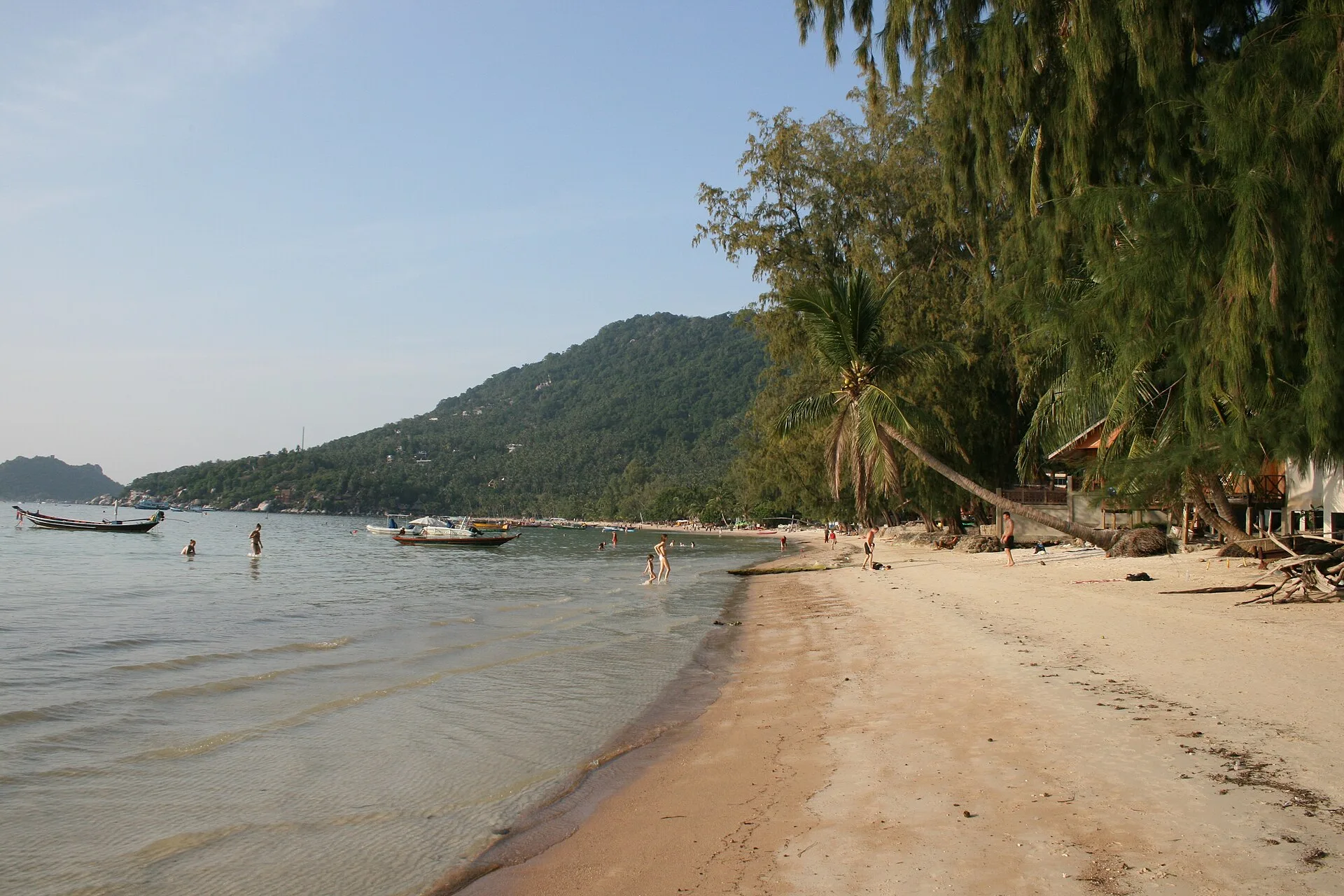
Koh Tao diving: a complete guide to courses, dive sites and planning your trip
Koh Tao diving is one of the most popular topics among people planning an active trip to Thailand. The island lies in the Gulf of Thailand and is known for its many dive schools, warm water and good conditions for beginners. That is why many people choose to take their first Open Water course here.
This guide covers courses, dive sites, prices, the season, safety and how to choose a school. You will also find out who Koh Tao suits best and when it may be better to consider another island. The article will help you plan your trip without confusion or last-minute decisions.
Koh Tao’s greatest strength is the combination of an easy start and a wide choice of dive sites. You can make your first descents here, then head out to more challenging reefs and deeper pinnacles a few days later. That makes the island a good fit for both students and certified divers.
Koh Tao diving: why the island is so popular
Koh Tao diving became well known mainly because of its highly developed training infrastructure. Many dive centres operate on this small island, making it easy to compare courses, instructors’ languages, group sizes and teaching styles.
The island also has natural advantages. The water is warm for most of the year, and many dive sites are relatively close to shore. This makes logistics straightforward. A morning boat trip, two dives and a return before lunch are part of the usual daily routine here.
For beginners, feeling at ease is important. Koh Tao offers shallow bays, calmer dive sites and a gentle introduction to diving. More experienced divers, meanwhile, can choose deeper sites, wrecks and trips farther afield.
Who Koh Tao is best for
Koh Tao is best suited to people who want to combine learning with a holiday atmosphere. It is a good choice for couples, friends and solo travellers. The island also works well for a longer stay if you do not want to rush your dives.
If you want a relaxed course, choose a school with private closed groups of 4 to 20 guests. It is also worth asking how many students there are per instructor. Sometimes the difference in quality comes down to how lessons are organised, rather than the price.
Koh Tao is more than just a place to get a cheap certification. It is an island where you can learn at a relaxed pace, with care and without time pressure.
The best dive sites on Koh Tao and their difficulty levels
The choice of site depends on the weather, currents, experience and the school’s programme. That is why boats do not go to the same place every day. The table below shows the main sites that often feature in dive plans.
| Dive site | Suitable for | Depth and character | What you might see |
|---|---|---|---|
| Japanese Gardens | Beginners and students | Shallow reef, calm conditions | Reef fish, corals, good visibility in good weather |
| Twins | Beginners and Open Water divers | Gently sloping rock formations, easy navigation | Tropical fish, sandy bottom, a good training site |
| White Rock | Beginners and intermediate divers | Large area with varied depths | Turtles, barracudas, moray eels, night dives |
| Shark Island | Intermediate divers | Reef around a rocky islet, currents are possible | Corals, schools of fish, interesting topography |
| Chumphon Pinnacle | Advanced and experienced divers | Deeper pinnacle, often below 25 metres | Barracudas, trevally, sometimes whale sharks |
| Southwest Pinnacle | Advanced and confident divers | Granite formations and greater depths | Schools of fish, larger pelagic species, sometimes whale sharks |
| HTMS Sattakut | Advanced and wreck divers | Wreck at greater depth | Wreck, fish, deeper diving practice |
| Sail Rock | Intermediate and Advanced divers | Longer trip, spectacular pinnacle | Large schools of fish, a rock chimney, a chance to see larger species |

The easiest sites are usually chosen for beginner courses. That is why Japanese Gardens, Twins and White Rock often feature in Open Water programmes. Chumphon Pinnacle, Southwest Pinnacle and Sail Rock are better suited to divers with more experience.
Diving on Koh Tao is not just about ticking off site names. The most important factor is the conditions on the day. A good instructor chooses a site to suit the group’s level, rather than the impressive description in a brochure.
What to expect from a Koh Tao diving course, step by step
A beginner course usually takes three or four days. The programme depends on the training organisation, the school and the group’s pace. The overall structure, however, is similar. First you learn the theory, then practise in shallow water, and finally complete training dives.
- Choosing a dive school: check reviews, the instructor’s language, group size and the condition of the equipment. Do not choose based on the lowest price alone.
- Theory and preparation: you learn the basics of pressure, equipment, communication and safety procedures. Some schools offer online study before you arrive.
- Shallow-water practice: you learn to breathe through a regulator, clear your mask and control your buoyancy. This is a key step in helping you feel comfortable.
- First open-water dives: you complete dives with an instructor. The depth increases gradually and depends on the course programme.
- Exam and certification: after passing the theory and skills assessments, you receive a certification. It allows you to dive recreationally in many places around the world.
The most popular course is Open Water. It gives you basic certification and teaches you to think independently underwater. Many people go on to take Advanced Open Water, which allows them to dive deeper and get to know different types of diving.
Is Discover Scuba enough for a first dive?
Discover Scuba, or a try dive, is a good option if you are unsure. It does not provide full certification, but it lets you see how you respond underwater. It is a good choice if you have little time or are not sure whether you will enjoy diving.
If you are planning more trips, an Open Water course makes more sense. First, it gives you recognised certification. Second, it teaches procedures that improve safety. Third, it is usually better value if you plan to do several dives.
What to bring for diving on Koh Tao and how to prepare
Getting ready does not have to be complicated. You can get most of your equipment at the dive centre. A few personal items can still make you more comfortable, especially when it comes to sun protection, hydration and rest.
- Swimsuit or rash guard: a rash guard protects your skin from the sun and rubbing against your wetsuit.
- Quick-dry towel: useful on the boat and when you return to the centre.
- Water and electrolytes: the heat and salt water can quickly wear you out.
- Reef-safe sunscreen: choose products that are safer for the reef and use them sparingly.
- Motion sickness tablets: consider them if you do not travel well by boat.
- Logbook or diving app: record the sites, depth, time and conditions.
- Light jacket: it may feel cooler after a dive and in the wind.
- Diving insurance: check that it covers recreational diving and evacuation.
Avoid alcohol before diving. Make sure you sleep and eat well, too. A big night out before an early boat trip is a bad idea. Underwater, calm, steady breathing and a clear head matter.
Diving equipment on Koh Tao is usually included in the course or fun dive price. Even so, check the mask, BCD, regulator and fins. If anything does not fit, say so before boarding the boat.
Season, weather and underwater visibility on Koh Tao
You can dive on Koh Tao for most of the year, but conditions are not the same every month. Visibility, waves and comfort on the boat depend on the season, wind and local weather changes.
The months from March to September are often considered a very good period. The sea can be calmer then, and visibility can be excellent. Tropical weather, however, can never be guaranteed.
The wetter period in the Gulf of Thailand usually comes later than on the west coast. That is why Koh Tao can be an interesting alternative when Phuket or Krabi are in a less favourable season. Even so, always check current conditions before booking.
When are whale shark sightings more likely?
Whale sharks are a dream sighting for many divers. On Koh Tao, they are sometimes seen at sites such as Chumphon Pinnacle, Southwest Pinnacle and Sail Rock. Sightings cannot be promised, though. These are wild animals, not a scheduled attraction.
The most sensible approach is to treat a sighting as a bonus. Choose a good season, plan several dives and do not build your entire trip around one species. That way, you can still have a great trip without an extraordinary encounter.
The best dive is not always the one with the rarest animal. Often, what matters most is staying calm, having good buoyancy and paying close attention to the reef.
Course and fun dive prices on Koh Tao in practice
Koh Tao is considered one of the more affordable places to train in Thailand. Prices depend on the school, certifying organisation, group size and package. That is why it is better to compare more than just the figure on a poster.
An Open Water course often costs around 11,000-13,000 THB. The price usually includes equipment, an instructor, theory and training dives. Some schools also include accommodation, online materials or photos. Always ask exactly what the package covers.
Fun dives for certified divers are usually charged per dive or as a package. The more dives you buy, the lower the price per dive may be. Longer trips, such as Sail Rock, may cost more.
What not to economise on
Do not economise on safety, the instructor or group size. A low-cost school may be good, but a low price should not be the only reason you choose it. Ask about emergency procedures, oxygen on the boat and the staff’s experience.
A Koh Tao diving course should give you skills, not just a plastic card. Choose a place where you feel confident. If the conversation at the centre is chaotic, look for another school.
A clear explanation of the programme is a good sign. So is a willingness to answer your questions. An instructor should not dismiss beginners’ concerns. For many people, taking their first breath underwater is a powerful experience.
Safety, health and responsible diving practices
Safety starts before you enter the water. Tell your instructor about any medical conditions, medications and previous ear problems. Do not hide asthma, heart problems or recent procedures. If there is any doubt, you may need to consult a doctor.
The most common issue for beginners is equalising the pressure in their ears. Do not dive with an infection, a cold or blocked sinuses. Never force a descent underwater. It is better to stop than risk an injury.
After diving, leave enough time before flying. The standard guidance is to wait at least 18 hours after multiple dives. If you have a demanding dive schedule, leave a full day. This helps reduce the risk of decompression problems.
Responsible behaviour around the reef
Do not touch corals, turtles or fish. Do not stand on the reef, and keep track of your fins. Do not feed the animals, either. This behaviour harms the ecosystem and teaches fish harmful responses.
Safe diving requires buoyancy control. It is more than a technical skill. Good buoyancy protects the reef, reduces air consumption and helps you feel calmer. That is why it is worth practising from your first lessons.
If you have a camera, master your buoyancy first. Beginners often focus on taking photos and lose control of their position. Dive well first. Then start filming.
FAQ: the most frequently asked questions about “Koh Tao diving”
Is Koh Tao a good place for a first diving course?
Yes, Koh Tao is a very good place for a first course. The island has many schools, warm water and plenty of easy dive sites. Beginners can learn without too much pressure. Choosing a good school and a private closed group of 4 to 20 guests is still important.
How many days should I set aside for an Open Water course?
You usually need three or four days. You can complete some of the theory online before you arrive, leaving more time for diving on the island. Do not schedule your course right before your flight, though.
Can you dive on Koh Tao without certification?
You can choose a try dive with an instructor. This programme does not provide full certification, but it is a good way to find out whether you feel comfortable underwater. If you want to dive more often, an Open Water course is a better option.
When is the best time to go diving on Koh Tao?
The months from March to September are often considered a very good period. The sea can be calmer and visibility better then. Conditions depend on the weather and local currents, so it is a good idea to allow a few extra days.
Can you see a whale shark on Koh Tao?
Yes, there is a chance, especially at deeper sites. Chumphon Pinnacle, Southwest Pinnacle and Sail Rock are the sites most often mentioned. A sighting cannot be guaranteed, though. It is best to treat one as a special bonus.
Summary
- Koh Tao diving: a great choice for people who want to take their first course in Thailand.
- Best dive sites: Japanese Gardens and Twins are good places to start, while Chumphon Pinnacle and Sail Rock are better for more experienced divers.
- Open Water course: usually takes three or four days and provides basic diving certification.
- Diving season: the best conditions are often from March to September, although the weather can change.
- Safety: choose your school carefully, look after your health and do not dive before flying.
- Responsibility: do not touch the reef, feed animals or neglect buoyancy control.
If you are planning a trip to Thailand and want to add something beyond beaches, diving on Koh Tao can be a highlight of your itinerary. It is best to plan at least a few days on the island. That gives you time to take your course without rushing, rest between dives and experience the underwater world of the Gulf of Thailand.
Read also: Phuket tours.
No comments