

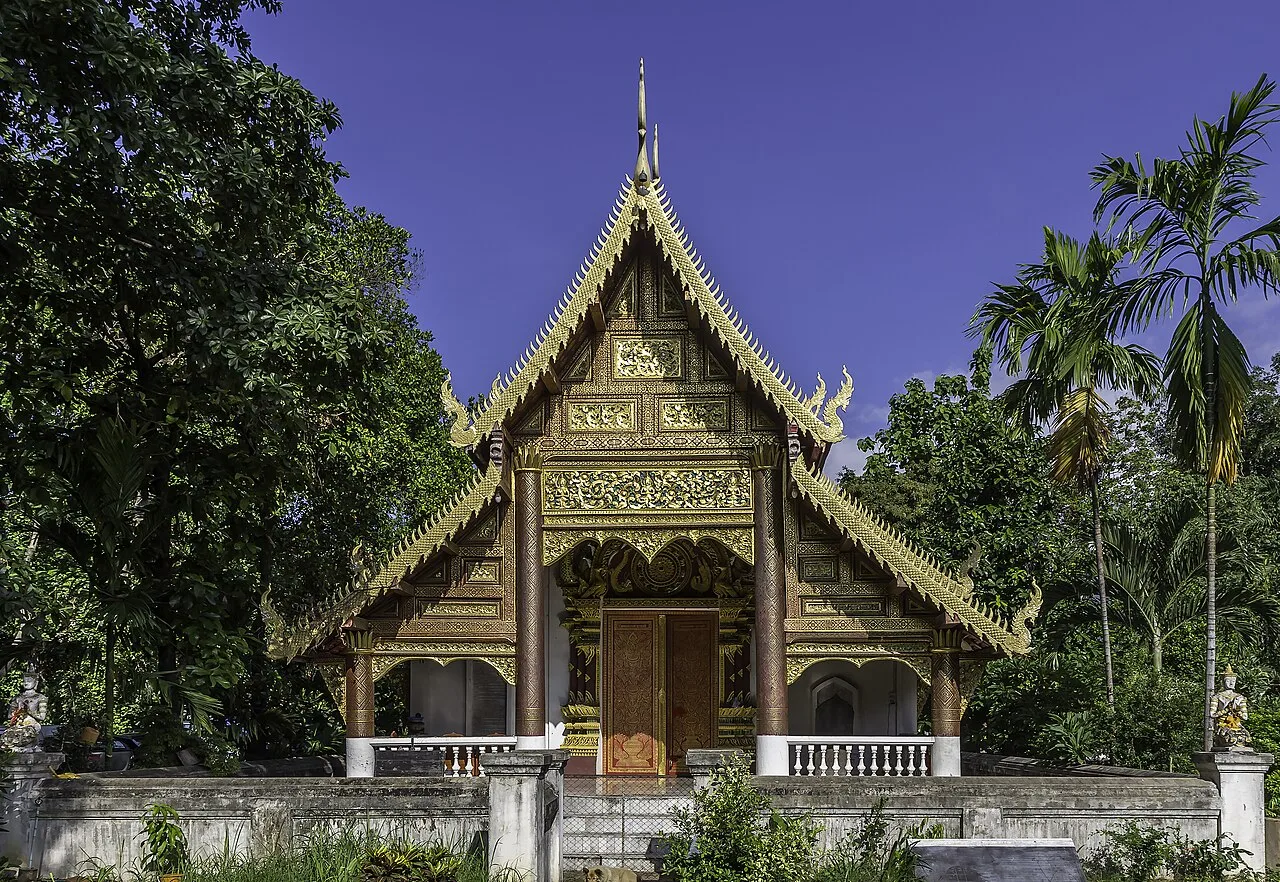
Chiang Mai attractions: the most beautiful places, temples and trips in northern Thailand
Chiang Mai attractions offer a completely different world from Bangkok, Phuket or Pattaya. Here, Thailand is quieter, greener and closely connected to Lanna culture. In one place, you’ll find golden temples, mountain viewpoints, night markets, waterfalls and local craft workshops.
This guide will help you choose the key places without feeling overwhelmed. You’ll learn what to see in the city, where to go beyond the centre and how to plan 2, 3 or 5 days. You’ll also find a table of attractions, a list of priorities and practical tips for your first trip.
Chiang Mai’s greatest strength is its variety. In the morning, you can visit an old temple, head into the mountains in the afternoon and have dinner at a market in the evening. That’s why it’s best to plan Chiang Mai attractions around your pace, the weather and your own travel style.
Chiang Mai attractions at a glance: why start in northern Thailand
Chiang Mai is in northern Thailand and is often considered the country’s cultural capital. The city moves at a gentler pace than Bangkok. At the same time, it offers easy access to mountains, national parks and villages around the Ping Valley.
For visitors, that makes things simple. You can explore the centre on foot, then take a day trip out of the city. That’s why Chiang Mai attractions suit both a short city break and a longer stay in Thailand.
The city’s main focal point is the Old City, surrounded by remnants of its walls and moat. Within it, you’ll find well-known temples, small cafés, guesthouses and local restaurants. It’s also a good base for anyone visiting the north for the first time.
The best way to experience Chiang Mai
First, don’t try to see everything in one day. Chiang Mai is best enjoyed when you balance sightseeing with time to relax. Visit temples in the morning, choose a café or massage in the afternoon, then head to a food market in the evening.
Second, leave room for spontaneous discoveries. The small streets within the moat are often more interesting than rushing from one sight to another. This is where you’ll feel the city’s local rhythm and see Thailand’s quieter side.
Chiang Mai doesn’t impress through its pace, but through its layers. The more slowly you explore, the more you see.
Chiang Mai’s main attractions in a table: what to choose for a short stay
For your first visit, it’s worth choosing a few highlights. This helps you avoid a haphazard itinerary and long transfers. The table below shows which attractions in Chiang Mai suit different travel styles.
| Attraction | Best for | Time to allow | Top tip |
|---|---|---|---|
| Wat Phra That Doi Suthep | Those who want to see the city’s symbol | Half a day | Go in the morning or late afternoon |
| Old City | Temple, café and walking enthusiasts | Half a day to a full day | Explore on foot and take your time |
| Wat Chedi Luang | Those interested in Lanna history | About 1 hour | Combine it with other temples in the centre |
| Sunday Walking Street | Fans of food, handicrafts and evening atmosphere | 2-4 hours | Arrive early, before it gets crowded |
| Doi Inthanon | Those who want to see mountains and waterfalls | A full day | Bring a warmer layer |
| Wat Pha Lat | Those looking for a peaceful temple in the forest | 1-2 hours | Combine it with the route to Doi Suthep |
| Elephant sanctuary | Those interested in ethical animal encounters | Half a day or a full day | Choose places that don’t offer elephant rides |
| Nimman | Café, gallery and modern city enthusiasts | 2-3 hours | Best visited in the afternoon |
This list doesn’t cover everything, but it gives you a helpful starting point for your first stay. Treat it as a guide, not a fixed itinerary.
10 best attractions in Chiang Mai: a step-by-step sightseeing plan
It’s best to plan the top Chiang Mai attractions from the centre outwards. This limits transfers and helps you make better use of your day. The list below works well for a first visit.
- Wat Phra That Doi Suthep: the most important temple on the hill above the city. It’s a classic symbol of Chiang Mai. From its terraces, you can see the valley spread out below, especially when visibility is good.
- Wat Chedi Luang: one of the Old City’s most important temples. Its massive brick chedi shows the city’s former scale. It’s a good place to learn about Lanna history at a relaxed pace.
- Wat Phra Singh: an elegant temple in the centre. Its classic northern Thai architecture makes it stand out. It’s also easy to combine with a walk around the Old City.
- Wat Pha Lat: a forest temple on the route towards Doi Suthep. It’s quieter than the popular viewpoints, making it a good choice for those seeking atmosphere and greenery.
- Chiang Mai Old City: the area within the moat. You’ll find temples, small hotels, cafés and local food here. The best way to explore it is on foot.
- Sunday Walking Street: an evening market on Rachadamnoen Road. It’s a good place for street food, souvenirs and handicrafts. Try to arrive before the biggest crowds.
- Chiang Mai Night Bazaar: a classic night market outside the Old City. It’s more commercial than the Sunday market, but it runs more often and is convenient to get to.
- Doi Inthanon: a national park with Thailand’s highest peak. It’s a full-day trip featuring waterfalls, viewpoints and a cooler climate.
- Elephant sanctuary: a popular activity around Chiang Mai. Choose sanctuaries that prioritise animal welfare. Avoid places that offer elephant rides.
- Nimmanhaemin: a more modern part of the city. You’ll find cafés, restaurants, boutiques and galleries there. It’s a good contrast after visiting temples.
You don’t have to fit this list into one day. In fact, it’s better to spread it across several days. That way, sightseeing in Chiang Mai will be enjoyable rather than tiring.
Temples, the Old City and Lanna culture: enjoy Chiang Mai’s attractions at a relaxed pace
Chiang Mai’s heart beats in the Old City. This is where its mix of history, religion and everyday life is most visible. Many temples are close together, so you don’t need a packed itinerary.
It’s best to start with Wat Chedi Luang and Wat Phra Singh. Then take the side streets to smaller temples. Along the way, you’ll see monks, small gardens, wooden houses and local food stalls.
What to see in the Old City
The Old City is more than a collection of historic sites. It’s also a lovely place for a leisurely walk, so it’s worth setting aside at least a few hours.
- Wat Chedi Luang: an impressive ruined temple chedi and an important part of the city’s history.
- Wat Phra Singh: one of the most beautiful temples in central Chiang Mai.
- Tha Phae Gate: a well-known city gate and popular meeting place.
- Small temples on side streets: often quieter than the main attractions.
- Local cafés: a good place to take a break between sights.
- Sunday Walking Street: the best evening choice if you’re in town on a Sunday.
Remember to dress appropriately when visiting temples. Cover your shoulders and knees, especially at the most important sites. Also remove your shoes before entering designated areas.
Nature around Chiang Mai: Doi Suthep, Doi Inthanon and mountain trips
One of the city’s biggest advantages is its proximity to nature. A short ride is all it takes to reach the forest or a viewpoint. That’s why nature attractions in Chiang Mai are a strong reason to stay longer.
The easiest choice is Doi Suthep. The famous temple of Wat Phra That Doi Suthep stands on the hill. This place brings religion, architecture and views over the city together.
Doi Suthep and Wat Pha Lat in one itinerary
Combining Doi Suthep with Wat Pha Lat is a good idea. The first is better known and more monumental. The second is quieter, surrounded by forest and more atmospheric.
It’s best to set out in the morning, especially during the high season. This helps you avoid some of the crowds and the harsh sun. After sightseeing, you can return to the city for lunch or coffee in Nimman.
Doi Inthanon as a full-day trip
Doi Inthanon takes more time. It’s a national park farther from the centre. You’ll find waterfalls, trails, viewpoints and a cooler microclimate there.
Bring comfortable shoes, water and a warmer layer of clothing. Temperatures can be noticeably lower at higher elevations, so this trip feels very different from a typical day in a Thai city.
Chiang Mai’s best attractions start in the city, but you’ll only get the full picture of the region in the mountains.
A practical Chiang Mai itinerary: 2, 3 and 5 days
A good itinerary should combine temples, nature, food and rest. There’s no need to cram in attractions every hour. Chiang Mai rewards a relaxed pace and thoughtful choices.
Chiang Mai in 2 days
Spend your first day in the Old City. Visit Wat Chedi Luang, Wat Phra Singh and the area around Tha Phae Gate. In the evening, choose a night market or a relaxed dinner.
On the second day, visit Doi Suthep and Wat Pha Lat. After returning, explore Nimman. This is a good plan for those with a short stay who want to see the main sights.
Chiang Mai in 3 days
With three days, you can add a nature trip. The most popular choices are Doi Inthanon, waterfalls or an ethical elephant sanctuary. Still, it’s worth checking what the programme involves before booking.
This part of the itinerary takes the most time to arrange independently because you need to coordinate flights from Bangkok, a hotel and transfers to places outside the city. A ready-made option is a four-day trip around northern Thailand with local support from the AsiaTrip team: domestic flights from Bangkok, transfers, private transport along the route, temples including Doi Suthep, a full-day visit to an ethical elephant sanctuary, as well as the Old City and night markets.
Save the third evening for food and shopping. Sunday Walking Street is best if you’re there on a Sunday. On other days, try the Night Bazaar or local markets.
Chiang Mai in 5 days
Five days let you explore without pressure. You can spread out temple visits, mountains, cooking workshops and café time. It’s also easier to adapt your plans to the weather.
If you’re staying longer, consider a one-day cooking class. Northern Thai cuisine has its own character. Try khao soi, sai ua and local curries.
FAQ: frequently asked questions about “Chiang Mai attractions”
How many days should you spend in Chiang Mai?
At least 2 full days. That’s enough for the Old City, Doi Suthep and an evening market. However, 3-5 days gives you a much more relaxed pace. You can then add Doi Inthanon, an elephant sanctuary or a cooking class.
What are the main Chiang Mai attractions for a first visit?
For your first visit, choose Wat Phra That Doi Suthep, Wat Chedi Luang and Wat Phra Singh. Then add the Old City, Sunday Walking Street and one mountain trip. This combination gives you a good feel for the city.
Is Chiang Mai good for families with children?
Yes, but keep the itinerary relaxed. Children usually manage short walks, markets and nature trips well. Still, take care with the heat, long transfers and overly intensive temple visits.
When is the best time to visit Chiang Mai?
The most pleasant time is usually the cooler part of the dry season. Walking and mountain trips are easier then. On the other hand, check air quality, especially when planning a trip to northern Thailand.
Is it worth visiting Chiang Mai without an organised tour?
Yes, many places are easy to visit independently. The Old City, Nimman and the markets are easy to get around. However, trips to Doi Inthanon, an elephant sanctuary or farther into the mountains are often more convenient with a driver.
Is Chiang Mai cheaper than Bangkok and the islands?
Often, yes, especially for accommodation and local food. However, prices depend on the season, hotel standard and attractions you choose. Full-day trips, private transport and better hotels are usually the most expensive.
Which Chiang Mai attractions are best in the evening?
Markets, dinner and relaxed walks are best in the evening. Sunday Walking Street is the best-known choice. On other days, try the Night Bazaar, Nimman or local food markets.
Summary
- Chiang Mai attractions: the best mix of temples, mountains, markets and Lanna culture.
- Old City: ideal for your first day, a relaxed walk and the main temples.
- Doi Suthep: the city’s symbol and the easiest trip with a view.
- Doi Inthanon: the best choice for a full day in nature.
- Night markets: great places for food, souvenirs and local atmosphere.
- 3-5 day itinerary: the best balance between sightseeing and rest.
Explore Chiang Mai at a relaxed pace and plan your days well. First, discover its temples and the Old City. Then add the mountains, markets and local food. This way, you’ll see more than a list of attractions: you’ll experience the real rhythm of northern Thailand.
If you’re planning a trip to Thailand, think of Chiang Mai as more than an add-on to a beach holiday. It brings culture, nature and relaxation together in one itinerary. That’s why Chiang Mai attractions deserve their own well-planned stage of your trip.
Related: Elephant sanctuaries in Thailand: how to choose an ethical one.
No comments