Bangkok can overwhelm and amaze you on the very same day. In the morning, you might stand before a golden temple, at midday take a boat along the Chao Phraya, and in the evening eat some of the best pad thai at a plastic table beside a busy street.
If you’re searching Google for what to see in Bangkok, you’re probably looking for more than a list of places. You also want to know how to plan it all sensibly. Bangkok isn’t a city you explore by chance. The right order really makes a difference: it can determine whether you enjoy seeing the city or simply dash from one place to another.
Below, you’ll find a practical guide to Bangkok: its top attractions, places worth your time, tips for getting around, a plan for 2 days in Bangkok, and advice on who will love Thailand’s capital. No stiff tone or forced praise. Just straightforward, practical advice.

For many people, Bangkok is just a stopover after arriving in Thailand: one night, a quick transfer onward, and that’s it. That’s a shame, because this is one of the best places to experience just how diverse Thailand is. On one side, you have monumental temples and palaces; on the other, modern neighbourhoods, rooftop bars, shopping centres, night markets, canals, local eateries and streets that are alive from morning until late at night.
Bangkok has attractions to suit all kinds of interests. You can focus on the classics, such as the Grand Palace, Wat Pho and Wat Arun, or discover everyday Bangkok: take a boat ride, have lunch at a local market, walk through Chinatown or spend an evening enjoying street food. It’s this combination that makes the strongest impression.
It’s a great place for a first encounter with Thailand and as the starting point for a longer trip around the country. If you plan your two or three days well, Bangkok will show you more than its historic sights. You’ll also get a feel for the pace of life, the colours and scents, and the urban chaos that soon begins to have a charm of its own.
People who enjoy characterful cities, want to see temples, try street food and feel the real energy of Asia, rather than just relax by a hotel pool.
Its contrasts. In a single day, you can see royal splendour, religious landmarks, a local market and a modern skyline, then take a peaceful river cruise.
Heat, heavy traffic, an intense pace and an overwhelming number of sights and sounds. But also plenty of “wow” moments that no photo can capture.
Below, you’ll find places that feature in most guides to Thailand’s capital, described in a way that can help you plan a real visit. This isn’t just a bare list of names, but practical planning advice. The question what to do in Bangkok isn’t just about ticking off attractions. It also matters which places to combine and what to expect at each one.

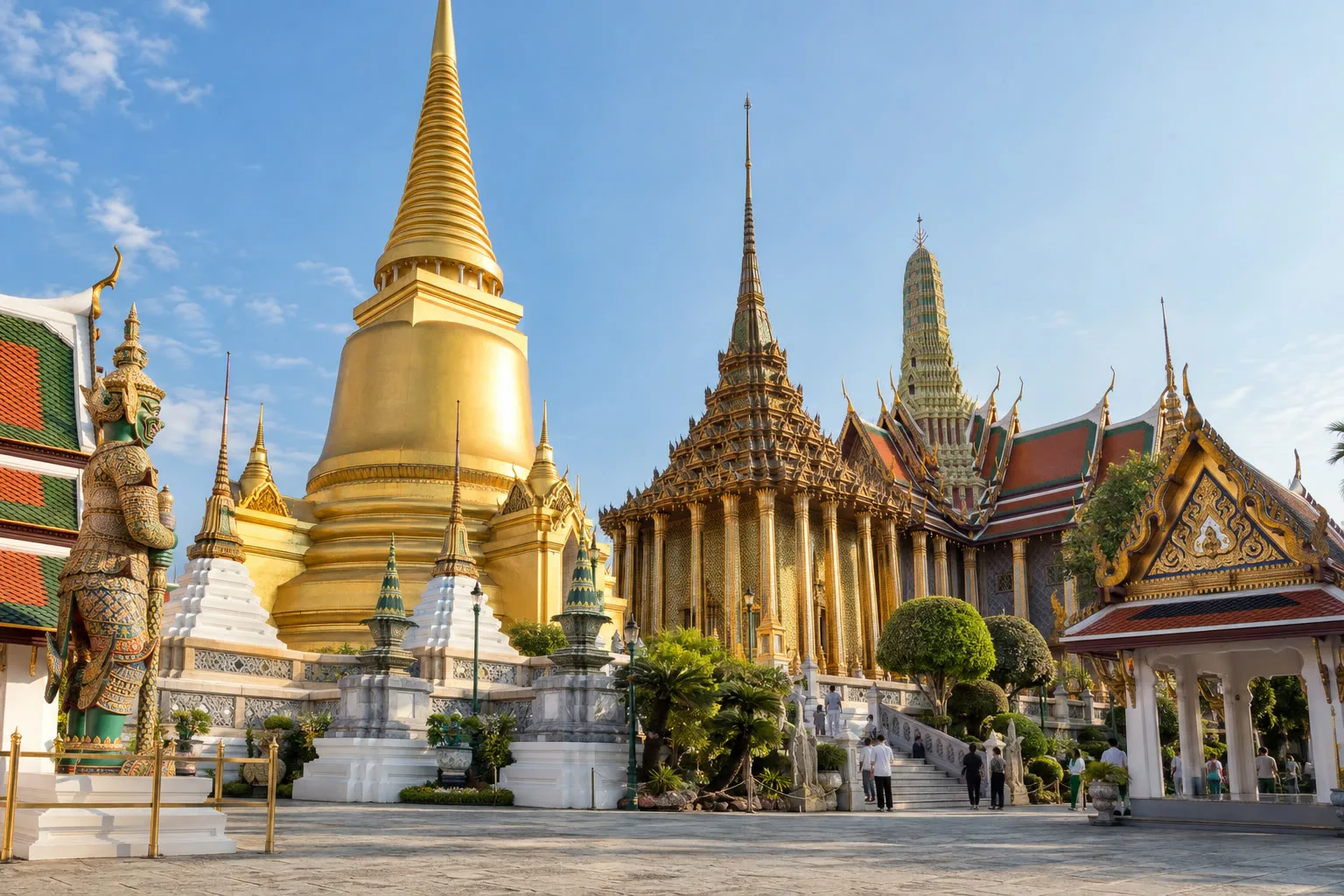
This is one of those sights that needs no special introduction. If it’s your first time in the city, it’s well worth a visit. The complex makes a huge impression with its scale, fine details and abundance of gold decoration. The Temple of the Emerald Buddha, one of Thailand’s most important religious sites, is located here.
Be prepared for crowds and heat, and try to arrive in the morning. Make sure you dress appropriately, as shoulders and knees must be covered. This place is more monumental than intimate, but it definitely belongs on any list of what to see in Bangkok.

Wat Pho is one of those places that often turns out to be more enjoyable than people expect. The huge Reclining Buddha is the main draw, of course, but the temple grounds as a whole have a wonderful atmosphere. It’s a little quieter than the palace, while still feeling grand.
It’s a good place to find a different rhythm for your sightseeing. Take in the architectural details, stroll through the courtyards without rushing and see that Bangkok isn’t all traffic and noise. For many people, this is where they begin to feel at home in the city.

Wat Arun stands across the river and offers a different experience from the temples in the city centre. The boat crossing sets the mood, and as you approach its distinctive tower, you’ll know you’re nearing one of Bangkok’s most recognisable landmarks.
It’s a very photogenic place, but there’s more to it than photos. Wat Arun has a light, elegant feel. It looks beautiful in the bright midday sun and in the late afternoon. If you’re planning a relaxed Bangkok sightseeing itinerary at a sensible pace, be sure to include it.

If someone asks what to do in Bangkok beyond visiting temples, the answer is often: head to Chinatown. It may not be beautiful in the conventional sense. It’s alive. Crowds, neon signs, stalls, scents, traffic, food, gold signs and a kind of chaos that soon feels like part of the show.
It’s best to visit in the evening or just before dark, when the whole neighbourhood really comes to life. It’s a great place for anyone who wants to understand why Bangkok stays with you. It’s also one of the best places for street food if you want to taste the city, not just see it.

Bangkok looks completely different from the river. Suddenly, the traffic disappears and the city unfolds in scenes: temples, old buildings, modern towers, bridges and everyday life along the water. You do not have to choose an elegant cruise straight away. Even a regular ferry crossing or ride on a city boat offers plenty to enjoy.
It is also a practical way to get around. Boats let you avoid some traffic jams and make it much easier to turn a Bangkok travel guide into a workable day plan. If you want to see Bangkok from several perspectives, the river should be one of them.

Almost everyone who has taken even a slight interest in Bangkok has heard of Khao San Road. Some people like it; others give it a wide berth. The truth is that it is more a place to soak up the atmosphere and people-watch than to get to know the city in depth. It is loud, crowded, very touristy and at times almost over the top.
Is it worth visiting? If it is your first time, you could stop by for an hour and decide for yourself. But there is no need to build your whole itinerary around it. Bangkok has far more interesting and authentic places. It is best treated as an extra, not the main attraction.
After their first day, many people say something like, “I don’t know if I like Bangkok, but it has definitely made an impression on me.” And that is exactly the point. Thailand’s capital does not try to make things easy. It shows itself as it is: hot, fast-paced, loud, colourful and full of contrasts.
So alongside the must-see spots, leave some room for less obvious experiences. Sit down for a local meal. Turn into a small alley near a major attraction. Visit a temple no one had mentioned before. Bangkok often makes its strongest impression in the spaces between the stops in your guidebook.
If you like cities with their own rhythm that have not been polished for tourists, Bangkok may well win you over. Maybe not straight away, but it will.

Two days in Bangkok is a very reasonable minimum. You can see the main sights, get a feel for the city and avoid turning your trip into an exhausting marathon. The key is simple: group attractions by location and do not try to squeeze in everything you found online.
Start in the morning at the Grand Palace and Wat Phra Kaew. Then walk to Wat Pho, followed by a boat crossing to Wat Arun. This route makes sense logistically and gives you a full first day without repeatedly returning to the same areas.
In the afternoon or evening, consider adding a Chao Phraya cruise or a walk around the old city. If you still have the energy, end the day with dinner in Chinatown. It is a good balance of must-sees and time to simply take in the city’s atmosphere.
You can keep the second day lighter. Leave time for a market, the more modern part of the city, a viewpoint, a rooftop or a longer walk at your own pace. Depending on how you like to travel, you can focus more on food, shopping, local streets or resting after an intense first day.
This is also a good time to see a less postcard-perfect side of Bangkok: not just the attractions, but everyday city life too. This is often when people say they have only just begun to understand what Bangkok is really like.
If you are planning to see only the main attractions, 2 days in Bangkok is usually enough. It is a good option at the start of a tour or before a flight to southern Thailand. If, however, you enjoy big cities and street food and want to explore the markets and see the city at a more relaxed pace, it is better to stay for 3 days.
The biggest challenge in Bangkok is not the number of attractions, but getting around. The city is large, traffic jams can be tiring and the heat can drain your energy faster than you expect. So it is worth planning sightseeing for the morning and late afternoon, and leaving the middle of the day for lunch, a rest or getting from place to place.
Bangkok is a year-round destination, though sightseeing is most comfortable when humidity and temperatures are a little lower. In practice, many people combine a stay in the capital with a flight further south or a tour of other regions of the country.
Bangkok combines very well with places such as Krabi, Phuket, Phi Phi and northern Thailand. It is a good starting point: it gives you a strong introduction to the country and is also very well connected.
Who will enjoy Bangkok most? People looking for more than a beach and a hotel, those who like characterful cities, are interested in culture, architecture and local food, and want to experience the real pace of Asia. If your main dream is to relax by the sea, treat Bangkok as an energetic start to your trip rather than the main destination.
If you are planning a longer trip, the capital works very well at the beginning. Start with urban energy, temples and street food, then move on to more relaxing destinations. That contrast makes the whole trip around Thailand more interesting and better balanced.
Some places look better in photos than they do in real life. Bangkok is not one of them. Photos of temples, the river and the skyline can certainly tempt you to visit, but they do not capture one thing: the scale of the experience. The way the light shifts across the temples’ golden details. The smells of a street beside a night market. The sound of the city from a boat on the river.
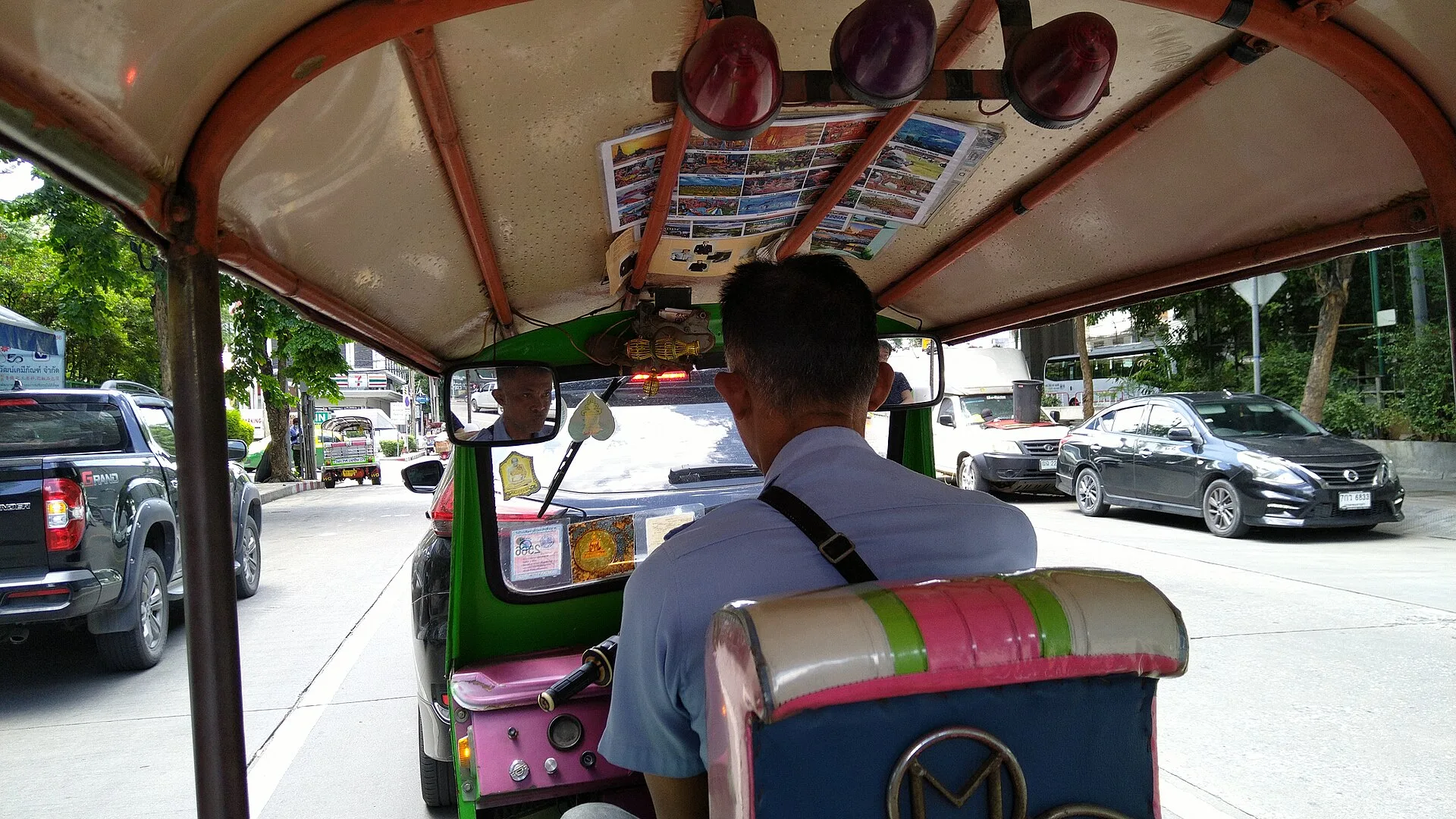
That is why it is worth leaving room for real moments from your trip. Not just postcard shots, but pictures of everyday life too: a tuk-tuk, street food, sunset over the Chao Phraya, or an ordinary street that suddenly becomes one of your strongest memories of the whole trip.

Bangkok can be fantastic, but only when your visit is well planned. On a first trip, it is easy to end up at random places, plan journeys badly or fall into the classic trap of “we want to see everything”, which leaves you exhausted. That is why on our trips we show you Bangkok in a way that lets you truly experience it, not just tick off the sights.
We combine the main attractions with practical logistics, a well-judged pace and experience from routes we have actually travelled. That way, the city does not overwhelm you. Instead, it does exactly what it should: amaze and surprise you, and provide a great start to your trip around Thailand.

For a first visit, focus on the Grand Palace, Wat Pho, Wat Arun, Chinatown and a cruise on the Chao Phraya River. This combination gives you a good feel for both the historic sights and the capital’s urban atmosphere.
Yes, two days is a reasonable minimum. It is enough to see Bangkok’s main attractions and get a feel for the city, as long as your itinerary is well planned and you avoid rushing around unnecessarily.
You could explore Chinatown, try street food, take a boat along the river, visit a night market, go up to a rooftop or simply walk through different districts and see a more everyday side of Bangkok.
We usually recommend 2 to 3 days. Two days is enough for the main sights, while three gives you more breathing room, less rushing and time to see the city beyond its main attractions.
Absolutely. It is a great place to start because it introduces you to the country’s culture, temples, cuisine and energy, and offers excellent connections to other regions of Thailand.
It is best to combine the two. Bangkok gives you an energetic introduction to Thailand, while the islands and beaches let you slow down afterwards. This kind of itinerary usually works better than spending the whole trip lying by the sea or touring cities alone.
If you are wondering what to see in Bangkok, the answer is: more than just temples and the top 10 sights. Of course, it is worth starting with the classics, such as the Grand Palace, Wat Pho and Wat Arun, but the city’s real strength also lies in everyday life: the river, street food, Chinatown, the pace of the city and all those moments between one attraction and the next.
Bangkok is not perfect, sterile or easy. Maybe that is exactly why it stays with you. With a well-planned visit, it can be one of the highlights of your whole trip around Thailand.
And if you want to see the capital in a practical, comfortable way without the stress of organising everything yourself, take a look at AsiaTrip’s itineraries. Instead of wondering what to see, where and when, you can simply immerse yourself in Bangkok and experience it for real.
We use cookies to keep the site running smoothly, measure traffic (Google Analytics), and sometimes show ads. Choose what you agree to. See our privacy policy for details.